





What's Happening?
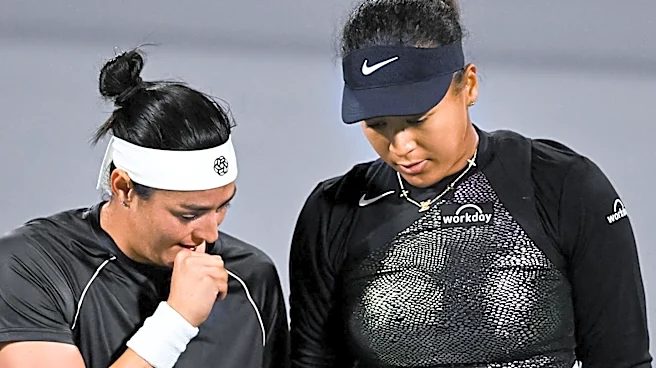
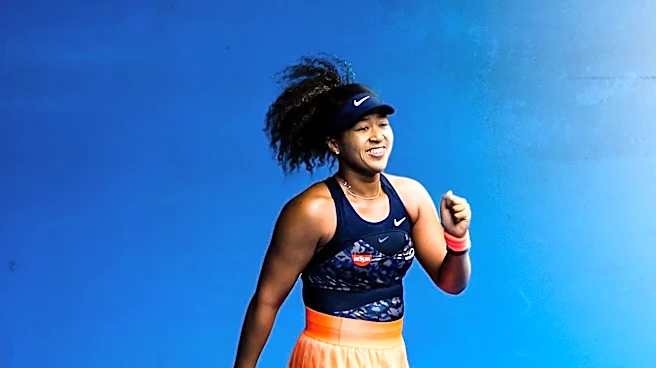
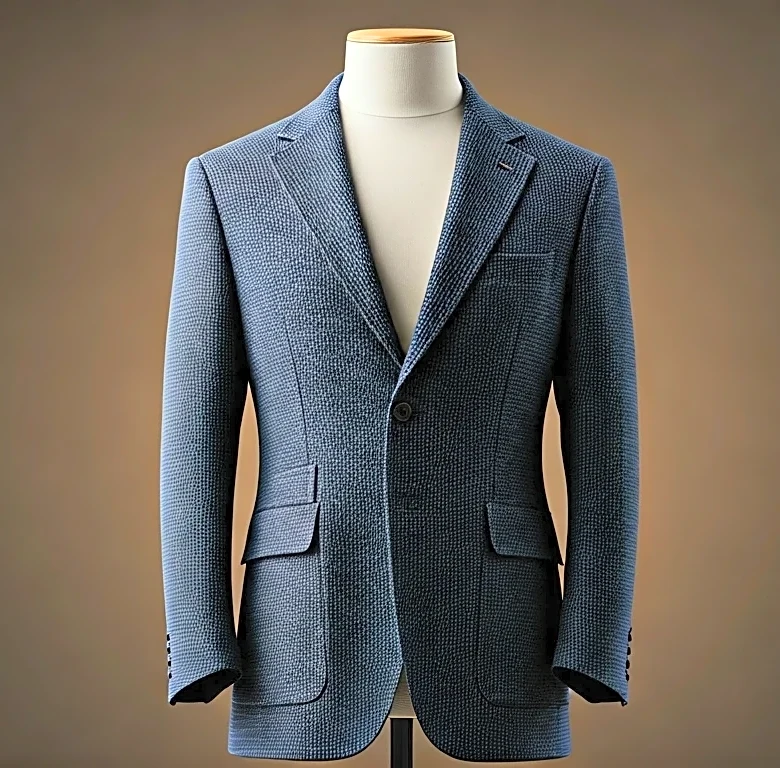
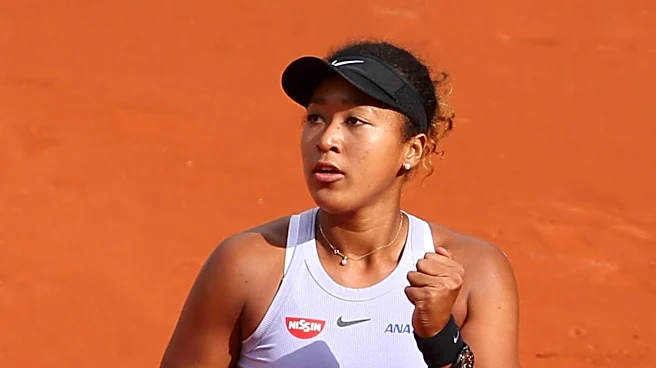
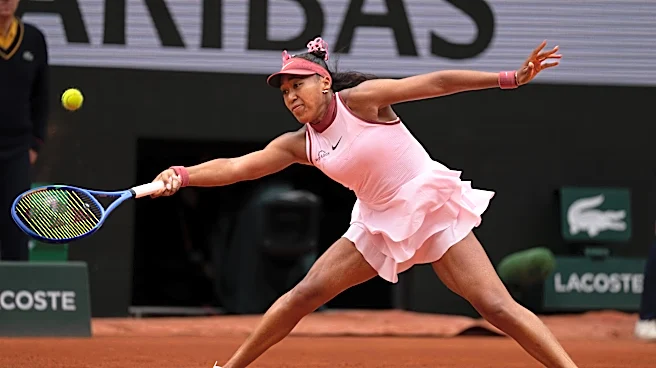
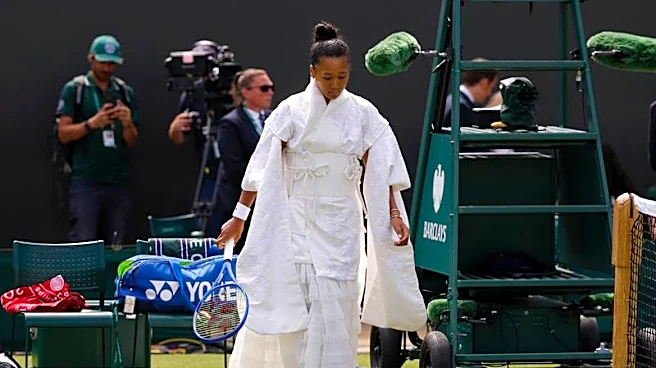
As Wimbledon commenced, Japanese tennis player Naomi Osaka made a striking entrance with a unique fashion statement. She wore an elaborate robe designed by Hana Yagi, crafted from vintage kimonos and bridal gowns, over a white Nike tennis dress. This
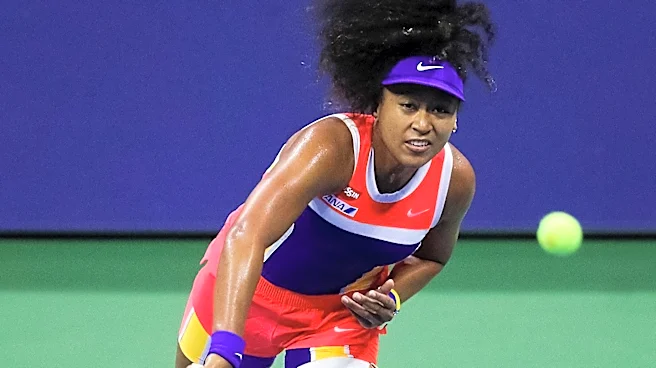
ensemble was intended to symbolize the ceremonial preparation for competition, which is then shed to reveal the game-ready attire. Osaka's fashion choices reflect a broader trend in tennis, where players have historically used their attire to express individuality. This tradition dates back to players like Suzanne Lenglen and Helen Wills, who collaborated with top designers for their on-court outfits. The sport's lack of a strict uniform allows players to showcase personal style, a practice embraced by both male and female athletes over the years.
Why It's Important?
The intersection of fashion and tennis is significant as it highlights the sport's unique position in allowing personal expression through attire. Unlike other sports with strict uniforms, tennis players can use their clothing to reflect their personalities, which can enhance their marketability and fan engagement. This trend also underscores the evolving relationship between sports and fashion industries, where athletes become style icons and influence fashion trends. The involvement of high-profile designers in creating tennis attire further elevates the sport's cultural relevance and broadens its appeal beyond traditional sports audiences.
What's Next?
As designers continue to push the boundaries of tennis fashion, the sport may see even more innovative and aesthetically striking attire. This could lead to increased media attention and fashion commentary akin to that of major award shows. The collaboration between athletes and designers is likely to deepen, with a focus on creating pieces that are both functional for athletic performance and visually impactful. This trend may also inspire other sports to explore similar partnerships, potentially reshaping the landscape of sports fashion.
Beyond the Headlines
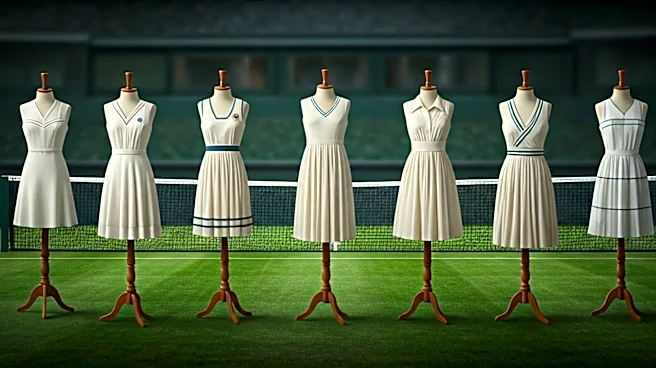
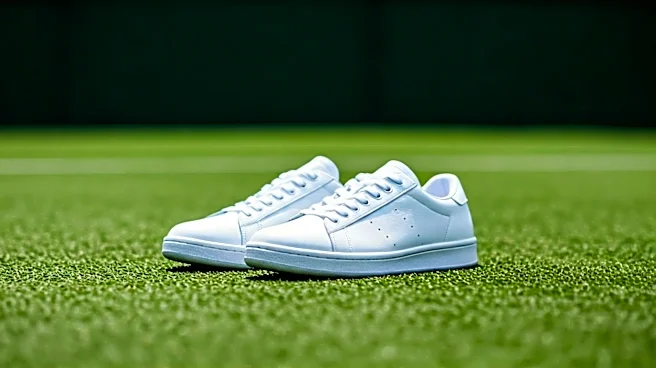
The growing emphasis on fashion in tennis raises questions about the balance between style and tradition. While the sport's dress codes, such as Wimbledon's all-white mandate, present challenges, they also offer opportunities for creative expression within constraints. This dynamic encourages designers to innovate and athletes to embrace their roles as cultural influencers. Additionally, the involvement of influential figures like Anna Wintour in promoting tennis fashion highlights the sport's potential to transcend its athletic roots and become a significant cultural force.