
What's Happening?
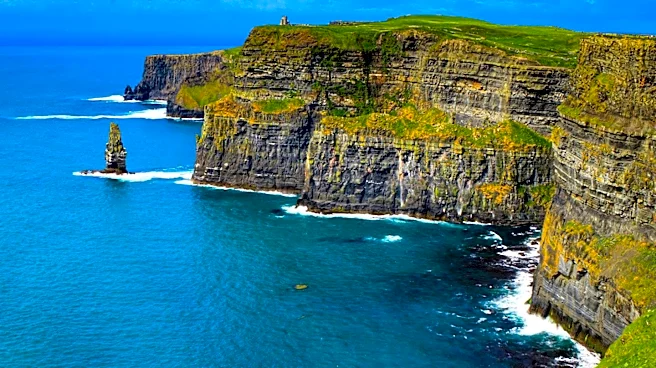
Paddywagon, an independent tourist coach operator, has been fined €5,700 by Ennis District Court for operating an unauthorized coach service to the Cliffs of Moher, Ireland's most popular natural tourist attraction.
Judge Adrian Harris imposed a fine of €3,000 and costs of €2,700 on Paddywagon Ltd for the offense, which occurred on April 15 of this year. This marks the second time in 12 months that Paddywagon has been convicted for the exact same offense on the same route. The National Transport Authority (NTA) detected the unlicensed service after two authorized officers, posing as tourists, booked tickets online through Paddywagon's 'Elegant Irish Tours' website and boarded the coach in Dublin. The NTA's solicitor, George Maguire, highlighted several aggravating factors, including the previous conviction, the continued online advertising of the unauthorized service even 24 hours before the court hearing, and the issuance of 15 warning letters to Paddywagon regarding the service's continuation. Paddywagon's solicitor, John Casey, admitted the offense, stating that the company has an application for the service with the NTA, but it has not yet been approved.
Why It's Important?
This case underscores the importance of regulatory compliance within the tourism and transportation sectors, particularly for popular attractions like the Cliffs of Moher, which attracted 1.5 million visitors last year. The repeated violation by Paddywagon highlights a challenge faced by regulatory bodies in enforcing licensing requirements and ensuring fair competition. Unlicensed operations can pose risks to passenger safety, undermine the integrity of the regulated market, and potentially impact the revenue of authorized operators. For the NTA, the successful prosecution, despite the repeated nature of the offense, demonstrates a commitment to upholding public transport regulations. The financial penalty and costs imposed serve as a deterrent, signaling that regulatory breaches will not be tolerated. This situation also brings to light the complexities of obtaining and maintaining operational licenses in a highly regulated industry, even for established companies with significant profits, as Paddywagon reported post-tax profits of €771,519 in its most recent accounts.
What's Next?
Paddywagon will be required to pay the imposed fines and costs. The NTA will likely continue to monitor Paddywagon's operations closely, especially concerning the Cliffs of Moher route, to ensure future compliance. Given the history of repeated offenses, the NTA may consider more stringent measures if further unauthorized services are detected. Paddywagon's pending license application with the NTA will be a critical factor in its future operations for this route. The outcome of this application will determine whether the company can legally operate the service or if it will face continued enforcement actions. This case may also prompt other tour operators to review their compliance procedures to avoid similar penalties. The broader tourism industry in Ireland will likely observe how regulatory bodies continue to manage and enforce licensing for popular tourist destinations.
Beyond the Headlines
This incident reflects a broader tension between established regulatory frameworks and the operational practices of some businesses in competitive markets. The fact that Paddywagon, a company with substantial profits, repeatedly engaged in unauthorized operations suggests a calculated risk-taking approach, potentially driven by market demand or perceived bureaucratic hurdles in the licensing process. This raises questions about the effectiveness of current deterrents and the speed of regulatory approvals. Furthermore, the use of 'mystery shoppers' by the NTA highlights the proactive measures regulatory bodies must employ to detect non-compliance. The case also subtly touches upon the economic impact of tourism on local economies and the need for regulated services to ensure sustainable growth and visitor safety. The ongoing challenge for regulators is to balance strict enforcement with fostering a dynamic and accessible tourism industry.