






What's Happening?
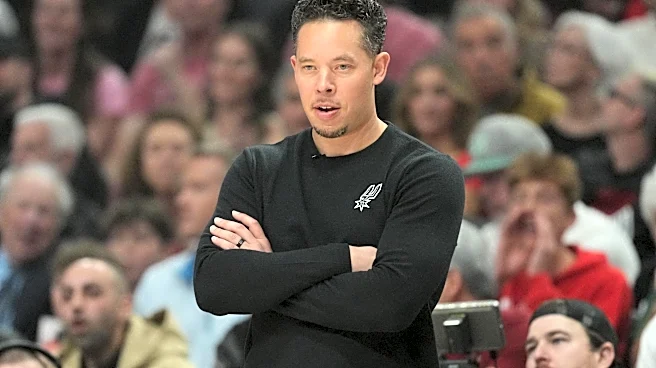
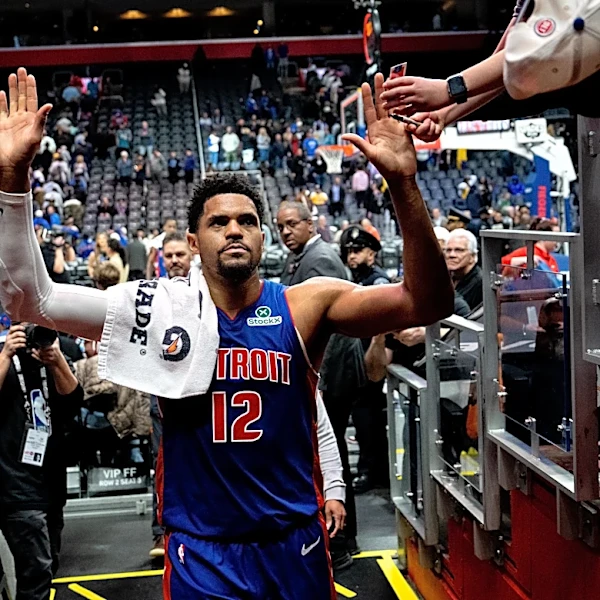
San Antonio Spurs coach Mitch Johnson addressed the team's cautious approach to player injury recoveries, specifically for offseason acquisitions Tobias Harris and Jayden Quaintance. Harris is recovering from a calf strain sustained during training camp,
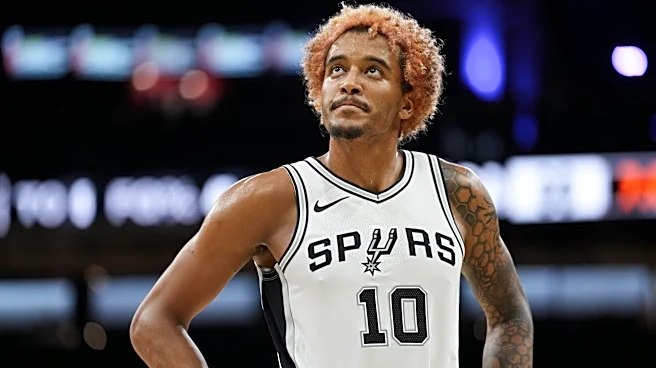
while rookie Quaintance is rehabilitating a torn meniscus and ACL. Neither player has a definitive return timetable, as the Spurs prioritize long-term health, especially given a recent surge in injuries across the NBA. Johnson noted that many prominent players in the league have been sidelined, leading to discussions about potential causes, including changes in the style of play and preseason schedules. He emphasized the "constant, delicate balance" of healing, conditioning, and adapting to the team's high-speed playing style, particularly for Harris, who has not played since the spring. The team is taking a methodical approach to ensure both players are fully prepared before returning to play.
Why It's Important?
The San Antonio Spurs' deliberate strategy regarding player injuries, as articulated by coach Mitch Johnson, underscores a critical issue facing professional sports: player welfare versus competitive pressure. This cautious approach, particularly with high-value acquisitions like Tobias Harris and Jayden Quaintance, highlights a growing recognition of the long-term implications of rushing recoveries. The league-wide trend of increased injuries, which Johnson acknowledged, could prompt broader discussions and policy changes within the NBA regarding scheduling, training protocols, and player load management. This could impact team rosters, game strategies, and even the financial investments in player contracts, as teams weigh the risks of injury against the desire for immediate success. Ultimately, prioritizing player health could lead to more sustainable careers for athletes and a higher quality of play over the long run, benefiting both players and the league.
What's Next?
The San Antonio Spurs will continue their methodical approach to the recoveries of Tobias Harris and Jayden Quaintance, with no immediate timetable for their return. Coach Mitch Johnson's comments suggest ongoing evaluations of their healing, conditioning, and readiness to integrate into the team's high-intensity playing style. The team's focus will remain on ensuring both players are 100% healthy to prevent further complications, especially given the tricky nature of calf strains and the severity of Quaintance's knee injury. This patient strategy indicates that the Spurs are prepared to utilize their roster depth in the interim, as Johnson mentioned feeling confident in their "one through 15 and 17 if you include the Two Ways." The broader conversation about player injuries in the NBA is likely to continue, potentially influencing future league-wide policies on player management and scheduling.
Beyond the Headlines
The Spurs' injury management philosophy, as detailed by coach Mitch Johnson, reflects a deeper ethical consideration within professional sports: the responsibility of organizations to protect their athletes' long-term well-being. In an era where athletic careers are often shortened by injuries and the demands on players are increasingly intense, the decision to prioritize a player's full recovery over immediate competitive gains sets a significant precedent. This approach challenges the traditional 'play through pain' mentality and could contribute to a cultural shift in sports, where athlete health is viewed not just as a medical issue but as a fundamental human right and a strategic investment. Such a shift could lead to more comprehensive player support systems, advanced injury prevention research, and a re-evaluation of the physical toll professional sports exacts on its participants, ultimately fostering a more humane and sustainable athletic environment.