







What's Happening?
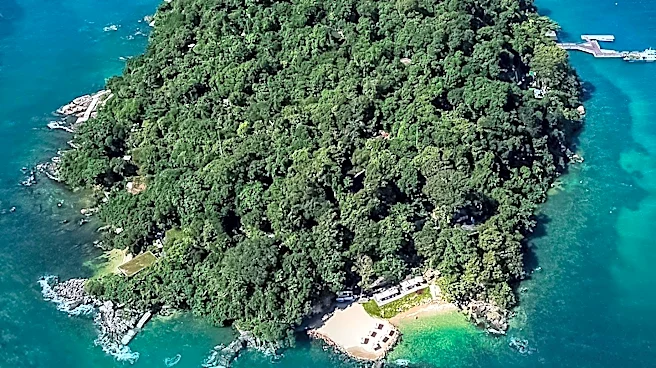
Several barrier islands in the United States, including Sanibel and Captiva in Florida, Kiawah in South Carolina, and Assateague straddling Maryland and Virginia, provide scenic coastal retreats accessible by car. These islands are connected to the mainland
by bridges, eliminating the need for ferry rides. Each island boasts unique geographical features and attractions. Sanibel Island is renowned for its seashells and conservation areas, while Assateague is famous for its wild ponies. Captiva offers a slower pace of life with beautiful waters, and Kiawah is known for its luxury resorts and natural beauty. These islands offer a mix of wildlife, outdoor activities, and local seafood, making them attractive destinations for family getaways and nature enthusiasts.
Why It's Important?
The accessibility of these barrier islands by car makes them appealing destinations for domestic tourism, especially for families and individuals seeking convenient and scenic getaways. The unique ecosystems and conservation efforts on these islands highlight the importance of preserving natural habitats while promoting tourism. The economic impact on local communities is significant, as tourism supports local businesses, including restaurants, accommodations, and recreational services. Additionally, the islands' focus on conservation and sustainable tourism practices can serve as a model for other coastal regions looking to balance economic development with environmental preservation.
What's Next?
As these barrier islands continue to attract visitors, there may be increased efforts to enhance infrastructure and services to accommodate growing tourism while maintaining environmental sustainability. Local governments and businesses might collaborate on initiatives to promote eco-friendly tourism practices and protect the islands' natural resources. Additionally, there could be discussions on managing visitor numbers to prevent over-tourism and ensure the preservation of the islands' unique ecosystems. The success of these islands in balancing tourism and conservation could influence policies and practices in other coastal areas.
Beyond the Headlines
The development and promotion of these barrier islands as tourist destinations raise important questions about the long-term impact of tourism on fragile ecosystems. The islands' reliance on tourism for economic growth must be balanced with efforts to protect wildlife and natural habitats. This situation underscores the broader challenge of sustainable tourism, where economic benefits must be weighed against environmental costs. The islands' experiences could contribute to broader discussions on how to achieve sustainable tourism in coastal regions worldwide.