
What's Happening?
5-Hour Energy, a popular dietary supplement brand, is expanding into the mocktail market by introducing a series of original drink creations. This strategic move aims to offer consumers a non-alcoholic alternative that provides an energy boost without
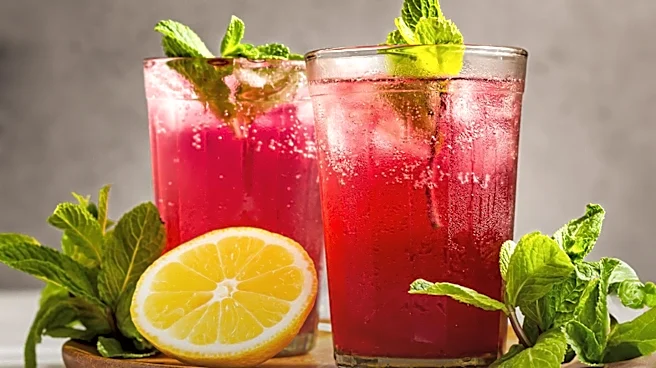
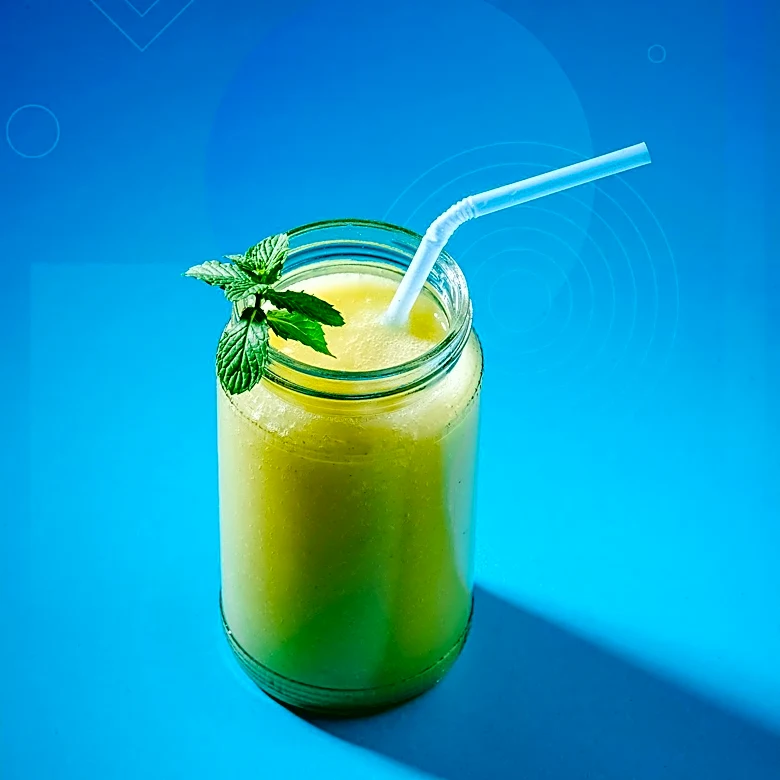
the effects of alcohol. The brand has partnered with former Las Vegas bartender Jason Puckly, known as The Sin City Bartender, to develop these mocktail recipes. Puckly, who launched Sin City Mocktails in 2024, focuses on creating non-alcoholic versions of popular drinks and debunking myths about flavors and ingredients. The new mocktail recipes incorporate various 5-Hour Energy flavors, such as 'Berry Blast' and 'Frozen Champ,' which utilize flavors like 'Firework Freeze' and 'Raspberry Cooler.' These beverages are designed to deliver 230 mg of caffeine, comparable to a Starbucks tall coffee, along with B-vitamins and essential nutrients, all while being sugar-free and calorie-free. This initiative positions 5-Hour Energy not just as a product for alertness but also as a social tonic.
Why It's Important?
This entry by 5-Hour Energy into the mocktail market signifies a notable shift in the beverage industry, driven by increasing consumer health consciousness and wellness-focused lifestyle trends. The global mocktail market is projected to reach an estimated value of $16 billion by 2026, indicating a growing preference among consumers for non-alcoholic options. This trend, often referred to as 'sober curious,' impacts both at-home consumption and bar offerings. For the U.S. beverage industry, this means a potential expansion of product lines and marketing strategies to cater to this evolving demographic. Companies that traditionally focused on alcoholic beverages or energy supplements are now recognizing the demand for healthier, non-intoxicating alternatives. This shift could lead to increased innovation in flavor profiles and functional ingredients in the non-alcoholic sector, creating new revenue streams and market segments. It also highlights a broader societal move towards moderation and mindful consumption, influencing product development and consumer choices across various industries.
What's Next?
Following 5-Hour Energy's entry, other energy drink brands and traditional beverage companies may explore similar ventures into the mocktail or non-alcoholic drink space. The brand's website, 5HourEnergy.com, will feature the latest mocktail recipes, potentially encouraging consumer engagement and recipe experimentation. The success of this initiative could prompt further partnerships between energy drink manufacturers and mixologists to develop more sophisticated and appealing non-alcoholic options. Additionally, the growing 'sober curious' movement is likely to continue influencing product development across the food and beverage industry, leading to a wider array of low-alcohol and no-alcohol products. Retailers and hospitality venues may also adapt their offerings to include more diverse and creative mocktail selections to meet consumer demand. This trend could also spur increased research and development into functional ingredients that provide energy or other benefits without relying on high sugar content or artificial additives.
Beyond the Headlines
The rise of the mocktail market and 5-Hour Energy's participation in it reflects a deeper cultural shift towards wellness and mindful consumption, particularly among younger generations. This movement challenges traditional social norms surrounding alcohol consumption and highlights a growing desire for healthier lifestyle choices. The emphasis on zero sugar, zero calories, and added vitamins in these energy-based mocktails aligns with a broader consumer demand for functional beverages that offer health benefits beyond simple hydration. This trend could also have long-term implications for public health, potentially contributing to a reduction in alcohol-related issues as non-alcoholic alternatives become more socially acceptable and widely available. Furthermore, it underscores the importance of adaptability for established brands in responding to changing consumer preferences and societal values, pushing them to innovate beyond their core product offerings to remain relevant in an evolving market landscape.