





What's Happening?
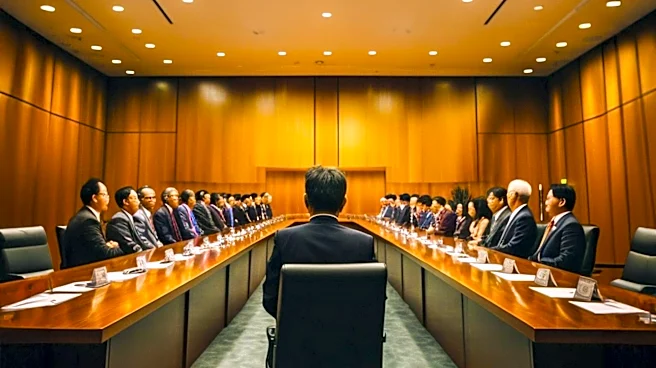
Multi-stakeholder groups (MSGs) within the Extractive Industries Transparency Initiative (EITI) are encountering significant challenges in their governance and inclusivity, despite the expansion of the EITI Standard to cover broader issues like anti-corruption
and the energy transition. A 2025 stocktake by the International Secretariat, based on consultations and a survey of over 200 MSG members, identified several areas for improvement. Key issues include unclear selection processes, frequent membership changes, and limited consultation with broader constituencies, particularly for civil society. Women constitute only 28% of MSG members, and local communities often lack direct representation. Governance and decision-making are hampered by outdated terms of reference, unclear procedures, and potential conflicts of interest. Additionally, capacity and resource constraints limit members' ability to oversee complex disclosures and drive reforms, with national secretariats often under-resourced. Sustained engagement from government, industry, and civil society remains uneven, with civil society frequently facing capacity limitations and restrictions on civic space. New guidance has been published to help MSGs assess their effectiveness and strengthen their oversight role.
Why It's Important?
The effectiveness of EITI's multi-stakeholder groups is critical for promoting transparency and good governance in the extractive industries, which has significant implications for global resource management and economic stability. For the U.S., which has a vested interest in global economic stability and responsible resource extraction, these challenges highlight potential risks in supply chains and international investment environments. Weak governance in extractive sectors can lead to corruption, instability, and environmental degradation, impacting global markets and potentially creating geopolitical tensions. The lack of inclusivity, particularly for women and local communities, undermines the legitimacy and effectiveness of these groups, potentially leading to decisions that do not fully represent the interests of affected populations. Strengthening MSGs through improved governance and inclusivity can foster more equitable resource distribution and sustainable development, aligning with U.S. foreign policy objectives of promoting good governance and combating corruption worldwide.
What's Next?
The EITI has issued new guidance to support MSGs in assessing their effectiveness and identifying areas for improvement. This guidance provides a practical framework for countries to conduct MSG health checks and develop measures to strengthen and sustain their effectiveness. The approach encourages reviews between scheduled Validations or as needed, aligning with national implementation cycles. The goal is for MSGs to move beyond traditional reporting functions by making better use of data, following up on recommendations, and promoting policy dialogue to identify governance risks and advance reforms. Realizing this potential will require continued investment in members' capacity, effective national secretariats, and meaningful participation from all constituencies. The reflections from the 2026 EITI Global Conference in Brussels will also inform future strategies for strengthening the multi-stakeholder model.
Beyond the Headlines
The challenges faced by EITI's multi-stakeholder groups extend beyond operational inefficiencies to touch upon fundamental ethical and social justice issues. The underrepresentation of women and local communities in decision-making bodies perpetuates systemic inequalities and can lead to policies that do not adequately address the needs of vulnerable populations. Ethically, transparency initiatives like EITI are predicated on the principle of accountability, which is undermined when governance structures are weak or non-inclusive. Legally, the effectiveness of these groups can influence the enforcement of environmental regulations and human rights standards in extractive operations. Culturally, meaningful participation from diverse stakeholders can foster trust and legitimacy, which are essential for long-term social license to operate. The long-term implications of these issues include potential for increased social unrest, environmental damage, and a perpetuation of resource curses in countries heavily reliant on extractive industries, underscoring the need for robust and inclusive governance mechanisms.