


What's Happening?
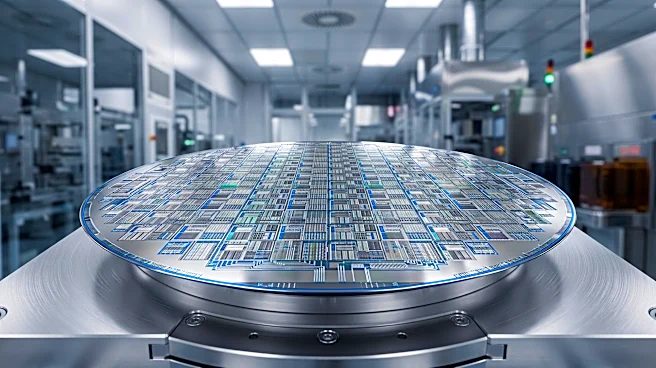
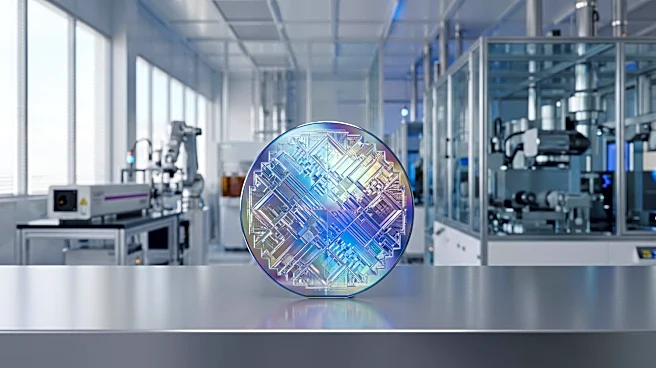
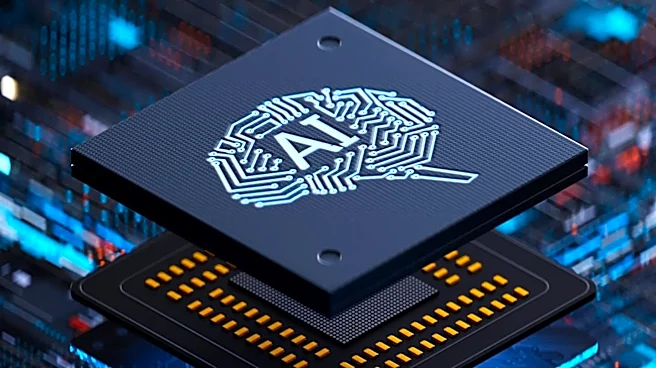
The artificial intelligence (AI) chip boom is causing a significant redirection of semiconductor supply towards data centers, consequently constraining other end markets such as smartphones and PCs, according to Siltronic CEO Michael Heckmeier. Siltronic,
a manufacturer of silicon wafers used in semiconductors, recently raised its annual sales forecast for the second time this year, citing robust demand for its wafers. Heckmeier noted that AI-linked demand has become the primary growth engine for the chip industry. He explained that semiconductor manufacturers are prioritizing AI-related applications due to the higher profitability offered by AI players, particularly hyperscalers, who possess the deepest pockets. This trend means that while AI servers are driving industry growth, other semiconductor end markets could experience faster growth if more chips were available. Heckmeier also highlighted that AI server farms consume approximately three to four times more silicon area than traditional servers, further boosting demand for advanced wafers.
Why It's Important?
This redirection of semiconductor supply has significant implications for various U.S. industries and consumers. Companies reliant on chips for products like smartphones, personal computers, and other consumer electronics may face continued supply shortages, potentially leading to higher costs, delayed product releases, and reduced availability. This situation could impact the competitiveness of U.S. tech companies in non-AI sectors, as they struggle to secure necessary components. Conversely, the robust demand from AI players, particularly hyperscalers, signifies a massive investment wave in AI infrastructure, which benefits companies like Siltronic that supply foundational materials. This dynamic underscores the growing economic power of the AI sector and its ability to reshape global supply chains. The increased silicon consumption by AI servers also points to a sustained demand for advanced manufacturing capabilities and materials, driving innovation and investment in the semiconductor industry's core infrastructure.
What's Next?
Siltronic CEO Michael Heckmeier indicated that any moderation in AI demand would not necessarily derail the industry's overall growth. He suggested that if AI demand were to slow, capacity could flow back to other markets like smartphones and PCs, where underlying demand remains solid. However, Heckmeier currently sees no signs of an AI demand slowdown. This implies that the current trend of AI-driven supply redirection is likely to continue in the near term. Semiconductor manufacturers will continue to prioritize the most profitable segments, which are currently AI applications. This ongoing prioritization will likely necessitate strategic adjustments for companies in non-AI sectors to secure their chip supplies, potentially through long-term contracts or diversified sourcing. The sustained high demand for advanced wafers will also continue to drive investment in semiconductor manufacturing capacity and technological advancements.
Beyond the Headlines
The phenomenon described by Siltronic's CEO reveals a deeper economic and technological shift: the increasing commoditization of certain chip types versus the premium placed on advanced AI-specific semiconductors. This creates a two-tiered market where the most cutting-edge technology commands significant resources, potentially leaving less advanced but still essential sectors with constrained supply. This could lead to a strategic re-evaluation by governments and industries regarding domestic chip production and supply chain resilience, especially for critical non-AI applications. Furthermore, the substantial silicon consumption by AI server farms highlights the environmental footprint of AI development, raising questions about energy consumption and resource allocation in the long term. The 'deep pockets' of hyperscalers also suggest a concentration of power and influence within the AI ecosystem, potentially shaping future technological directions and market dynamics.