

What's Happening?
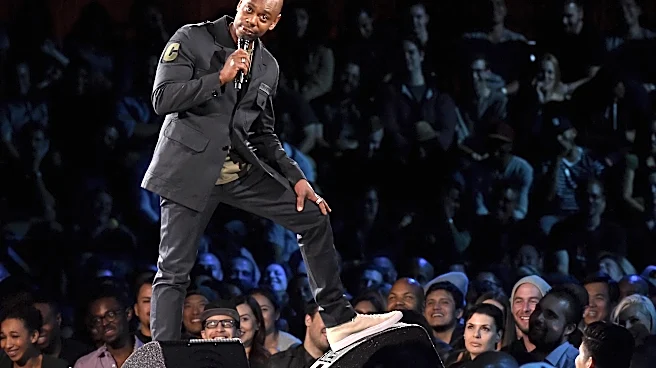
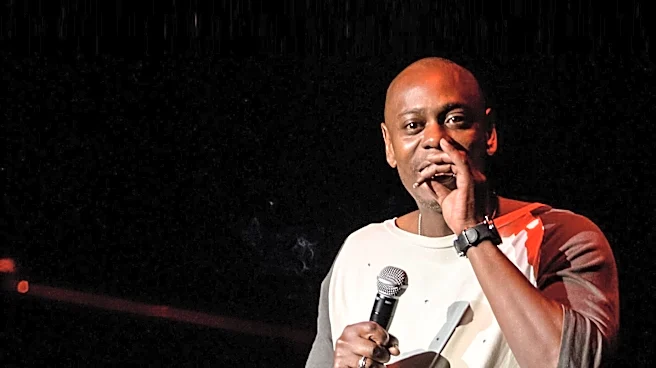
Comedian Dave Chappelle has responded to criticism regarding a joke made about Charlie Kirk during his Madison Square Garden performances on November 6 and 7. Chappelle attributes the furor to a leaked clip from his phone-free show, arguing that posting
part of a performance without permission and judging it without full context is a threat to free speech. He did not elaborate on what preceded or followed the joke, only stating he was glad the interviewer cared about context and referring to the recording as stolen. The joke in question involved Chappelle shifting from discussing public speaking risks to a punchline about his feelings after Kirk's death, and another clip featured a similar line about Kirk looking up from the afterlife. Charlie Kirk's widow, Erika Kirk, has publicly condemned jokes about political assassination. This is not the first time Chappelle has referenced Kirk's killing in his act, having done so in a December 2025 Netflix special and at the Riyadh Comedy Festival earlier that year. Kirk was shot and killed on September 10, 2025, at Utah Valley University, with Tyler Robinson charged with aggravated murder.
Why It's Important?
This incident highlights ongoing tensions surrounding free speech, artistic expression, and audience expectations in comedy. Chappelle's stance on the leaked clip underscores a broader debate about the unauthorized dissemination of performance content and the potential for decontextualization to fuel public outrage. The comedian's emphasis on context suggests a challenge to how public figures' statements are consumed and judged in the digital age, where snippets can quickly go viral without the full narrative. The condemnation from Kirk's widow also brings to the forefront the ethical considerations comedians face when incorporating sensitive real-world events into their material, particularly those involving violence or death. This situation could influence how venues enforce phone-free policies and how artists manage their public image in an era of instant sharing and scrutiny, potentially leading to more stringent measures to protect the integrity of live performances.
What's Next?
The legal proceedings against Tyler Robinson for the murder of Charlie Kirk are set to continue, with jury selection scheduled for June 21, 2028, and a trial expected to last 105 days. For Dave Chappelle, the immediate aftermath may involve continued public discussion and scrutiny of his comedic style and his views on free speech. It is possible that this incident could influence future policies regarding audience recording at live comedy events, with venues potentially increasing security measures to prevent unauthorized recordings. Comedians might also become more vocal about the impact of decontextualized clips on their work and public perception. The broader conversation around the boundaries of comedy and the responsibility of performers when addressing sensitive topics is likely to persist, potentially shaping future comedic content and audience reception.
Beyond the Headlines
The controversy surrounding Dave Chappelle's joke and the leaked clip delves into deeper societal questions about the nature of humor, grief, and public discourse. The incident underscores the evolving landscape of free speech in an era where content can be instantly shared and interpreted by a global audience, often without the original context. It also touches upon the ethical dilemma faced by artists who use real-world tragedies as material, prompting reflection on the line between satire and insensitivity. The debate over whether a joke is 'stolen' when recorded without permission and shared online raises questions about intellectual property in live performance and the control artists have over their work. This event could contribute to a broader cultural shift in how audiences engage with live entertainment, potentially leading to a re-evaluation of the 'phone-free' concert experience and the expectations of privacy for performers.