




What's Happening?
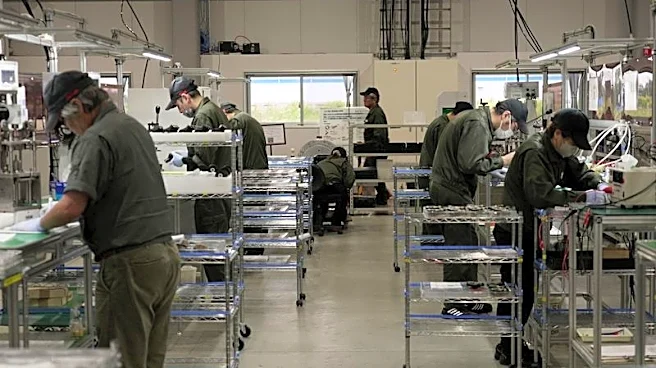
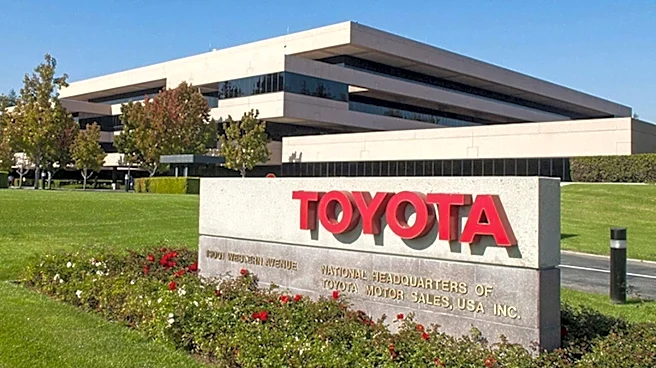
Toyota Motor Corporation, a global automotive manufacturer headquartered in Toyota City, Japan, is making a significant investment in factory automation and robotics. Starting in 2028, the company will commit $6.4 billion annually to modernize its manufacturing
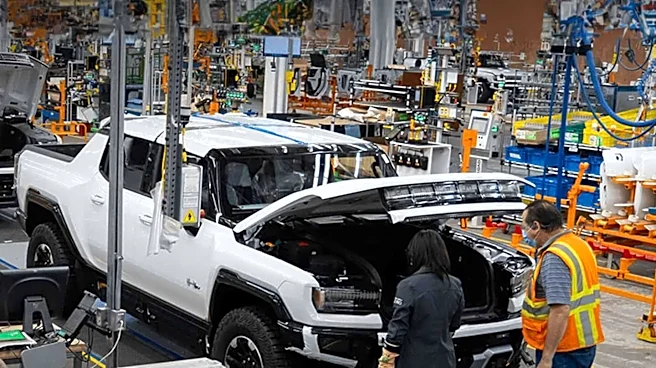
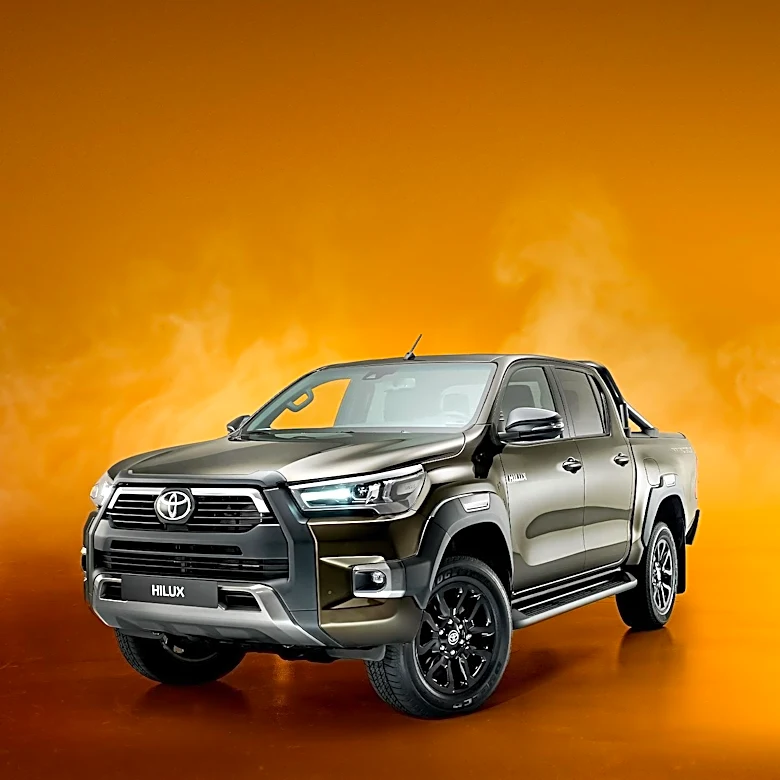
infrastructure. This substantial investment is aimed at integrating advanced robotics and automation systems into its production lines. A key aspect of this initiative is the transition of these production lines from manufacturing internal combustion engines to flexible platforms designed for electric vehicle (EV) production. This move represents one of the largest sustained investments in manufacturing technology within the automotive industry, signaling a strategic shift towards future-oriented vehicle production methods. Toyota's key products in this area include factory automation systems, manufacturing robotics, EV production lines, automated assembly systems, and industrial robots.
Why It's Important?
This massive annual investment by Toyota Motor Corporation underscores a critical shift in the global automotive industry towards electrification and advanced manufacturing. By dedicating $6.4 billion annually to factory automation and robotics, Toyota is positioning itself to be a leader in efficient and scalable EV production. This move will likely intensify competition among automotive manufacturers, potentially prompting other companies to increase their investments in similar technologies to keep pace. For the U.S. automotive market, this could mean an influx of more affordably produced and technologically advanced electric vehicles from Toyota, impacting domestic manufacturers and their supply chains. The focus on automation and robotics also has implications for the labor market, potentially leading to increased demand for skilled workers in robotics and automation engineering, while possibly reducing the need for certain manual labor roles in manufacturing.
What's Next?
Starting in 2028, Toyota's annual $6.4 billion investment will begin to reshape its manufacturing capabilities, with a clear focus on electric vehicle production. This sustained commitment suggests a long-term strategy to dominate the EV market through advanced production efficiency. We can anticipate a gradual rollout of new, highly automated EV production lines across Toyota's global facilities, including those that serve the U.S. market. This will likely lead to an increase in the availability and variety of Toyota's electric vehicle offerings. Competitors will be closely watching Toyota's progress, and their responses could include similar investments in automation or strategic partnerships to enhance their own EV manufacturing capabilities. The automotive supply chain will also need to adapt to support these highly automated and EV-centric production processes.
Beyond the Headlines
Toyota's substantial investment in automation and robotics for EV production extends beyond mere manufacturing efficiency; it reflects a broader industry-wide re-evaluation of sustainable and future-proof production models. This strategic pivot highlights the increasing importance of technological self-sufficiency and innovation in an era of rapid technological change and environmental concerns. The ethical implications of increased automation, particularly concerning workforce displacement and the need for reskilling initiatives, will become more prominent. Furthermore, this investment could set new benchmarks for manufacturing quality and speed in the automotive sector, potentially influencing standards across other heavy industries. The long-term impact could be a more resilient and adaptable manufacturing ecosystem, less reliant on traditional labor models and more focused on high-tech solutions for complex production challenges.