








What's Happening?
Over the past decade, the Washington Technology Top 100 list has seen significant changes, with 42 companies from the 2016 rankings no longer present. This shift is largely due to mergers and acquisitions, which have reshaped the federal market landscape.
Notable examples include the acquisition of CSRA by General Dynamics and the merger of Harris and L-3 Communications to form L3Harris Technologies. Other companies like PAE and Engility were acquired by Amentum and Science Applications International Corp, respectively. Additionally, companies such as Vencore, Alion, and DynCorp have disappeared from the list due to similar activities. The changes reflect a dynamic market where new technologies and missions drive the emergence of new companies, while others fall off the rankings due to shifts in government priorities and market demands.
Why It's Important?
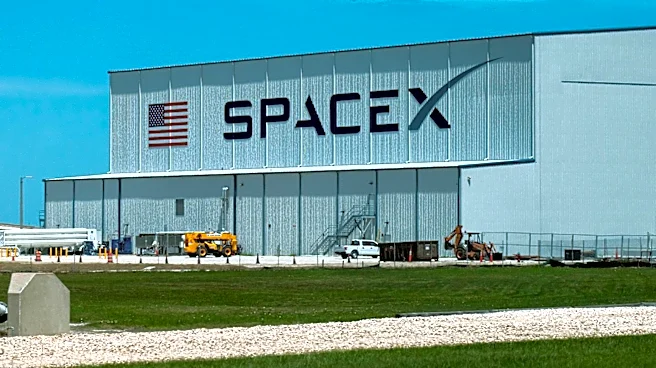
The transformation of the Washington Technology Top 100 list highlights the evolving nature of the federal market, driven by strategic mergers and acquisitions. This trend underscores the importance of adaptability and innovation in maintaining a competitive edge. Companies that successfully navigate these changes can capitalize on new opportunities, while those unable to adapt may face challenges. The consolidation of companies can lead to increased market power and influence, potentially affecting competition and pricing. Additionally, the emergence of new players like SpaceX and Blue Origin signifies the growing importance of technology and innovation in the federal sector, which could lead to shifts in government contracting and policy priorities.
What's Next?
As the federal market continues to evolve, further mergers and acquisitions are likely, potentially leading to more changes in the Top 100 rankings. Companies will need to remain agile and innovative to stay competitive. The focus on new technologies and missions may drive further investment in areas such as space exploration and cybersecurity. Stakeholders, including government agencies and contractors, will need to adapt to these changes to effectively meet evolving demands and priorities. The ongoing transformation of the market suggests that the next decade could be as dynamic as the last, with new challenges and opportunities emerging for companies in the federal sector.