





What's Happening?
The clean energy transition is driving an unprecedented demand for critical minerals such as graphite, lithium, and cobalt, with projections indicating a nearly 500% increase in production by 2050. This surge is necessary to meet the requirements for technologies
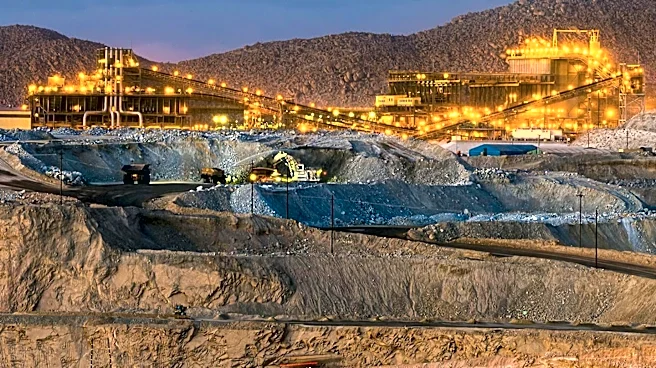
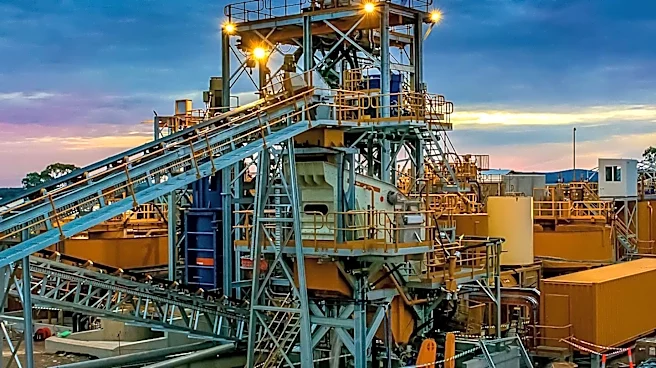
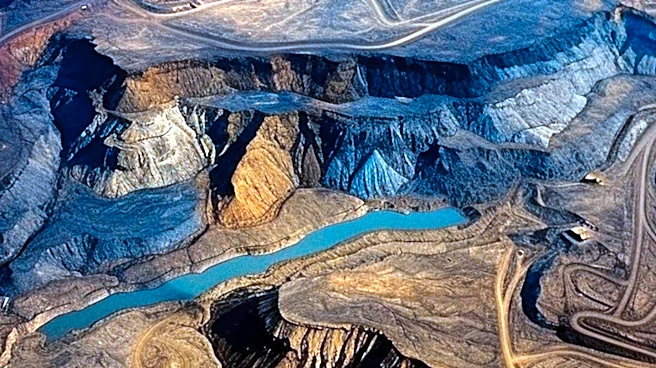
like solar panels, wind turbines, and electric vehicle batteries. However, traditional mining practices have historically led to significant environmental damage and social harm, including habitat destruction, water contamination, and unsafe working conditions. The industry is now facing a paradox: the need for these minerals for a sustainable future clashes with the unsustainable methods of their extraction. The solution being pursued involves transforming mining through sustainable practices, integrating renewable energy, adopting circular economy principles, and implementing robust governance to balance demand with environmental and community protection. Innovations like in-situ leaching, bio-mining, and precision drilling are being developed to minimize environmental impact, while advanced thermal processing technologies are crucial for efficient and environmentally compliant mineral processing.
Why It's Important?
The shift towards sustainable mineral extraction is vital for the United States and global economies as it directly impacts the feasibility and ethical implications of the clean energy transition. Failure to adopt sustainable practices could lead to severe environmental degradation, social unrest in mining communities, and disruptions in critical mineral supply chains, which are essential for national security and economic stability. Industries reliant on clean energy technologies, such as automotive, electronics, and renewable energy sectors, stand to gain from a stable and ethically sourced supply of minerals. Conversely, companies that fail to adapt to sustainable practices risk reputational damage, regulatory penalties, and exclusion from markets increasingly prioritizing ESG (Environmental, Social, and Governance) standards. The financial sector is also playing a crucial role, with increasing investment in projects that meet rigorous ESG criteria, making sustainable mining more attractive and financially viable. This transformation is not just about environmental protection but also about ensuring long-term economic resilience and geopolitical stability in the face of growing mineral demand.
What's Next?
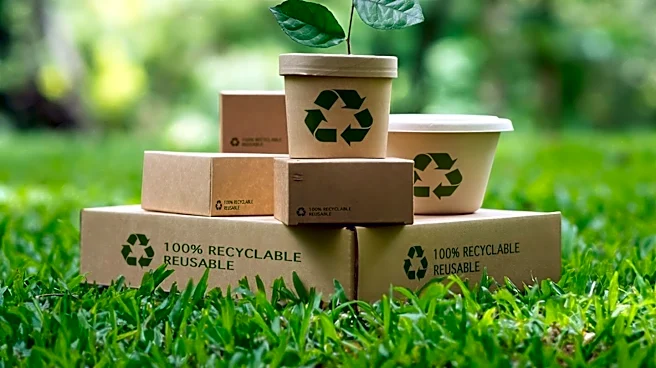
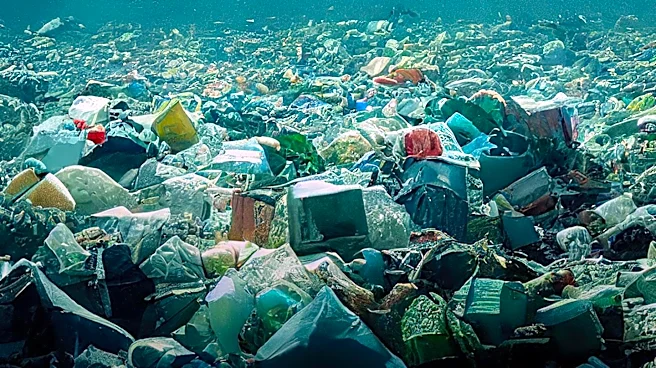
The future of mineral extraction will likely see continued emphasis on technological innovation and policy reform. There will be a push for wider adoption of advanced extraction techniques like in-situ leaching and bio-mining, alongside the integration of renewable energy sources at mine sites. The circular economy will become increasingly central, with efforts to enhance recycling of end-of-life products, particularly lithium-ion batteries, and to repurpose mining waste into valuable resources. Policymakers are expected to implement more robust legal and regulatory frameworks to enforce environmental protection, worker safety, and community engagement. Financial institutions will continue to prioritize ESG performance in their investment decisions, channeling capital towards sustainable mining projects. International cooperation through multilateral initiatives will also be crucial to harmonize standards and prevent a 'race to the bottom' in environmental and social practices. The ongoing development and deployment of advanced thermal processing equipment will be critical to support these sustainable practices, ensuring both efficiency and environmental compliance.
Beyond the Headlines
The transition to sustainable mineral extraction carries profound ethical and cultural implications. It challenges the historical paradigm of resource exploitation, pushing for a more equitable distribution of benefits and a greater respect for local communities and Indigenous Peoples. The formalization of artisanal and small-scale mining (ASM) is a key aspect, aiming to improve working conditions and environmental practices in a sector that often operates in legal gray areas. This involves providing legal status, training, and access to fair markets, transforming a potentially exploitative industry into one that supports livelihoods sustainably. Furthermore, the concept of 'waste as a resource' fundamentally alters how societies view industrial byproducts, promoting a regenerative economic model. This shift also highlights the interconnectedness of global supply chains and the shared responsibility of developed nations, resource-rich developing countries, and corporations in ensuring a just and sustainable energy transition. The success of these efforts will redefine the relationship between humanity, technology, and the planet, moving towards a future where economic growth is decoupled from environmental degradation.