





What's Happening?
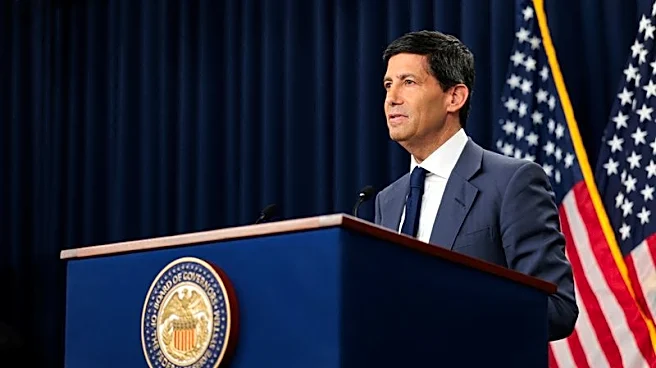
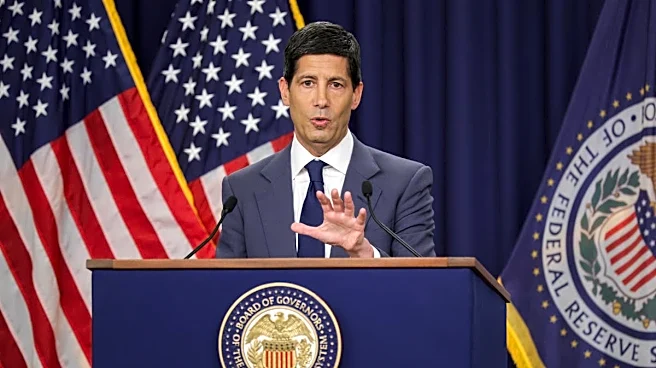
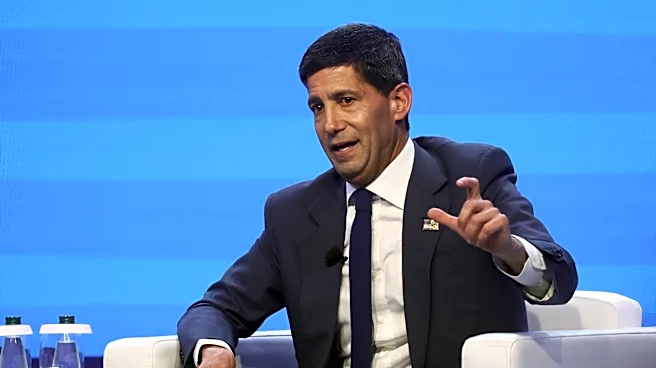
Beth Hammack, President and CEO of the Federal Reserve Bank of Cleveland, gathers economic data from a diverse range of sources to inform her monetary policy views. In addition to utilizing national data from agencies such as the Bureau of Labor Statistics
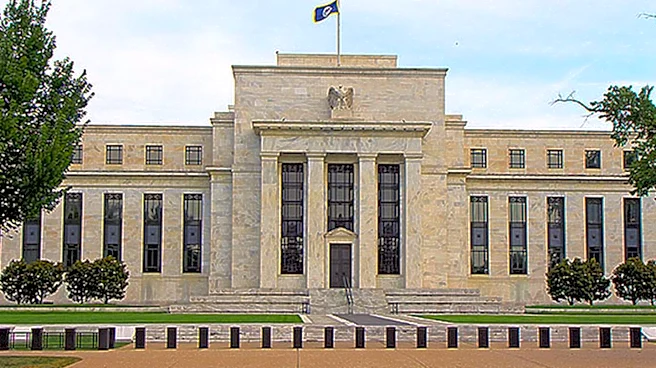
and the Bureau of Economic Analysis, President Hammack actively collaborates with Bank researchers and Cleveland Fed advisory councils. She also engages directly with businesses and community groups throughout the Fourth District, conducting visits to gain firsthand insights into how individuals are experiencing the economy. This comprehensive approach to data collection is part of the Cleveland Fed's broader mission to support the U.S. economy and its region by studying economic conditions, serving financial institutions, and providing economic education and resources.
Why It's Important?
President Hammack's multifaceted approach to data collection is crucial for formulating well-informed monetary policy. Relying solely on national aggregate data can sometimes obscure regional economic nuances and the real-world experiences of businesses and communities. By incorporating direct engagement with local stakeholders and insights from advisory councils, the Cleveland Fed gains a more granular and qualitative understanding of economic conditions. This localized perspective is vital for ensuring that monetary policy decisions, made at the Federal Reserve System level, are responsive to the diverse economic realities across the United States. It helps to identify emerging trends, challenges, and opportunities that might not be apparent in broader statistical reports, ultimately contributing to more effective and equitable economic outcomes for the nation.
What's Next?
President Hammack and the Cleveland Fed will continue to utilize this comprehensive data collection strategy to inform their contributions to the Federal Open Market Committee (FOMC) discussions and monetary policy decisions. The ongoing engagement with businesses and community groups will provide continuous feedback on economic conditions, allowing for adaptive policy adjustments. The insights gained from these diverse sources will be integrated with national economic indicators to form a holistic view of the U.S. economy. This approach ensures that the Cleveland Fed's perspectives are grounded in both quantitative data and qualitative, real-world observations, enhancing the robustness of the Federal Reserve System's overall economic analysis and policy formulation.
Beyond the Headlines
President Hammack's emphasis on direct engagement and qualitative data collection highlights a critical aspect of central banking that extends beyond econometric models and statistical reports. It underscores the human element in economic policy, recognizing that economic conditions are ultimately experienced by individuals and communities. This approach can foster greater trust and understanding between the Federal Reserve and the public, as it demonstrates a commitment to understanding the 'on-the-ground' realities. Furthermore, it can help identify structural issues, disparities, and emerging challenges that might be overlooked by purely quantitative analyses, leading to more inclusive and effective policy responses. This blend of quantitative and qualitative data collection is essential for navigating the complexities of a diverse and dynamic U.S. economy.