



What's Happening?
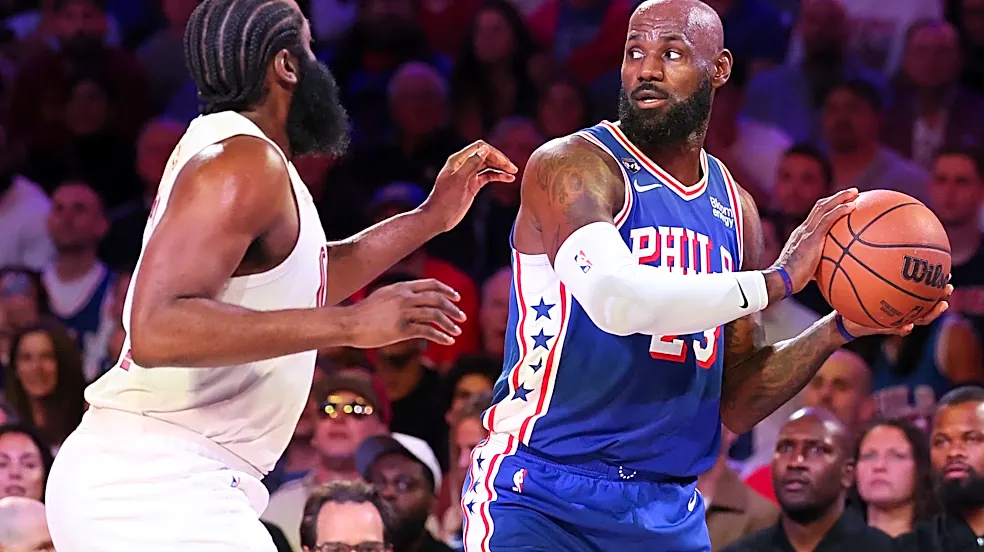
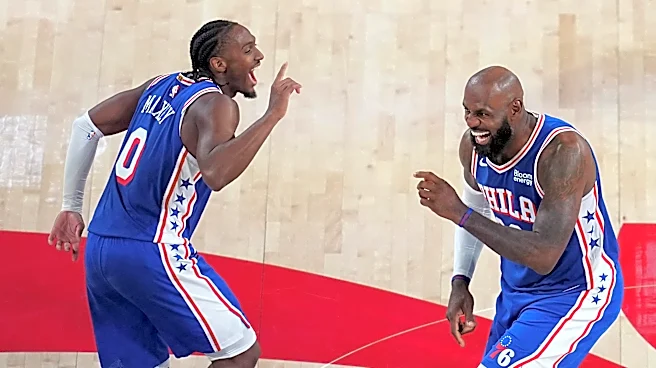
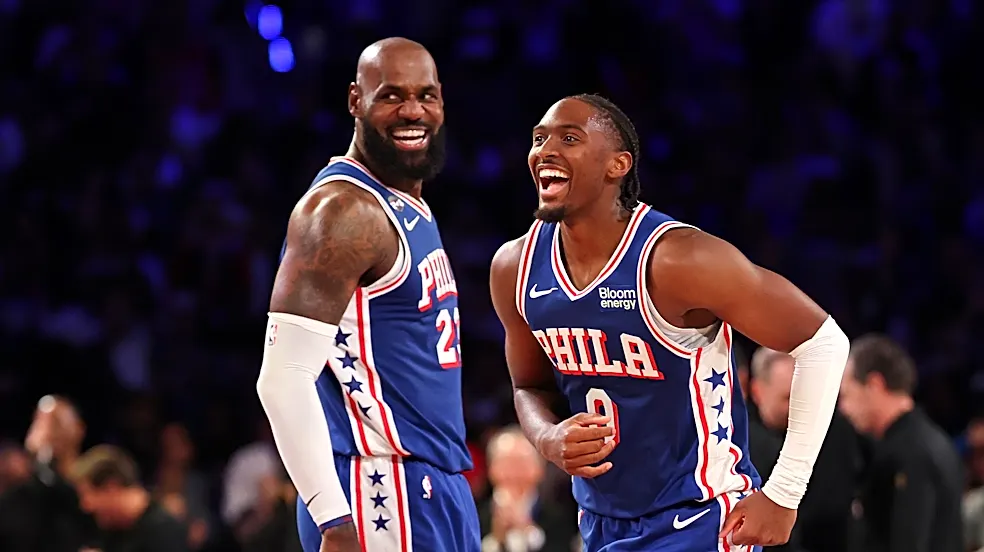
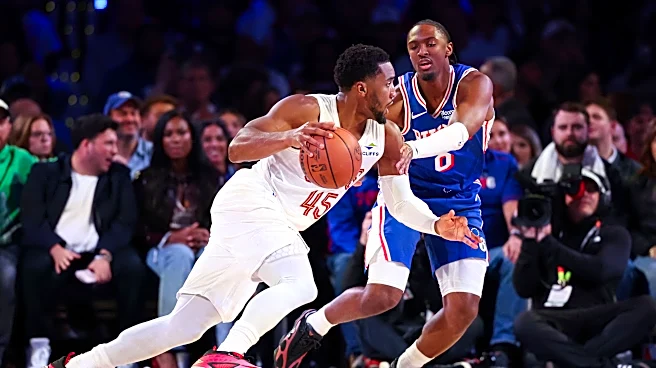
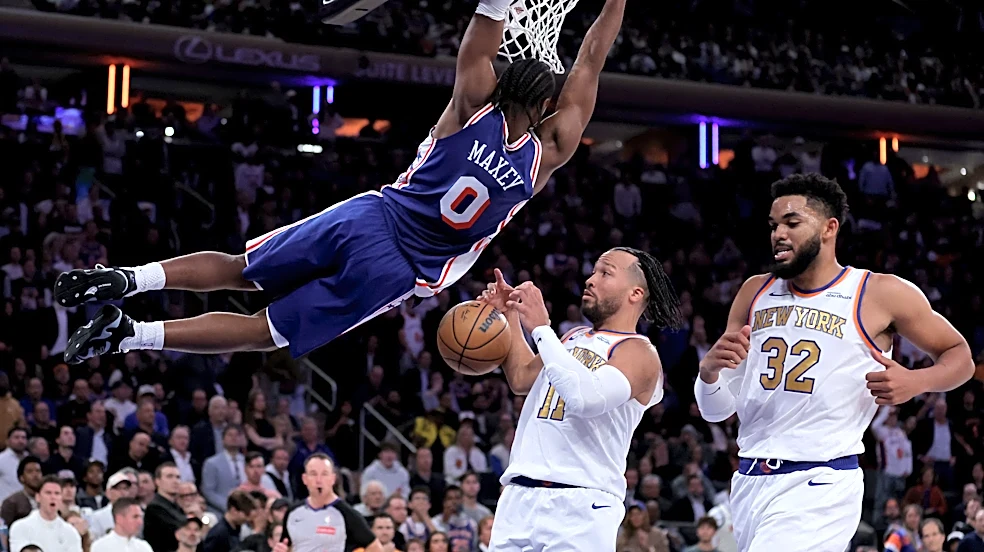
Philadelphia 76ers star Tyrese Maxey has publicly refuted a claim made by ESPN pundit Stephen A. Smith. Smith alleged on 'First Take' that Maxey had visited former 76ers coach Doc Rivers' home, nearly in tears, due to frustration over James Harden's perceived
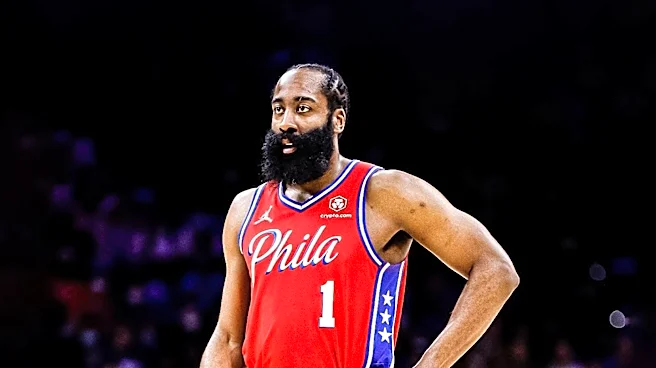
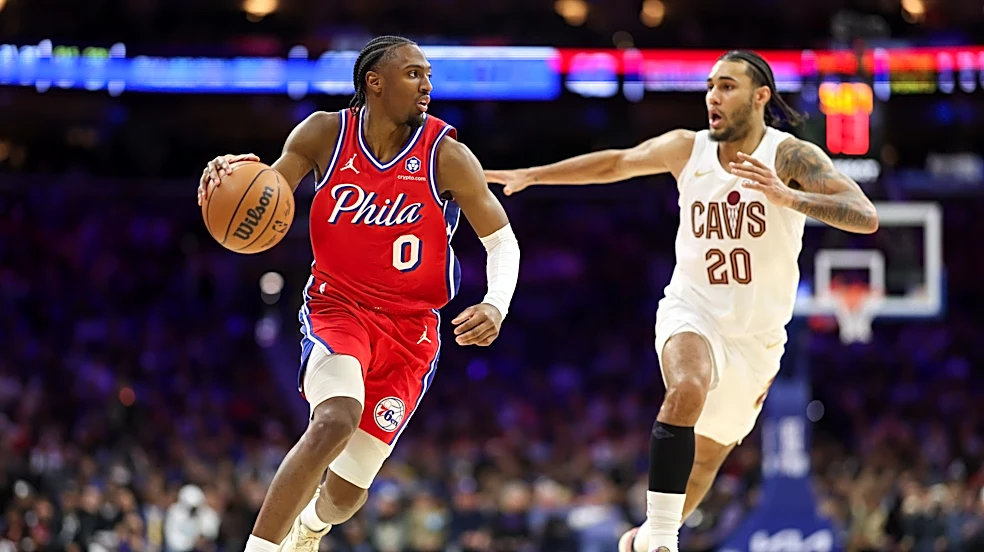
lack of effort during the NBA playoffs. Maxey responded on X, stating, "I’ve never even been to DOC house 😂." This denial comes after a heated on-court argument between Maxey and Harden during the 76ers' recent comeback victory against the Cleveland Cavaliers. Smith suggested this confrontation stemmed from lingering resentment over Harden's performance in the 2023 playoffs, specifically referencing the Eastern Conference semifinals loss to the Celtics where Harden had subpar scoring performances in crucial games. Harden was later traded from the 76ers.
Why It's Important?
This incident highlights the intersection of sports media commentary and athlete response, particularly in the age of social media. Stephen A. Smith, a prominent sports analyst, made a specific claim about a private interaction involving a high-profile athlete and former coach. Maxey's direct and immediate public denial underscores the increasing scrutiny athletes face and their willingness to challenge narratives they deem inaccurate. Such public disagreements can impact the credibility of sports journalists and shape public perception of athletes and their relationships within a team. For the 76ers, while Harden is no longer with the team, the discussion revives past team dynamics and potential underlying tensions, even as Maxey continues to perform at a high level, as evidenced by his 32-point performance against the Cavaliers.
What's Next?
The immediate aftermath will likely involve further discussion on sports commentary shows regarding the veracity of Smith's claim and Maxey's denial. It remains to be seen if Stephen A. Smith will address Maxey's rebuttal or provide further context for his initial statement. For Tyrese Maxey, his focus will likely remain on his performance with the 76ers, especially given his strong start to the season. The incident could also lead to increased caution among sports commentators when reporting on unverified private interactions, or conversely, it might embolden athletes to more frequently use their platforms to correct perceived misinformation. The dynamic between sports media and athletes continues to evolve, with social media playing a significant role in direct communication and immediate fact-checking.
Beyond the Headlines
This exchange touches upon broader themes of journalistic responsibility and the impact of speculative reporting in sports. While sports commentary often thrives on analysis and sometimes conjecture, direct claims about private emotional states and interactions, especially when denied by the individuals involved, raise questions about the standards of reporting. It also illustrates the power of athletes' voices in controlling their own narratives, bypassing traditional media filters through platforms like X. The incident could contribute to a growing trend where athletes are less hesitant to challenge media portrayals, potentially leading to a more direct and unfiltered dialogue between players and the public, and perhaps a re-evaluation of how sports news is consumed and verified.