





What's Happening?
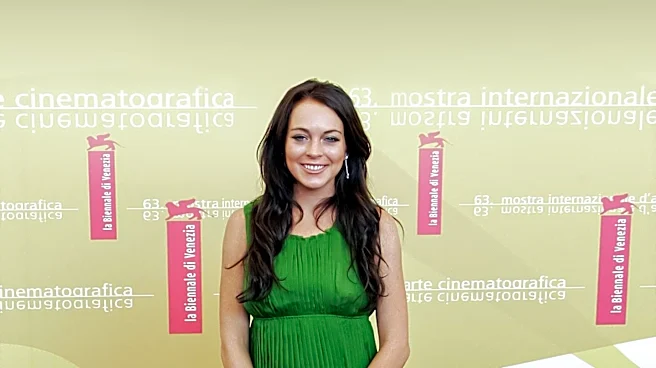
The Venice International Film Festival has announced the cancellation of its traditional jury press conference for the 2025 edition. This decision comes as the conflict between Israel and Palestine has become a central and contentious topic at various
film festivals globally. The festival typically begins with a panel where jurors are available for press inquiries. This year's jury is chaired by Maggie Gyllenhaal and includes Kaouther Ben Hania, Daniel Blumberg, Francesco Casetti, Xavier Giannoli, Shahrbanoo Sadat, and Johnnie To. An open letter from the group Venice4Palestine, signed by over 200 film industry figures, had urged the festival to 'put Palestine in the spotlight' and include the Palestinian flag among the national flags displayed. The letter also called for transparency regarding agreements with institutions linked to the Israeli government and the creation of a protection structure for workers committed against genocide. While the festival denied that the cancellation was due to political pressure, citing a 'scheduling conflict,' the move follows last year's Venice jury press conference where president Alexander Payne declined to answer a question about the Israel-Gaza war, stating he was unprepared to discuss politics.
Why It's Important?
This cancellation highlights the increasing pressure on cultural institutions, particularly film festivals, to address geopolitical conflicts. The decision reflects a broader trend where artistic and cultural events are becoming platforms for political discourse, often leading to difficult choices for organizers. The involvement of groups like Venice4Palestine and the open letter signed by numerous industry figures demonstrate a growing demand for film festivals to take stances on international issues, moving beyond purely artistic considerations. This situation could set a precedent for how other major U.S. and international film festivals handle similar pressures, potentially leading to changes in their traditional formats and public engagement strategies. The incident also underscores the challenges faced by artists and jurors who may prefer to focus solely on cinema but find themselves drawn into complex political debates, impacting the perceived neutrality and artistic integrity of these events.
What's Next?
The Venice International Film Festival will proceed with its 2025 edition, featuring two Palestinian productions, 'Citizen Osama' and 'Conversation With the Sea,' as well as the Gaza-set documentary 'Naza.' It remains to be seen how the festival will manage further political discussions or protests during the event, especially given the heightened scrutiny. Other film festivals, both in the U.S. and internationally, will likely observe the fallout from this decision and may re-evaluate their own protocols for press conferences and public engagement in light of ongoing geopolitical tensions. The incident could also prompt further discussions within the film industry about the role of artists and cultural institutions in addressing global conflicts and human rights issues. Stakeholders, including filmmakers, activists, and festival organizers, will continue to navigate the delicate balance between artistic expression and political responsibility.
Beyond the Headlines
The cancellation of the jury press conference at the Venice International Film Festival reveals a deeper tension between the traditional role of cultural events as spaces for artistic appreciation and their evolving function as arenas for social and political commentary. This shift reflects a broader societal expectation for institutions to demonstrate ethical leadership and take a stand on pressing global issues. The incident also brings to light the complexities of maintaining neutrality in a highly interconnected world, where political events can quickly permeate cultural spheres. The pressure on jurors and filmmakers to articulate political views, even when their primary focus is art, underscores a growing demand for accountability and engagement from public figures. This trend could lead to a redefinition of the responsibilities of cultural institutions, potentially influencing funding, programming, and the overall public perception of film festivals as purely artistic endeavors.