

What's Happening?
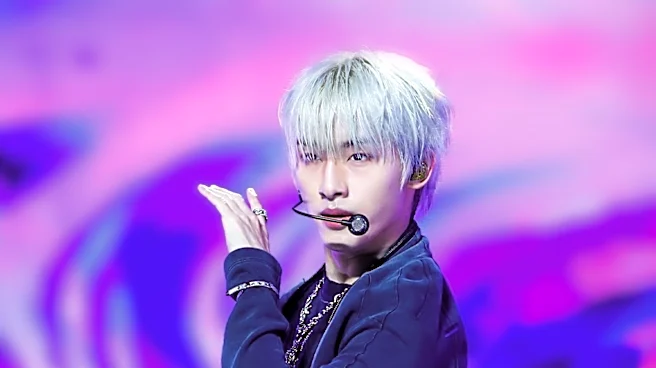
The reported death of a 26-year-old Japanese fan of the K-pop group ENHYPEN has ignited discussions about cyberbullying and toxic fandom culture. The fan, known as 'Mina,' faced online harassment following a concert incident involving ENHYPEN member NI-KI.
After a misunderstanding at a concert, Mina was criticized online, leading to a public apology. Despite this, the backlash continued, culminating in a self-harm incident during a livestream, after which she was confirmed dead by friends. The incident has divided fans, with some calling for empathy and others defending NI-KI.
Why It's Important?
This incident highlights the darker aspects of fandom culture, where intense competition for idols' attention can lead to harmful behavior. It underscores the need for better moderation on social media platforms to prevent harassment and coordinated attacks. The situation also points to the responsibility of entertainment agencies to promote healthier fan interactions and establish clear boundaries between idols and fans. The tragic outcome serves as a reminder of the real-world consequences of online behavior and the importance of addressing toxic dynamics within fan communities.
What's Next?
In response to this incident, there may be increased calls for social media platforms to enhance their moderation policies to prevent cyberbullying. Entertainment agencies might also be prompted to take a more active role in guiding fan behavior and fostering positive community interactions. Discussions around the ethical responsibilities of both fans and idols could lead to initiatives aimed at creating safer online environments. The incident may also influence how future fan interactions are managed at concerts and other events.
Beyond the Headlines
The situation reflects broader societal issues related to mental health and the impact of online interactions. It raises questions about the role of social media in amplifying conflicts and the need for greater awareness of the potential harm caused by digital harassment. The incident also highlights the cultural pressures within fandoms, where the desire for unique recognition can lead to unhealthy competition. Addressing these issues requires a collective effort from fans, idols, and platforms to create a more supportive and respectful environment.