

What's Happening?
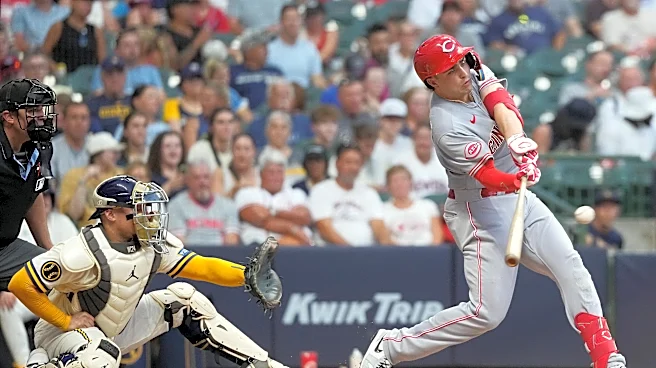
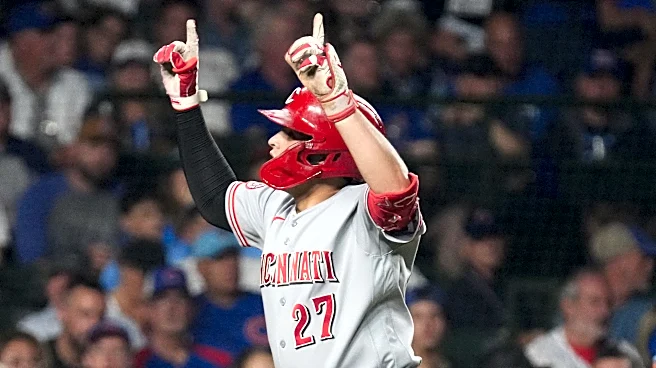
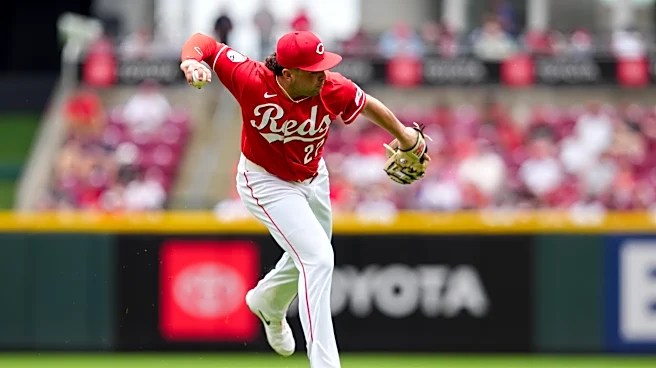
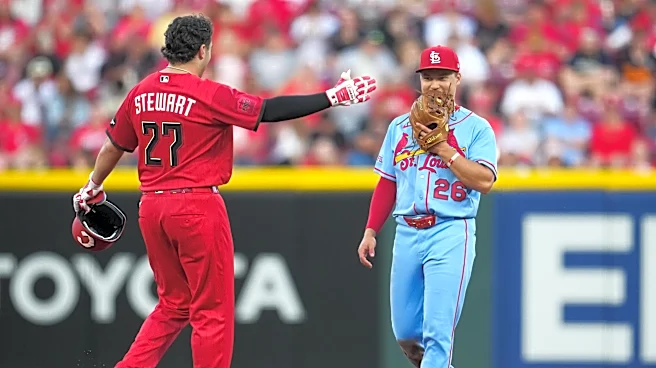
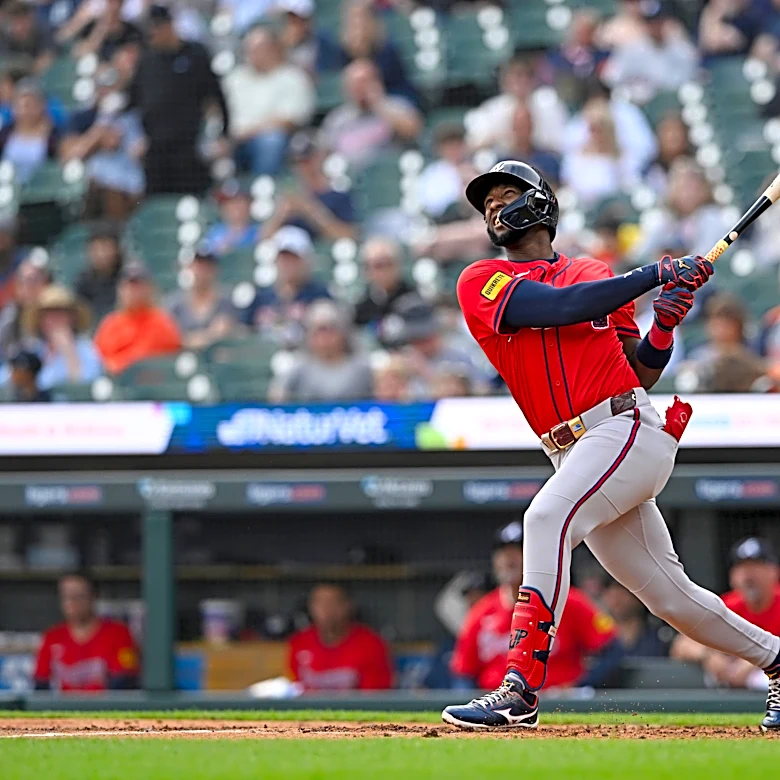
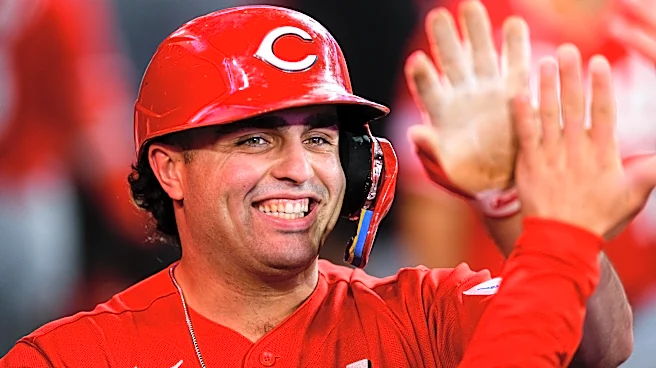
New York Mets right fielder Carson Benge finished second in the National League Rookie of the Year voting, losing to Cincinnati's Sal Stewart. Stewart secured the award with 20 first-place votes and 170 points, while Benge received 20 first-place votes but
only 107 points. Mets right-hander Nolan McLean placed fourth. The voting outcome has sparked debate among fans and analysts, particularly regarding the emphasis on RBIs (Runs Batted In) as a primary metric for Stewart's win, a statistic often devalued in modern analytics. Benge's impressive rookie season included a 4.3 fWAR compared to Stewart's 2.0, a 20-20 season (20 home runs, 20 stolen bases), and a new Mets rookie record for hits with 168. He also led all of baseball with 10 outfield assists. However, Benge's strong performance largely occurred in the latter half of the season, after the Mets had fired manager Carlos Mendoza in late June and were already struggling, which some believe affected voter perception.
Why It's Important?
The outcome of the NL Rookie of the Year voting highlights a persistent tension between traditional baseball statistics, such as RBIs, and advanced analytical metrics like fWAR. This debate impacts how player value is perceived and rewarded, influencing not only individual accolades but also contract negotiations and team building strategies. For the Mets, Benge's strong rookie campaign, despite the team's overall poor performance, represents a significant positive development and a cornerstone for future success. His comprehensive skill set, encompassing power, speed, and elite defense, positions him as a key player for the franchise. The controversy surrounding the voting process also underscores the subjective nature of awards and the varying criteria voters employ, which can lead to outcomes that diverge from analytical consensus. This situation could fuel further discussions within baseball about standardizing voting criteria or educating voters on the utility of advanced statistics.
What's Next?
For Carson Benge, the focus will shift to building upon his impressive rookie season and continuing his development as a cornerstone player for the New York Mets. Despite not winning the award, his performance has established him as a significant talent in the league. The Mets will likely continue to integrate him as a central figure in their offensive and defensive strategies. The debate surrounding the Rookie of the Year voting may prompt further discussions within the Baseball Writers' Association of America (BBWAA) regarding voting criteria and the balance between traditional and advanced statistics. While no immediate changes to the voting process are expected, the ongoing dialogue could influence future award considerations. For Sal Stewart, winning the award will elevate his profile and place expectations on him to continue his high level of production for the Cincinnati Reds.
Beyond the Headlines
The NL Rookie of the Year voting outcome, particularly the debate over RBIs versus advanced metrics, reflects a broader cultural and analytical divide within baseball. It highlights how different stakeholders – traditionalists, sabermetricians, fans, and media – interpret and value player contributions. This ongoing tension can influence how young players are scouted, developed, and ultimately compensated. For the Mets, Benge's performance amidst a tumultuous season, including a managerial change, speaks to his resilience and potential leadership qualities. His ability to excel despite team struggles could make him a unifying figure as the franchise looks to rebuild and establish a new identity. The perceived 'snub' could also serve as motivation for Benge, driving him to further excel and prove his comprehensive value in subsequent seasons, potentially solidifying his status as a superstar in the league.