



What's Happening?
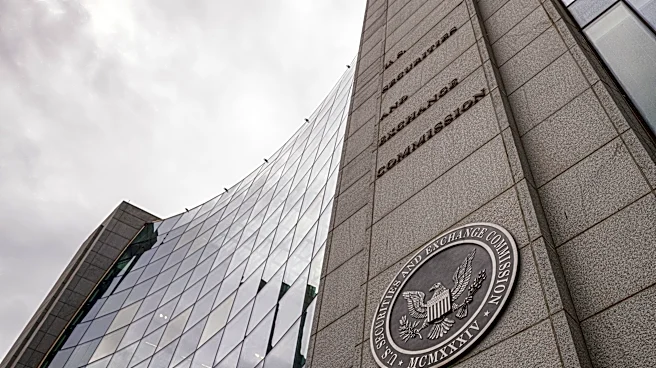
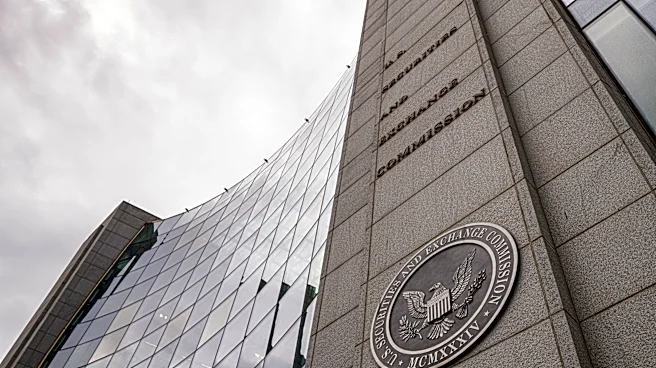
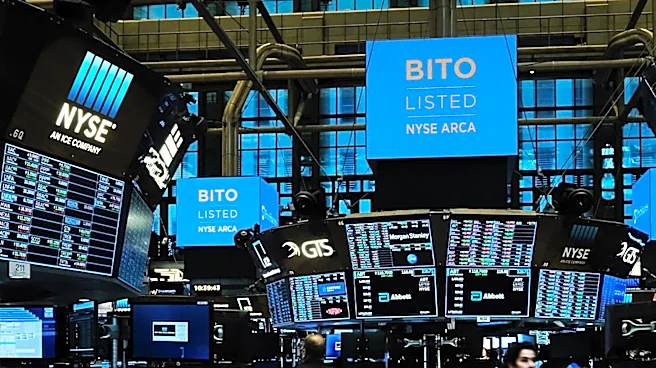
On November 13, 2026, the Securities and Exchange Commission (SEC) approved a new continued listing requirement for NYSE American LLC. This rule mandates that listed companies must maintain an average market capitalization of at least $5 million over
a consecutive 30-trading-day period. The rule became effective immediately upon approval. If a company fails to meet this Market Value of Listed Securities (MVLS) Requirement, NYSE American will promptly suspend trading and initiate delisting procedures. Unlike other listing deficiencies, companies will not be eligible for a cure period or the ability to submit a plan to regain compliance with this specific requirement. However, companies retain the right to appeal any delisting determination resulting from non-compliance with the MVLS Requirement. This approval follows a similar rule from The Nasdaq Stock Market LLC, which is currently under SEC review.
Why It's Important?
This new rule significantly impacts nano-cap companies listed on NYSE American, making it more challenging for them to maintain their listing, especially if their market capitalizations experience substantial and prolonged fluctuations. The immediate suspension of trading and commencement of delisting procedures, without a cure period, introduces a stricter compliance environment. This could lead to a reduction in the number of smaller companies listed on NYSE American, potentially affecting their access to public capital markets and investor visibility. For investors, the rule aims to ensure a certain level of financial stability and liquidity among listed companies, potentially reducing risks associated with highly volatile or undercapitalized entities. The absence of a compliance plan option underscores the SEC's intent to enforce a clear and immediate standard for market capitalization.
What's Next?
With the rule effective immediately, NYSE American could begin delisting implicated companies as early as the end of December 2026 or early January 2027. Companies currently listed on NYSE American that are close to or below the $5 million average market capitalization threshold will need to assess their financial standing and potential strategies to meet the new requirement. The rule does not preclude companies from appealing a delisting decision, which could lead to legal challenges or further regulatory scrutiny. The outcome of the SEC's review of Nasdaq's similar rule could also influence future interpretations or adjustments to such listing requirements across other exchanges, potentially setting a precedent for market capitalization standards in the U.S. financial markets.
Beyond the Headlines
The implementation of this rule reflects a broader regulatory trend towards enhancing market integrity and investor protection by setting higher financial thresholds for publicly traded companies. While it aims to safeguard investors from potentially unstable companies, it also raises questions about the accessibility of public markets for emerging or smaller enterprises. The rule could inadvertently push some nano-cap companies towards private funding or alternative listing venues, altering the landscape of capital formation for smaller businesses. Furthermore, the lack of a cure period for this specific requirement highlights a shift towards more stringent, less flexible compliance mechanisms, potentially influencing how exchanges manage listing standards and how companies prepare for public offerings.