



What's Happening?
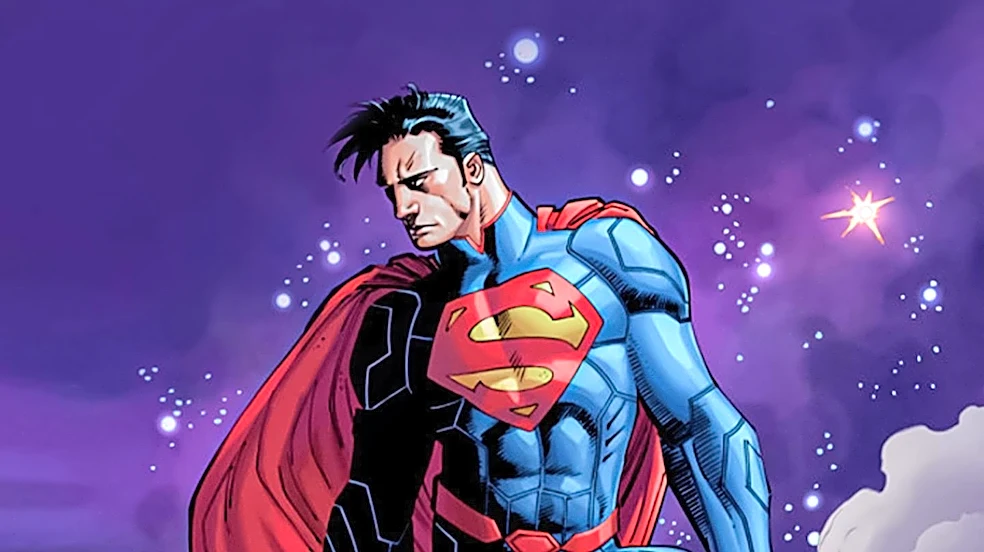
For several years, Italian publishers, notably Mondadori, changed Superman's name to 'Nembo Kid' in their comic book translations. This alteration was reportedly an attempt to pay less for copyright. The name 'Nembo Kid' translates roughly to 'stormy
cloud kid,' which is considered nonsensical in Italian, especially since 'Kid' is an English word. This practice extended to other DC characters, with Superboy also being referred to as 'Nembo Kid' and Supergirl as 'Nembo Star.' Other Legion of Super-Heroes members also received altered names, such as Cosmic Boy becoming 'Cosmico' and Saturn Girl becoming 'Saturnia.' Mondadori also published stories out of chronological order and often in black and white, with smaller book sizes compared to their American counterparts. The aversion to using the word 'Super' was a notable characteristic of Mondadori's publishing approach.
Why It's Important?
This historical practice highlights the complexities and challenges of international intellectual property rights and cultural adaptation in media. The decision to change iconic character names like Superman to 'Nembo Kid' demonstrates how financial considerations can influence creative choices and potentially impact brand recognition and character identity in foreign markets. For U.S. comic creators and publishers, this serves as a historical example of how their intellectual property can be reinterpreted or altered when licensed internationally, potentially affecting the global perception and consistency of their characters. The eventual return to original names by later Italian publishers like Williams Inteuropa and Play Press underscores the long-term value of maintaining character integrity and brand consistency, even after initial deviations.
What's Next?
While the practice of altering Superman's name in Italy is a historical one, the current Italian publisher, Panini Comics, has been translating DC comics, including the Legion of Super-Heroes, with high quality and often for the first time. They have released omnibus editions and paperbacks, including stories that were previously untranslated. This indicates a shift towards more faithful translations and a greater respect for the original character names and storylines. Future translations are expected to continue this trend, with anticipation for the translation of the Shooter stories and the 2026 version of the Legion. This suggests a continued effort to bring comprehensive and accurate versions of DC comics to Italian readers, moving away from the historical practices of name changes and chronological inconsistencies.
Beyond the Headlines
The phenomenon of altering character names and storylines in international comic book translations, as seen with 'Nembo Kid,' delves into deeper cultural and linguistic considerations. It reflects the tension between direct translation and cultural localization, where publishers might attempt to make content more palatable or cost-effective for a local audience, sometimes at the expense of original intent. This historical example also raises questions about the long-term impact of such changes on fan communities and the preservation of a character's global legacy. The eventual reversion to original names suggests a growing global interconnectedness and a preference among modern audiences for authenticity, highlighting the evolving dynamics of cultural exchange and intellectual property in the entertainment industry.