






What's Happening?
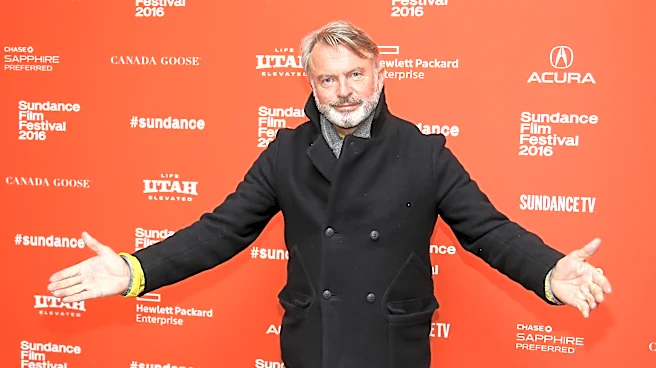
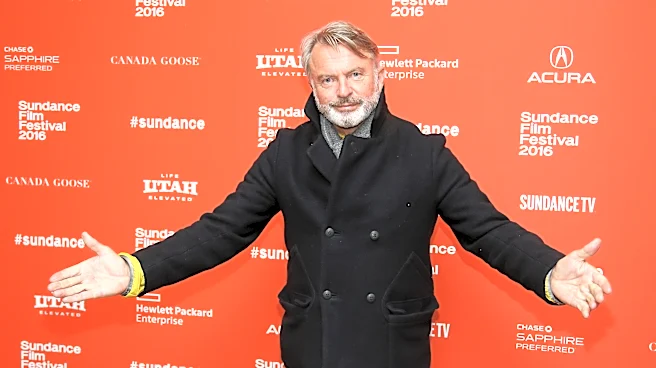
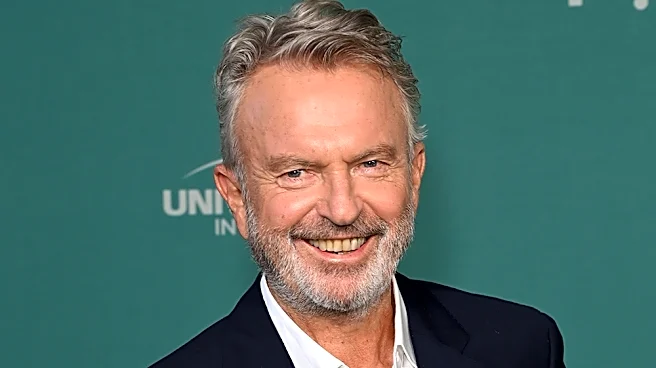
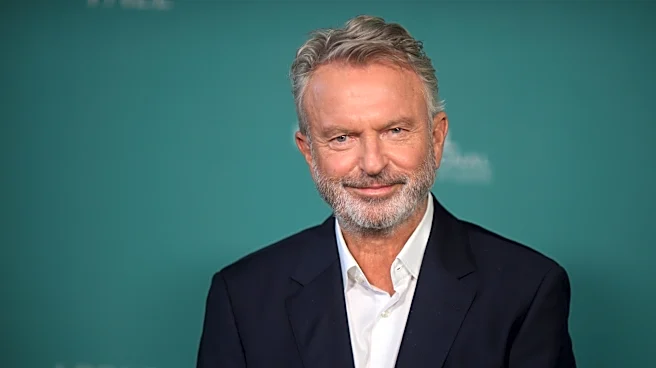
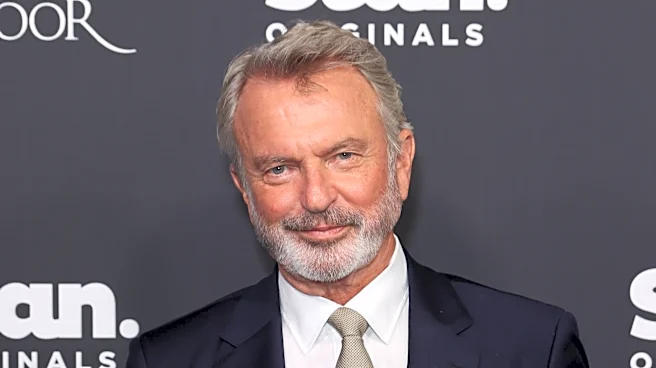
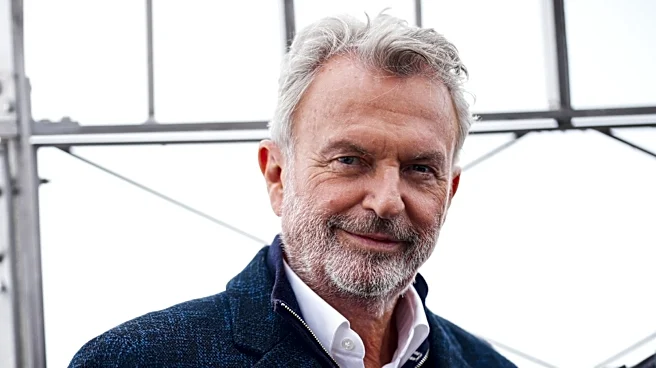
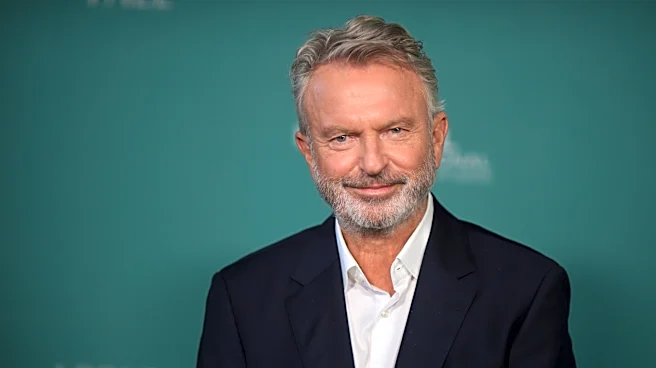
Sam Neill, the internationally acclaimed actor known for his roles in the Jurassic Park franchise and the television series Peaky Blinders, has died at the age of 78 in Sydney, Australia. According to a statement from his family, Neill passed away suddenly
but peacefully on July 13, surrounded by his loved ones at St Vincent’s Private Hospital. Despite a long battle with blood cancer, which he had successfully managed earlier this year through clinical trials in Australia, Neill remained cancer-free at the time of his death. Tributes have poured in from around the world, with Australian Prime Minister Anthony Albanese highlighting Neill's significant contributions to the cultural landscape and his dignified fight against illness.
Why It's Important?
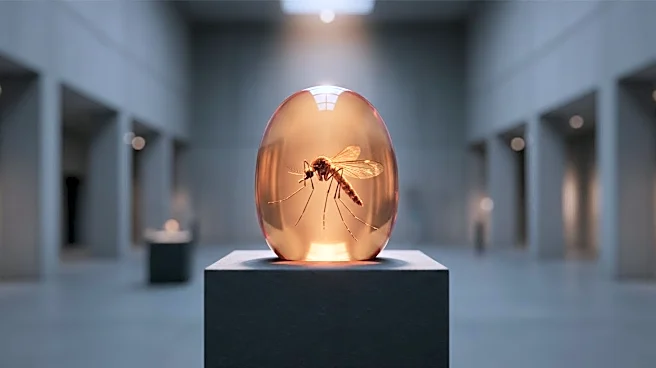
Sam Neill's passing marks the end of a prolific career that spanned over four decades, during which he became a beloved figure in both independent films and major Hollywood productions. His portrayal of Dr. Alan Grant in Jurassic Park brought him international fame, and his diverse roles showcased his versatility as an actor. Neill's contributions to the arts were recognized with a knighthood as a Knight Companion of the New Zealand Order of Merit in 2022. His death is a significant loss to the film industry, as he was not only a talented actor but also a cultural icon who inspired many with his work and personal resilience.
What's Next?
In the wake of Sam Neill's passing, the film industry and fans worldwide are likely to continue celebrating his legacy through his extensive body of work. Memorials and tributes may be organized to honor his contributions to cinema and his impact on audiences. Additionally, his vineyard, Two Paddocks in New Zealand, which he founded, may see increased interest as fans seek to connect with his personal endeavors beyond acting.
Beyond the Headlines
Sam Neill's life and career offer a deeper narrative about the resilience and dedication required to succeed in the competitive world of acting. His ability to manage a public battle with cancer while continuing to work and contribute to the arts serves as an inspiration to many. Neill's story also highlights the importance of clinical trials and advancements in medical treatments, as they played a crucial role in his ability to manage his illness.