




What's Happening?
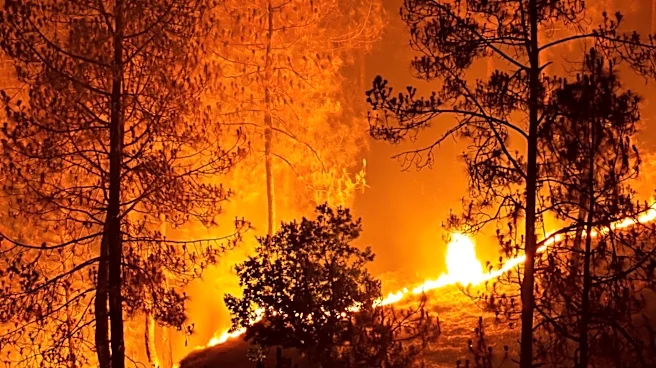
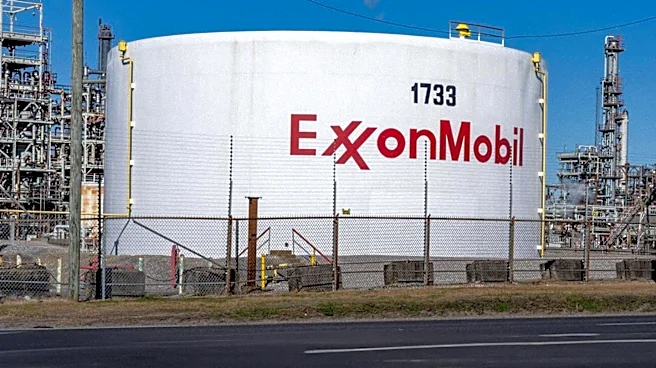
A fire at the ExxonMobil Baytown Olefins Plant in Baytown, Texas, was reported and subsequently resolved on a Saturday evening. The incident occurred shortly after 5:30 p.m., with an 'all-clear' issued approximately an hour later. According to ExxonMobil officials,
the fire was brought under control, and units addressed the smoke until all hazards were resolved. During the initial stages of the incident, precautionary air quality monitoring was conducted around the plant complex and the surrounding community. Upon the resolution of the fire, ExxonMobil stated that no protective action was required from the public. The City of Baytown Public Information Officer, Jason Calder, confirmed that ExxonMobil reported the fire but did not request external assistance. The cause of the fire has not been immediately disclosed by officials.
Why It's Important?
The swift resolution of the fire at the ExxonMobil Baytown Olefins Plant is significant for both the company and the local community. The Baytown facility is a major industrial complex, and incidents like this can raise concerns about environmental impact and public safety. The immediate air quality monitoring and the subsequent declaration that no public protective action was needed helped to mitigate potential anxieties among residents. For ExxonMobil, a quick and effective response to such an incident is crucial for maintaining operational continuity and public trust. Uncontrolled fires at large industrial facilities can lead to significant production disruptions, financial losses, and long-term environmental consequences. The fact that normal operations resumed quickly suggests that the incident was contained efficiently, minimizing broader economic or supply chain impacts.
What's Next?
While the immediate incident has been resolved and normal operations have resumed, the next steps will likely involve an internal investigation by ExxonMobil to determine the exact cause of the fire. This investigation is crucial for identifying any operational vulnerabilities and implementing corrective measures to prevent similar occurrences in the future. Local authorities, including environmental agencies, may also review the incident and the company's response to ensure compliance with safety and environmental regulations. The community will likely be looking for transparency regarding the investigation's findings and any actions taken to enhance safety protocols. Depending on the cause, there could be implications for industry-wide safety standards or regulatory oversight of petrochemical facilities in the region.
Beyond the Headlines
This incident, though quickly resolved, underscores the inherent risks associated with large-scale industrial operations, particularly in the petrochemical sector. The emphasis on air quality monitoring highlights the ongoing public and regulatory concern for environmental safety in areas surrounding such plants. The ability of a company like ExxonMobil to manage and contain such an event internally, without requiring external emergency services, speaks to the robust safety protocols and emergency response capabilities that are typically in place at these facilities. However, the undisclosed cause of the fire leaves open questions about potential systemic issues or human error, which could have broader implications for industrial safety practices and regulatory frameworks if not thoroughly addressed. It also serves as a reminder of the delicate balance between industrial activity and community well-being.