





What's Happening?
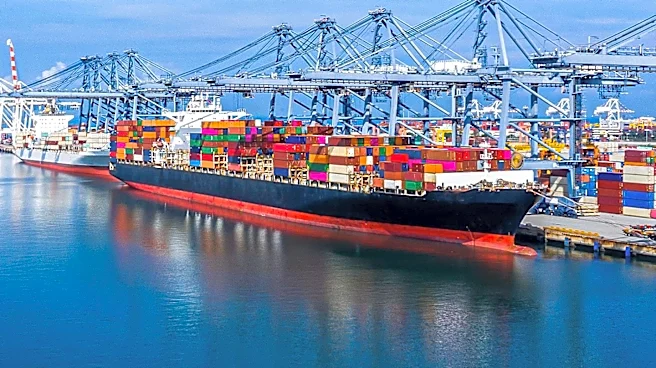
The U.S. economy expanded at a modest 1.5% annual rate in the second quarter of 2026, as reported by the Commerce Department. This growth rate marks a slowdown from the 2.1% growth observed in the first quarter. The deceleration is attributed to a significant
increase in imports, particularly AI-related products, which negatively impacted the GDP figures. Despite the overall slowdown, consumer spending, which constitutes about 70% of the U.S. economic activity, rose by 3.2%, up from 0.5% in the previous quarter. The Federal Reserve's preferred inflation measure, the personal consumption expenditures (PCE) price index, showed a slower growth rate of 3.7% in June, down from 4.1% in May, yet it remains above the Fed's 2% target.
Why It's Important?
The slower economic growth in the second quarter highlights the challenges faced by the U.S. economy, including the impact of rising imports and persistent inflation. The increase in consumer spending suggests resilience among consumers, but the high cost of living continues to be a concern. The Federal Reserve's decision to keep interest rates unchanged reflects ongoing uncertainty about inflation and economic stability. The AI investment boom, while a growth driver, underscores the reliance on imports, which does not directly translate into GDP growth. This situation poses a challenge for policymakers as they balance economic growth with inflation control.
What's Next?
Looking ahead, the U.S. economy may continue to face headwinds from global trade dynamics and inflationary pressures. The Federal Reserve's future policy decisions will likely focus on managing inflation while supporting economic growth. The upcoming midterm elections could also influence economic policy, as public sentiment on economic issues may sway political decisions. Additionally, the ongoing AI investment trend may continue to shape economic activity, although its long-term impact on GDP remains uncertain.