



What's Happening?
Veteran music industry journalist and polymath Mitchell Cohen has published 'Wake Me, Shake Me: New York City, the ’60s & the Pop-Rock Youthquake,' a book that challenges conventional narratives about the origins and development of 1960s pop and rock
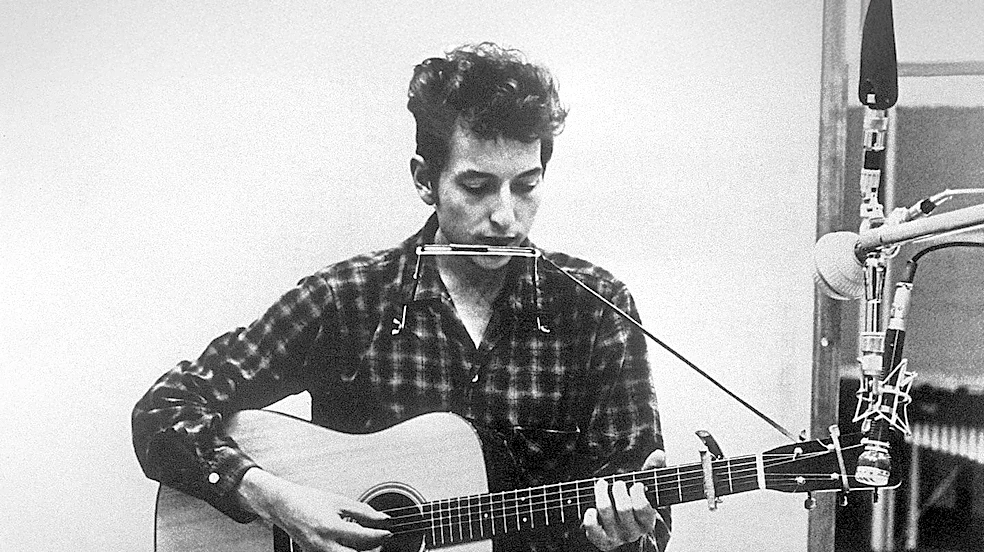
music. The book argues that New York City played a far more vital and central role in shaping the era's musical landscape than commonly acknowledged. Cohen's work connects various New York-based musical movements, including the Brill Building sound, streetcorner doo-wop, the Greenwich Village folk explosion, and artists like the Shangri-Las, the Lovin’ Spoonful, and the Velvet Underground. He also highlights the influence of producers, session musicians, venues, and record labels in the city. The book aims to correct the historical bias that often credits San Francisco, Los Angeles, London, and Liverpool as the primary hubs of 1960s youth culture and music.
Why It's Important?
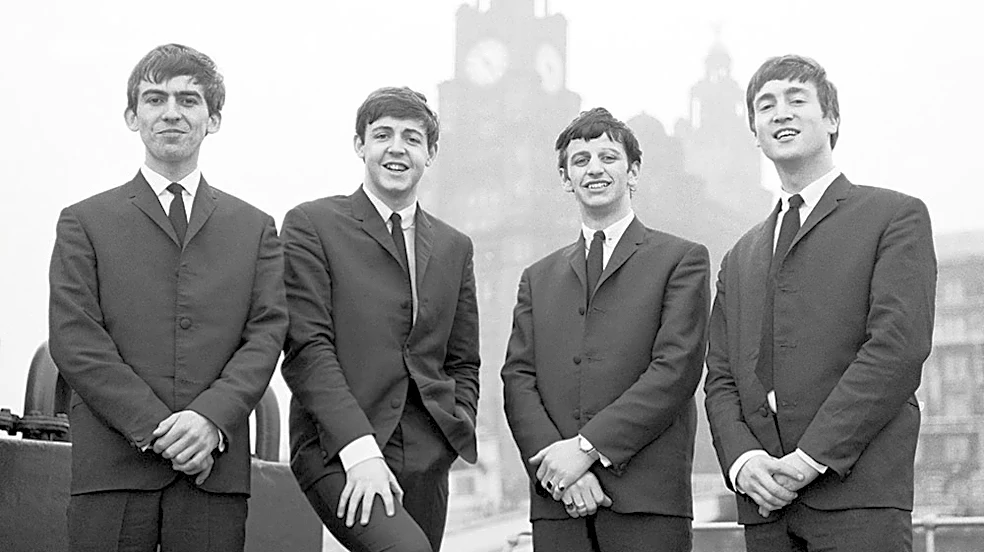
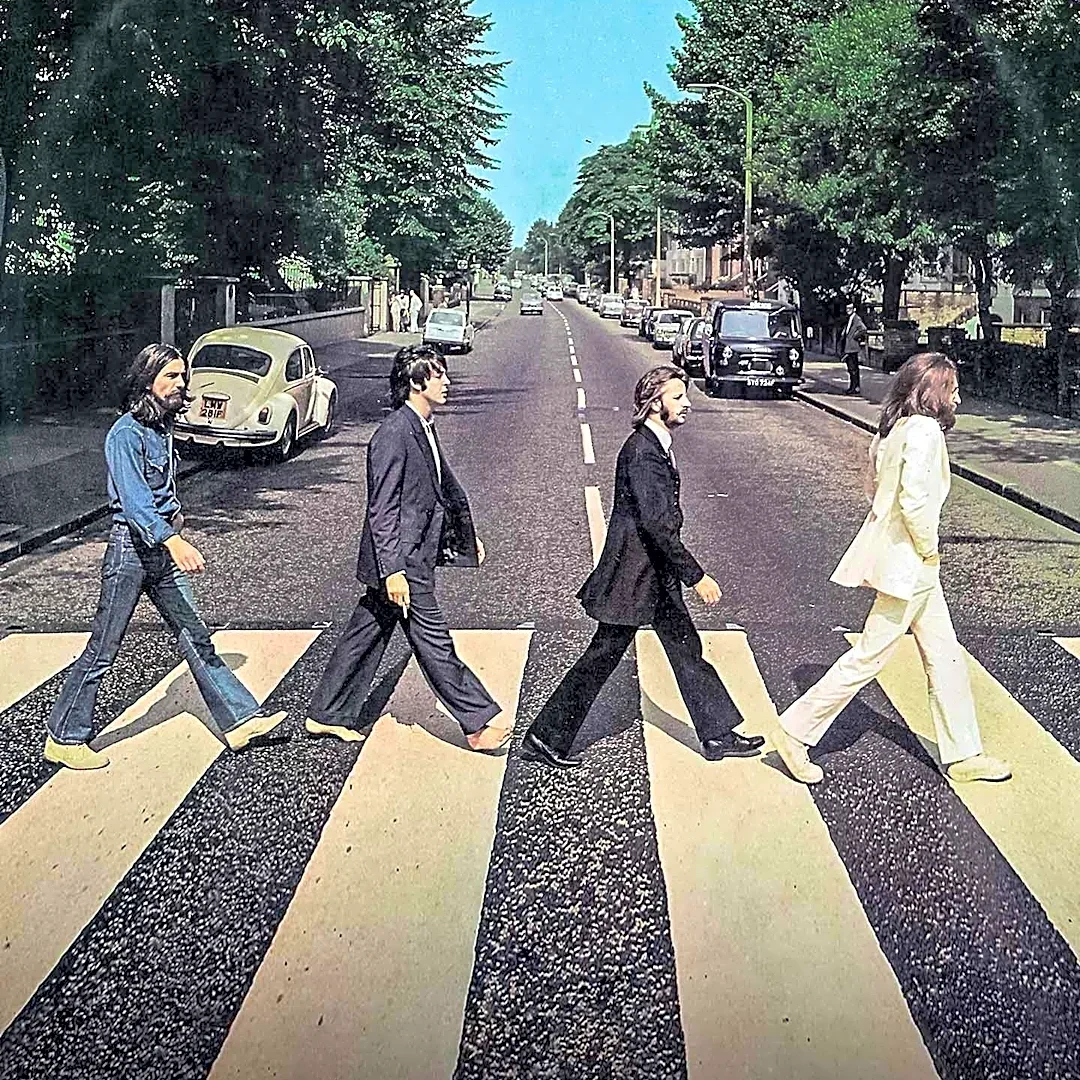
This re-evaluation of New York City's musical history is important because it offers a more comprehensive understanding of American popular music's evolution. By highlighting the diverse and vibrant scene in New York, Cohen's book challenges the long-held 'day the music died' theory, which suggests a decline in creativity after early rock and roll figures and before the British Invasion. It demonstrates that a significant and independent musical ecosystem thrived in New York, influencing and even predating the global impact of bands like The Beatles. This perspective enriches the cultural narrative of the 1960s, showing how various regional scenes contributed to the broader 'youthquake' and the permanent reshaping of the pop-rock landscape. It also underscores the often-overlooked contributions of specific artists, producers, and radio stations like WOR-FM, which pioneered freeform radio and supported album-oriented rock.
What's Next?
The book's publication is expected to spark further discussion and re-examination among music historians, enthusiasts, and academics regarding the true origins and influences of 1960s pop and rock. It may lead to a greater appreciation for New York City's contributions, potentially influencing future music documentaries, academic studies, and popular media portrayals of the era. The insights into the early days of freeform radio and the rise of album-oriented rock could also inform contemporary discussions about music consumption and the role of different media platforms. The book's reception, particularly among those who lived through the era, suggests a shared experience that resonates deeply, indicating its potential to become a significant reference in music history.
Beyond the Headlines
Beyond simply correcting historical inaccuracies, 'Wake Me, Shake Me' delves into the deeper implications of how musical narratives are constructed and perpetuated. It reveals how certain geographical locations and artists can be overemphasized while others are marginalized, often due to journalistic biases or a lack of comprehensive research. The book implicitly raises questions about the criteria used to define 'important' music and the cultural gatekeepers who shape public perception. By emphasizing the interconnectedness of music with broader cultural phenomena like off-Broadway theater, independent film, fashion, and politics, Cohen illustrates how music is not an isolated art form but a reflection and driver of societal change. This holistic approach encourages a more nuanced understanding of cultural movements and their complex origins.