







What's Happening?
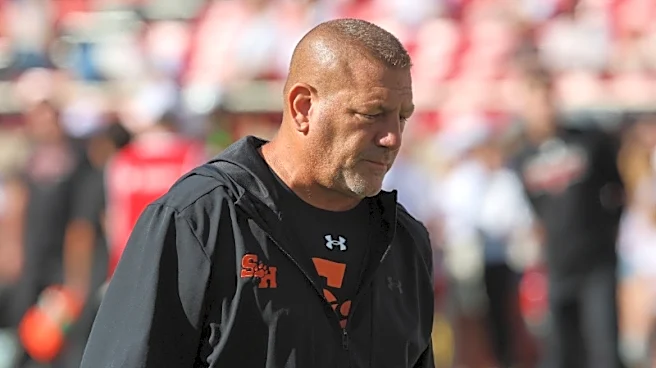
An insider for North Dakota State University (NDSU) has voiced concerns regarding the future of the Fargodome, the home stadium for the NDSU Bison football team. Despite a successful first year in the FBS with a 6-2 record, Mike McFeely of The Fargo Forum
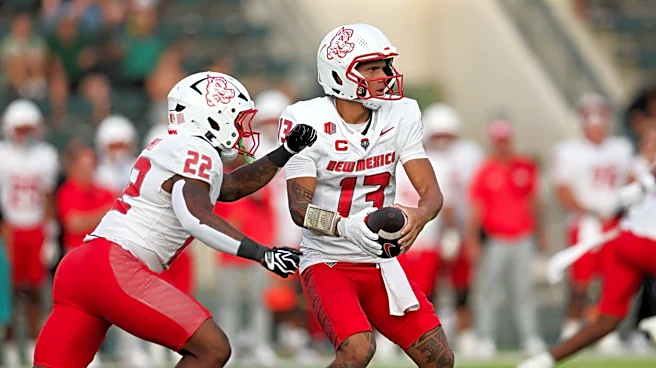
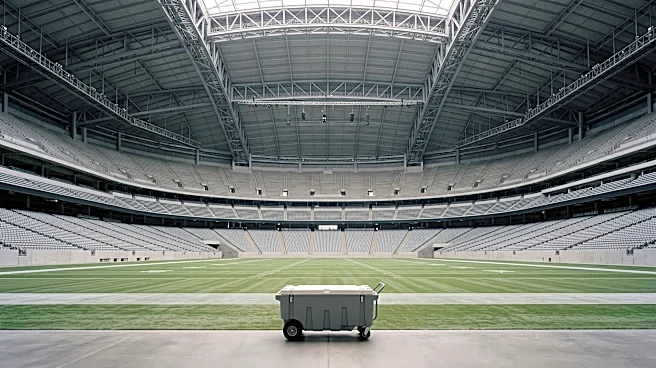
highlighted the need for significant stadium improvements. The Fargodome, which opened in 1992 with 18,000 seats, is reportedly difficult to expand and requires renovations similar to those seen in other Mountain West Conference stadiums. McFeely suggested that the North Dakota state legislature should consider funding upgrades for the Bison's stadium, similar to how New Mexico is investing in its university stadium. There is also speculation that NDSU might consider building its own stadium to avoid dealing with the city of Fargo government and the Fargo Dome Authority.
Why It's Important?
The discussion around the Fargodome's future is critical for NDSU's athletic program, particularly as it transitions into the FBS. A modern, well-equipped stadium is essential for attracting top talent, enhancing the fan experience, and maintaining competitiveness within a higher division. The current Fargodome, while providing a strong home-field advantage with a 206-29 home record, may not meet the long-term infrastructure demands of FBS football. The financial implications of either renovating the existing stadium or constructing a new one are substantial, potentially involving state legislative funding or significant university investment, which could impact other areas of the university or state budget. The outcome will directly affect the program's ability to grow and thrive in the FBS.
What's Next?
The future of the Fargodome will likely be a significant topic of discussion for NDSU athletics, the city of Fargo, and the North Dakota state legislature. NDSU will need to evaluate its options, including seeking state funding for renovations or exploring the feasibility and funding for a new, university-owned stadium. This process will involve detailed financial analyses, architectural planning, and negotiations with various stakeholders. The decision will have long-term consequences for the university's athletic profile, its financial commitments, and its relationship with the local community. The program's continued success in the FBS could bolster arguments for significant stadium investment.
Beyond the Headlines
The debate over the Fargodome's future reflects a broader trend in collegiate athletics where facilities play an increasingly crucial role in program success and revenue generation. As universities move to higher divisions, the pressure to upgrade infrastructure intensifies, often leading to complex funding challenges involving public and private partnerships. This situation also highlights the intricate relationship between university athletic programs, local governments, and state legislatures, where the economic and cultural impact of sports can drive significant public investment. The decision for NDSU will not only be about football but also about the university's overall image and its role in the state's economic landscape.