



What's Happening?
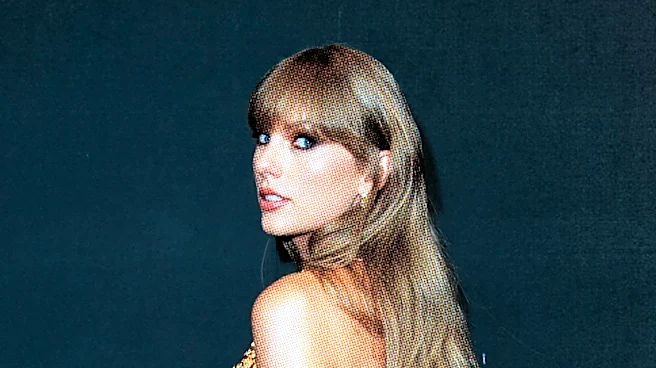
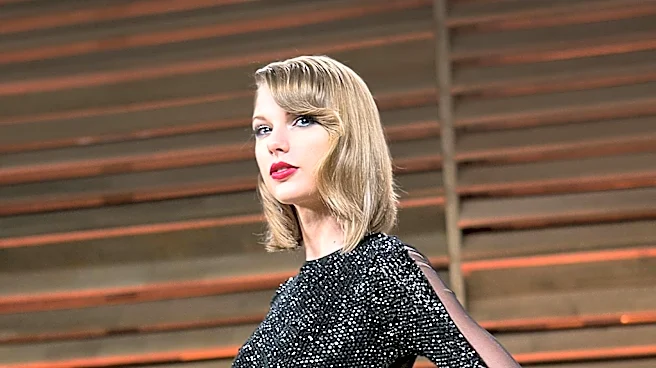
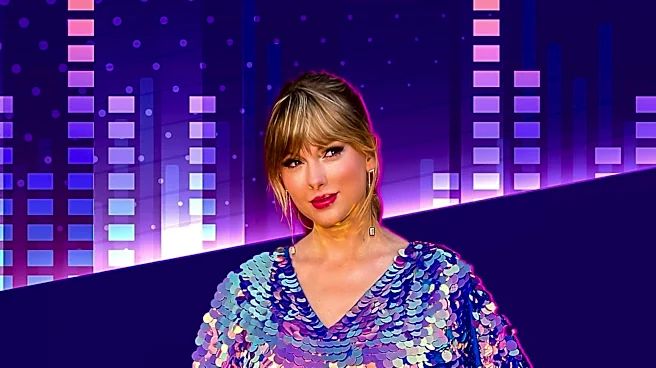
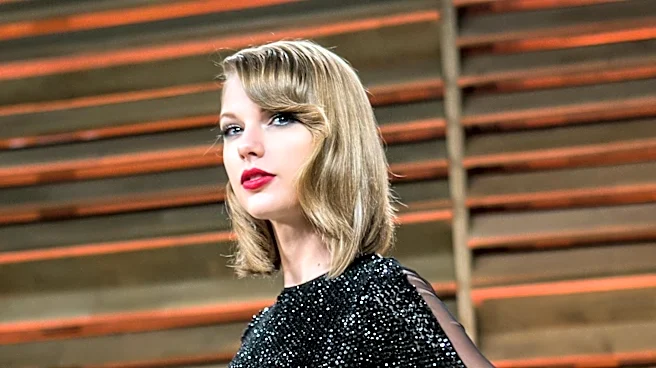
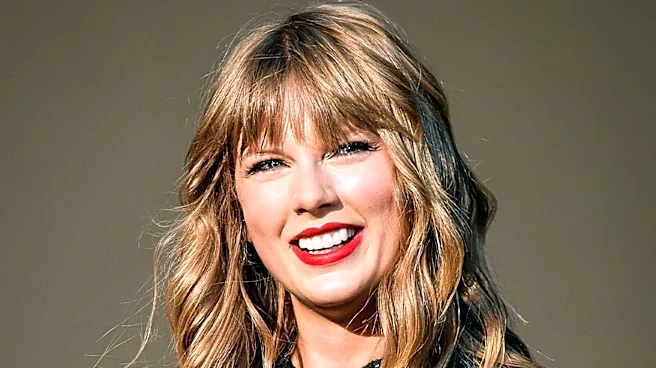
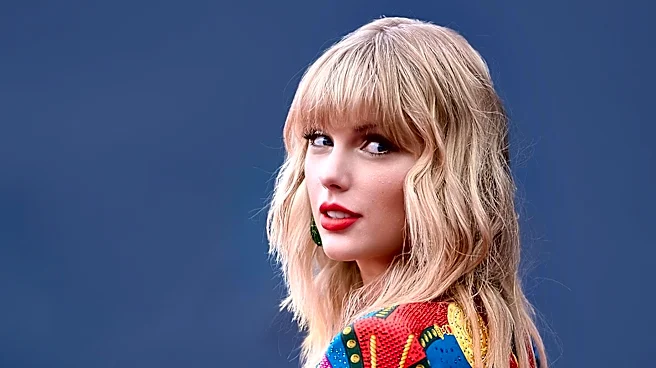
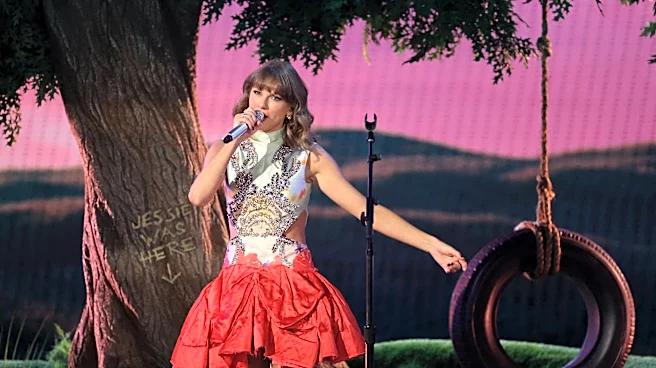
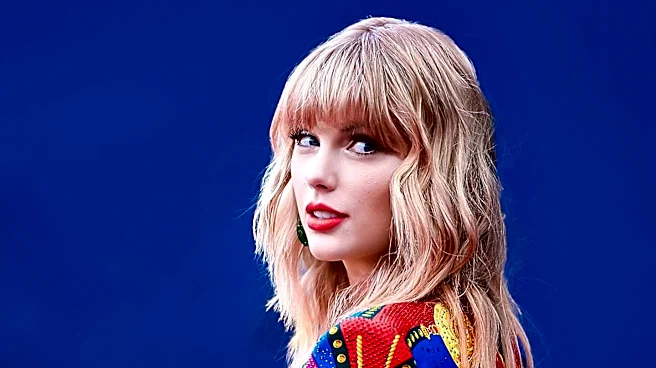
Vanity Fair has published a controversial article titled 'The Mastermind,' written by staff writer May Jeong, which extensively profiles Taylor Swift without directly naming her, referring to her instead as 'The Star.' The article, which claims to be
based on interviews with over 100 sources, presents a dual narrative of Swift as both 'victim and victimiser.' It delves into aspects of her childhood, suggesting she was not the 'misfit' she often portrays in her early songs, and highlights her family's wealth and privilege as factors in her rise to fame. The piece also uses aliases for other figures in Swift's life, including 'The Brat' (Charli XCX), 'The Machine' and 'The Manager' (referring to Big Machine Records and Scooter Braun), and 'The Archnemesis' (Kanye West). Swift's representatives declined to comment on the story when approached by Vanity Fair.
Why It's Important?
This article is important because it challenges the carefully constructed public image of one of the most influential figures in the music industry. By presenting a narrative that questions Swift's self-portrayal and highlighting alleged strategic behaviors, Vanity Fair's piece could influence public perception and spark further debate among her vast fanbase and critics. The use of unnamed sources and aliases, while a journalistic technique, also raises questions about transparency and the potential for biased interpretations. The article's focus on Swift's perceived use of her 'industry clout to cut out those who cross her' and her presentation as an 'underdog' could impact her brand and future collaborations. For the entertainment industry, it underscores the power of media narratives in shaping celebrity personas and the ongoing tension between public image and private reality.
What's Next?
The immediate aftermath of the article's publication is likely to involve continued discussion and debate across social media and entertainment news outlets. Swift's dedicated fanbase, known for deciphering 'easter eggs' in her work, will likely analyze the article's coded references. While Swift herself has not commented, her past responses to critical media coverage suggest she may address the narrative through her music or public statements in the future. The article could also prompt other media outlets to re-examine their own portrayals of Swift or to conduct further investigations into the claims made. The long-term impact on Swift's career and public image will depend on how she and her team choose to respond and how the public ultimately interprets the 'victim and victimiser' narrative presented by Vanity Fair.
Beyond the Headlines
The Vanity Fair article delves into deeper implications concerning celebrity culture, media ethics, and the construction of public narratives. The piece's approach of profiling a major star without directly naming her, while using thinly veiled references, raises questions about journalistic integrity and the ethics of reporting on private lives. It also highlights the power dynamics within the entertainment industry, particularly how artists manage their public image versus how they are perceived by those within their professional and personal circles. The article's suggestion that Swift's 'most enduring identity is not musician, not artist, not celebrity, but a combination of victim and victimiser' touches on the complex psychological and strategic aspects of maintaining superstardom. This narrative could contribute to a broader cultural conversation about authenticity, power, and accountability among public figures.