






What's Happening?
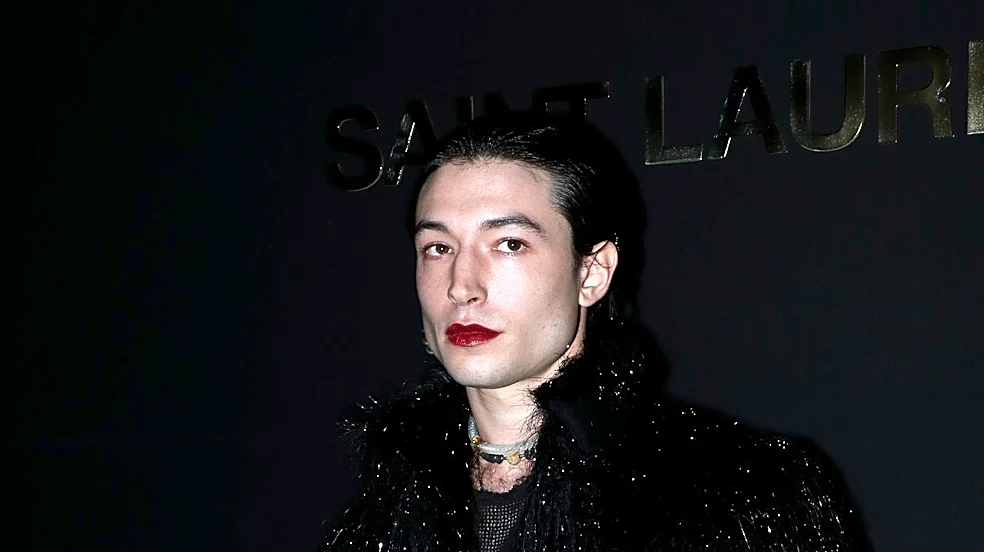
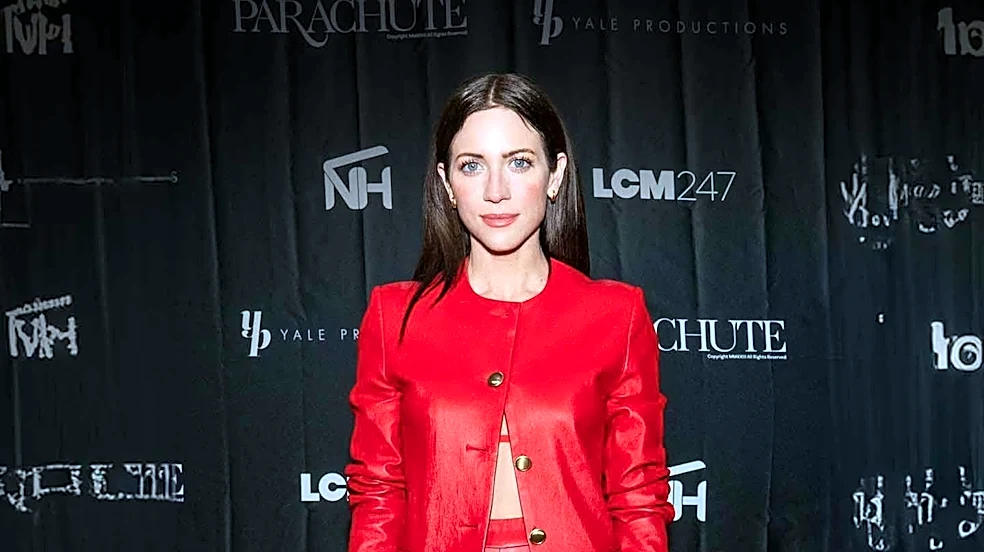
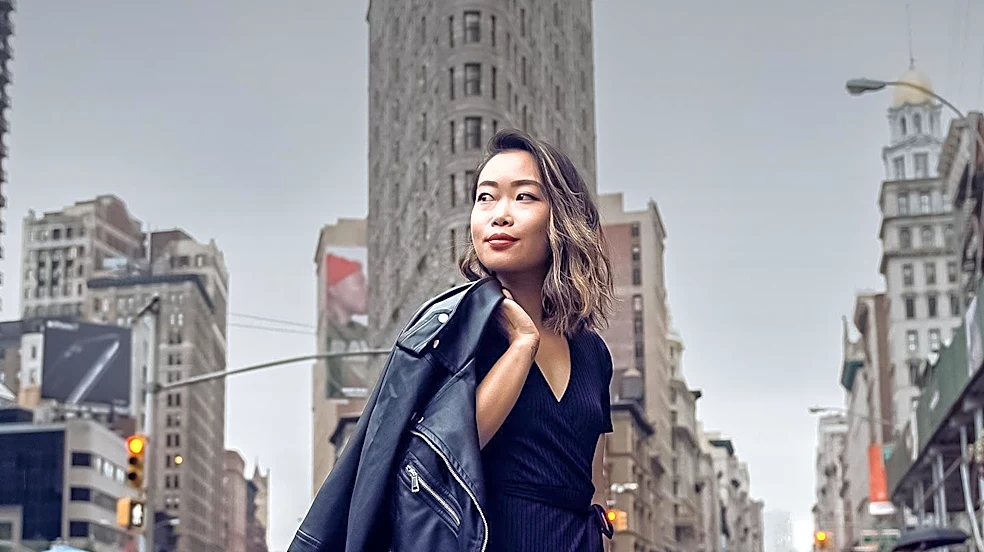
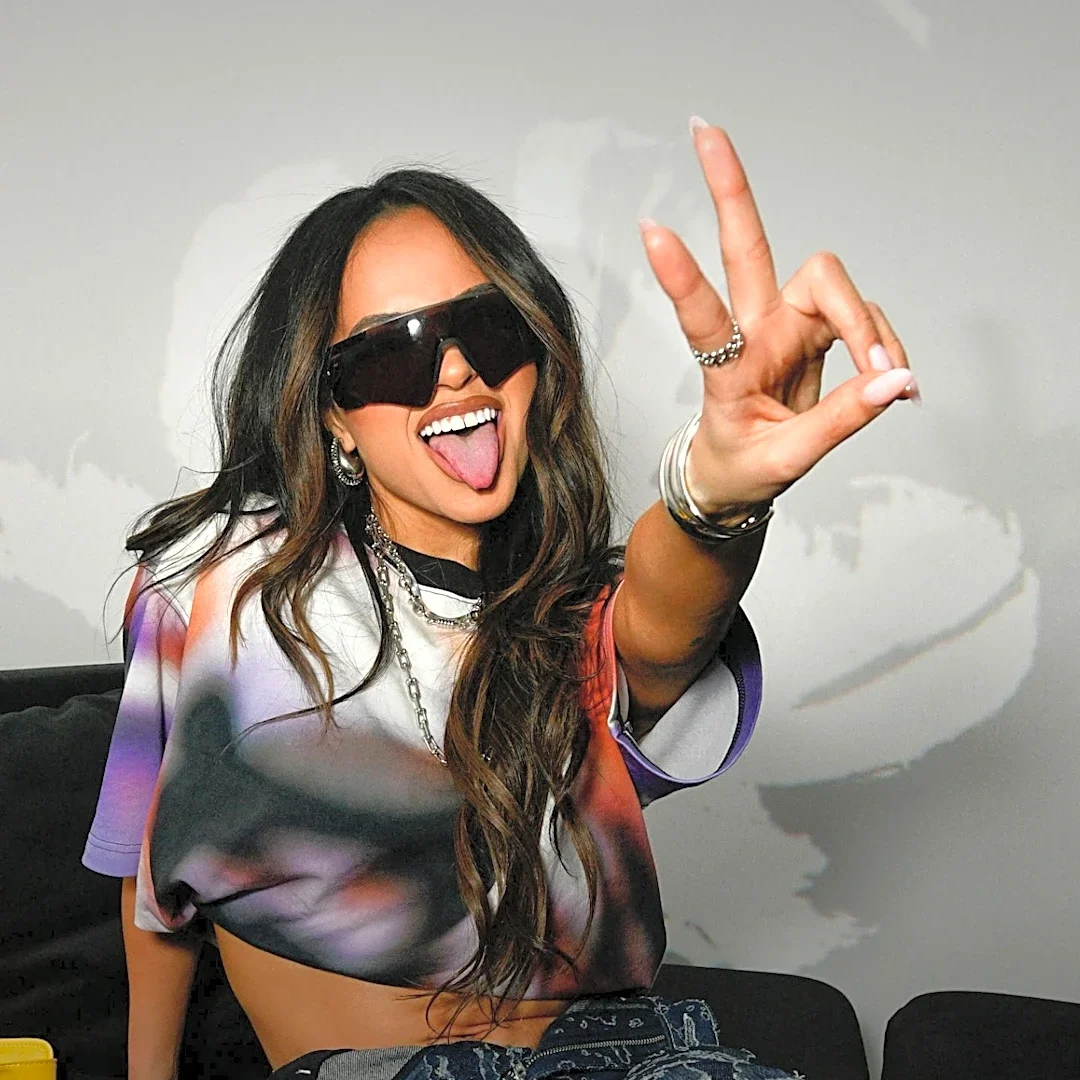
Fashion influencers are playing a crucial role in brand marketing and outreach, particularly in New York, a major hub for fashion, food, beauty, and culture. Influencer marketing agencies, such as Socially Powerful in New York, are managing comprehensive
creator campaigns from initial brief to final reporting. These agencies are responsible for selecting creators, handling contracts and content, running paid support, and measuring the revenue generated by each partnership. They leverage local market knowledge and creator insights to develop effective campaigns, focusing on connecting brands with influencers whose audiences align with the brand's target demographic. The process involves identifying creators who understand the New York market and can effectively tap into local trends to reach potential customers.
Why It's Important?
The reliance on fashion influencers highlights a significant shift in marketing strategies within the U.S. business landscape. Brands are increasingly recognizing the power of authentic connections that influencers can foster with their audiences, leading to more targeted and effective campaigns. This approach is particularly vital in competitive markets like New York, where tapping into local trends and consumer behaviors is key to brand visibility and sales. The ability of influencer marketing agencies to provide data-driven insights into audience demographics, engagement quality, and potential for fake activity helps brands optimize their marketing spend and ensure genuine reach. This strategy allows businesses to launch products, open stores, and grow brand awareness more efficiently by leveraging trusted voices within specific communities.
What's Next?
The influencer marketing sector is expected to continue its growth, with agencies focusing on refining their methods for identifying and vetting creators. Future developments will likely involve more sophisticated tools for audience analysis and campaign measurement, ensuring that brands can further optimize their return on investment. There will be an ongoing emphasis on aligning influencer values with brand values to maintain authenticity and foster deeper connections with consumers. Additionally, the industry will likely see continued efforts to promote diversity in fashion campaigns, reflecting a broader societal demand for inclusive representation. Brands will increasingly seek out 'storyfit' creators who can authentically integrate products into their narratives, moving beyond simple product placements to more organic endorsements.
Beyond the Headlines
The rise of fashion influencers also brings ethical and regulatory considerations to the forefront. The need for transparency in sponsored content, clear disclosure of partnerships, and the combatting of 'fake followers' are ongoing challenges. As influencer marketing becomes more integrated into mainstream advertising, regulatory bodies may increase scrutiny to protect consumers from deceptive practices. Furthermore, the dynamic nature of social media platforms means that strategies must constantly evolve, requiring brands and agencies to stay agile and innovative. The long-term impact could include a redefinition of traditional advertising, with a greater emphasis on community-driven marketing and personalized content, potentially shifting power dynamics from large media outlets to individual content creators.