




What's Happening?
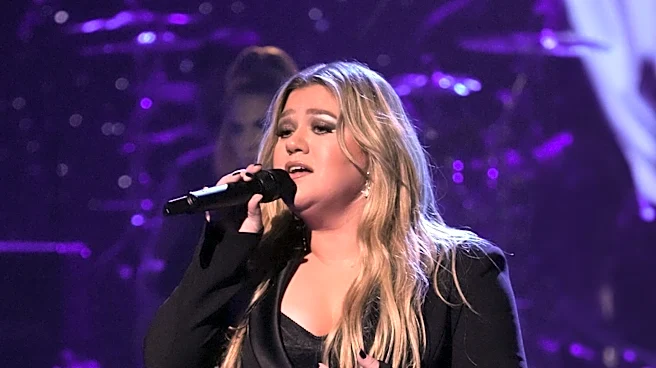
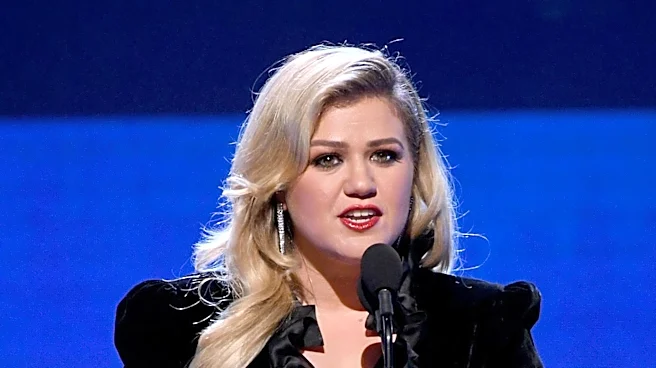
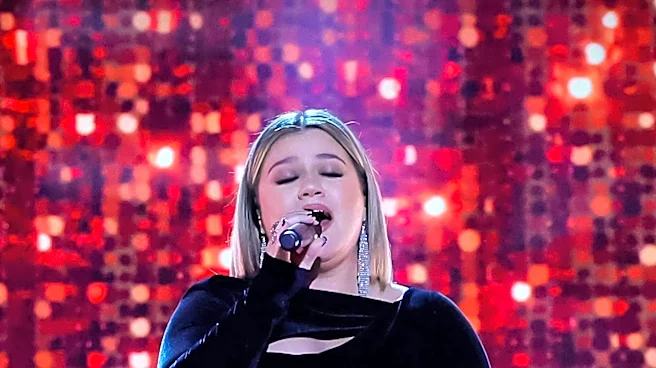
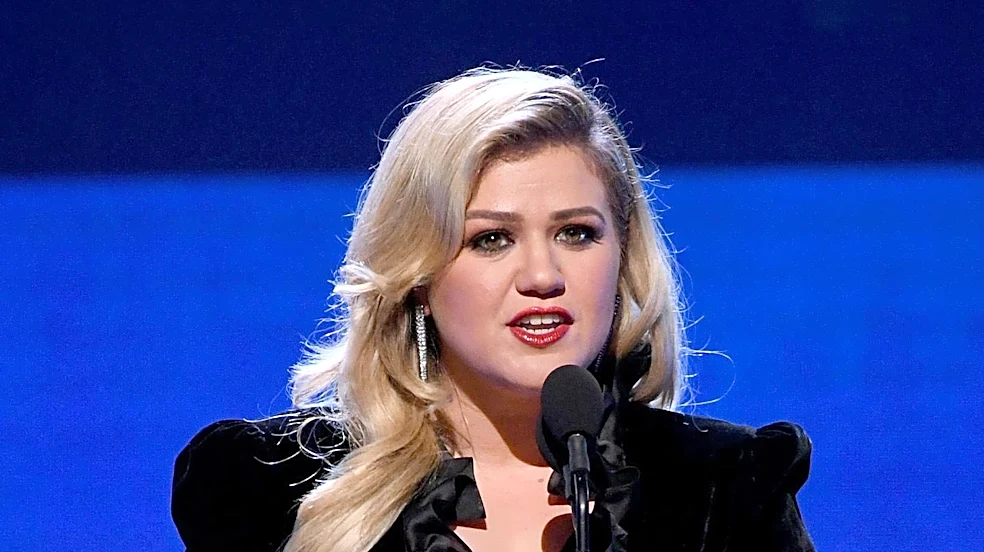
Kelly Clarkson is embroiled in a public dispute with Art of Play, a Brooklyn small business, over a $15,000 mechanical bird. Clarkson claimed she was treated dismissively by an employee, comparing the experience to a scene from 'Pretty Woman,' and alleged
the employee suggested she couldn't afford the item. She publicly criticized the store on social media, calling the employee an 'idiot' and stating the store lost a major sale. Art of Play responded, asserting the mechanical bird, named Molly, was not for sale as it is permanently attached to the wall and serves as a mascot. They clarified that a similar automaton could be purchased from its creator for $15,000 and offered Clarkson a different $2,000 singing bird, which she reportedly did not stay to see. Clarkson, however, doubled down on her claims, stating there was a price tag on the bird and accusing the store of lying and being rude. The store's co-owner, Adam Rubin, reported that his business has been bombarded with hateful messages and threats following Clarkson's social media posts.
Why It's Important?
This public spat highlights the significant influence celebrities wield through social media and the potential impact on small businesses. While Clarkson's fans largely support her, crisis PR experts like Steve Honig and Evan Nierman suggest that a prolonged dispute could damage her carefully cultivated relatable image. Nierman notes that while Clarkson has a deep reservoir of trust from her two decades of goodwill since 'American Idol,' continuing to argue with a small business over a luxury item could lead the public to question her character. The incident also underscores the double-edged sword of celebrity endorsements or criticisms; while a positive mention can boost a business, a negative one can lead to severe backlash, including online harassment and negative reviews, as experienced by Art of Play. The situation raises questions about the responsibility celebrities have when using their platforms to air personal grievances against smaller entities.
What's Next?
Crisis PR experts recommend that Kelly Clarkson should aim to move past this dispute to protect her public image. Evan Nierman suggests that Clarkson could ask her supporters to cease harassing the store, which would help her 'win the day' and come out ahead. Steve Honig advises Clarkson to 'declare victory and move on' to prevent the situation from escalating further and appearing as a celebrity using her platform against a small business. The store, Art of Play, has reportedly reached out to Clarkson directly to try and resolve the misunderstanding. The ongoing public commentary and the store's decision to humorously list Molly the bird for $15 million indicate that the story continues to capture public attention. The resolution, or lack thereof, will likely influence how both Clarkson and Art of Play are perceived in the immediate future, particularly regarding their handling of public relations and customer interactions.
Beyond the Headlines
Beyond the immediate conflict, this incident touches upon broader societal themes, including the power dynamics between celebrities and ordinary citizens or small businesses, and the evolving nature of customer service in the digital age. The comparison to Julia Roberts' character in 'Pretty Woman' by Clarkson herself, and echoed by some experts, highlights a persistent cultural narrative about judgment based on appearance and wealth. The dispute also brings to light the ethical considerations of using a massive social media platform to address personal grievances, especially when it can lead to a 'mob mentality' and real-world consequences for the targeted party. The incident could prompt a wider discussion on digital etiquette for public figures and the responsibilities that come with a large online following. It also subtly questions the authenticity of 'relatable' celebrity personas when confronted with perceived slights in high-end retail environments.