








What's Happening?
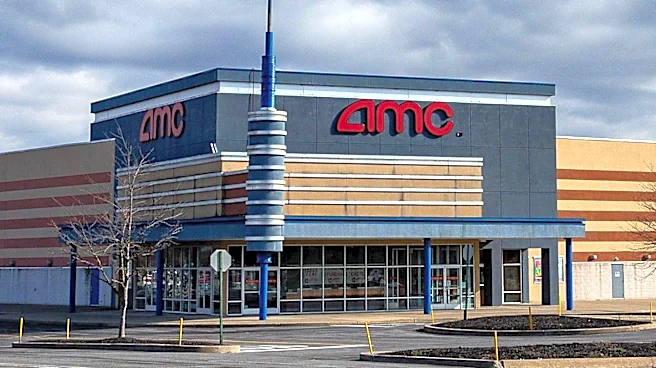
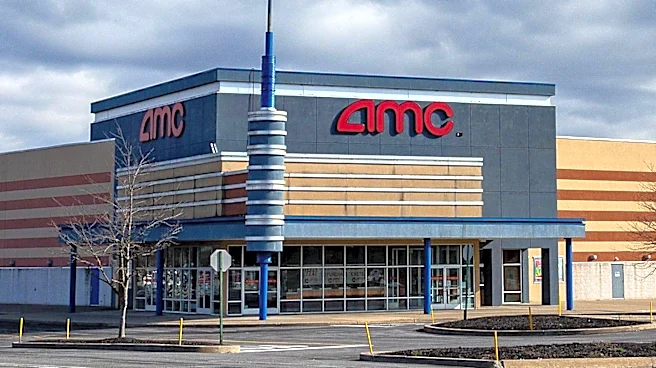
AMC Theatres has solidified its position as the largest U.S. movie theater chain, operating 6,958 screens across 524 locations as of June 30, 2026, according to FilmGrail. This figure places AMC approximately 1,500 screens ahead of its closest competitor,
Regal. Globally, AMC Entertainment is the world's largest theater company, managing 9,530 screens at 845 theaters in 11 countries, including Europe's Odeon circuit. The company, founded in Kansas City in 1920 and currently based in Leawood, Kansas, is led by Chairman and CEO Adam Aron. AMC is a publicly traded entity listed on the New York Stock Exchange. The company recently reported its highest quarterly revenue ever in the second quarter of 2026, reaching $1.60 billion, as per Wikipedia. This growth follows its 2016 acquisition of Carmike Cinemas for $1.1 billion, a deal that propelled AMC to the top spot in the U.S. industry.
Why It's Important?
AMC's dominant market share and record-breaking revenue signify a robust recovery and strategic success within the U.S. cinema industry, which has faced significant challenges in recent years. The company's aggressive expansion and focus on premium viewing experiences, such as its exclusive U.S. partnership with Dolby Cinema and the addition of 4DX and ScreenX auditoriums, are crucial for attracting audiences back to theaters. This strategy benefits not only AMC but also the broader film distribution ecosystem by providing state-of-the-art venues for new releases. The financial health of a major player like AMC can influence investment in film production and exhibition technology. Furthermore, its global reach as the world's largest theater company positions it as a key influencer in international film markets and exhibition standards. The continued success of AMC suggests a positive outlook for the theatrical experience, potentially encouraging more studios to prioritize big-screen releases.
What's Next?
AMC plans to continue its expansion of premium viewing options, with an additional 40 Dolby Cinema auditoriums scheduled through 2027. The company is also integrating 4DX and ScreenX auditoriums for the first time, further diversifying its offerings. Its long-standing partnership with IMAX, which included 70 traditional joint-revenue-sharing systems in 2025, is expected to continue. These strategic investments in technology and enhanced viewing experiences aim to maintain AMC's competitive edge and attract a wider audience. The company's financial performance in subsequent quarters will be closely watched to see if it can sustain its record revenue growth. Future developments may include further acquisitions or partnerships to consolidate its market position and explore new revenue streams, potentially including more diverse content offerings beyond traditional films.
Beyond the Headlines
AMC's strategic emphasis on premium formats like Dolby Cinema, 4DX, and ScreenX highlights a significant shift in the movie exhibition industry. In an era where streaming services offer convenient at-home viewing, theaters are increasingly relying on immersive and technologically advanced experiences to differentiate themselves. This trend suggests that the future of cinema may lie in providing an unparalleled sensory experience that cannot be replicated at home, transforming movie-going from a casual activity into a premium event. The success of this model could influence urban planning, as theaters become anchor tenants in entertainment districts, and impact film production, with studios potentially tailoring content to leverage these advanced exhibition technologies. The ethical implication lies in ensuring accessibility to these premium experiences, as higher ticket prices could inadvertently create a two-tiered system for moviegoers.