
What's Happening?
The United States is experiencing the largest intergenerational wealth transfer in its history, with approximately $124 trillion expected to change hands by 2048. This massive transfer is prompting families
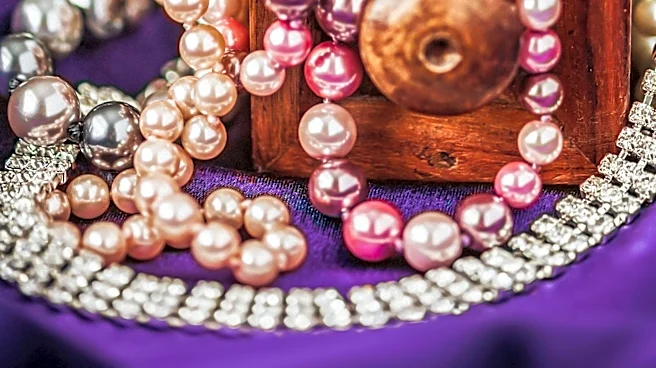
and advisors to reevaluate estate planning strategies, particularly concerning non-traditional assets like jewelry. Jewelry, often overlooked in estate planning, represents both significant financial value and personal sentiment. However, many collections lack proper documentation, leading to complications during probate and distribution. Krista Cavanaugh, a jewelry advisor, emphasizes the need for thorough documentation and valuation to prevent disputes and ensure fair distribution of these assets.
Why It's Important?
The focus on jewelry assets during this wealth transfer highlights the broader need for comprehensive estate planning that includes all types of assets. Jewelry, with its dual role as a financial and sentimental asset, requires careful management to avoid legal and familial conflicts. Proper documentation and valuation are crucial to ensuring that these assets are distributed according to the owner's intentions. This shift in focus may lead to increased demand for specialized advisory services and influence how estate planning is approached, potentially setting new standards for asset management and distribution.
Beyond the Headlines
The emphasis on jewelry in estate planning reflects a growing recognition of the complexities involved in managing diverse asset classes. As families navigate wealth transitions, the interplay between financial value and personal significance becomes more pronounced. This dynamic requires a nuanced approach that balances emotional considerations with financial logic. The evolving landscape of estate planning may also prompt legal and financial professionals to develop new tools and methodologies for managing non-traditional assets, ensuring that all aspects of an estate are addressed comprehensively.