



What's Happening?
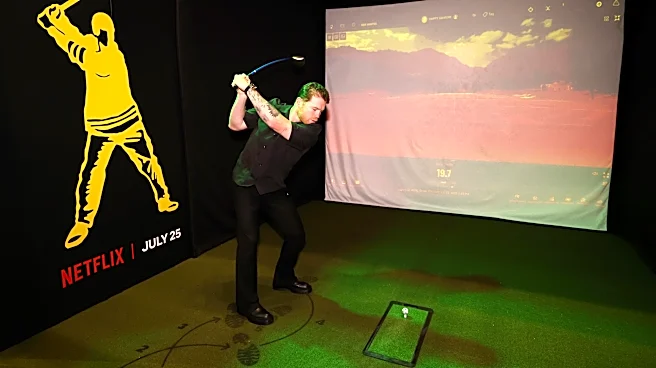
Golf simulator rooms are increasingly being designed with multi-purpose functionality, allowing them to serve as both dedicated practice studios and family entertainment spaces. This approach emphasizes flexible furniture arrangements and equipment that
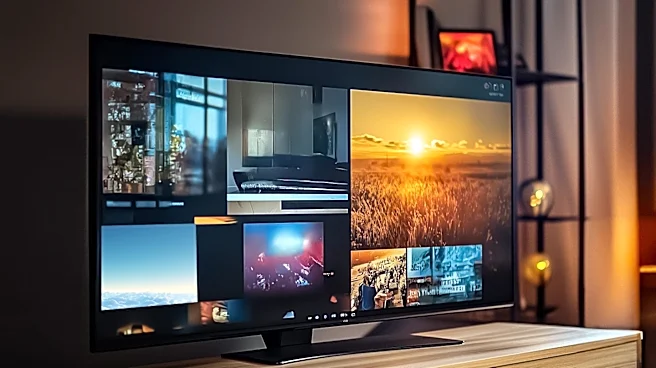
can support various activities beyond golf, such as movie viewing or sports entertainment. Key design considerations include ensuring the projector screen can be used for both golf and other media, and selecting movable furniture that does not permanently occupy the hitting area. Examples include compact side tables, flexible seating, and power sofa beds with adjustable depth, which can provide comfortable lounging without interfering with the simulator's safety zones. The goal is to create a versatile space that balances an unobstructed hitting area with comfortable viewing and lounge zones.
Why It's Important?
The evolution of golf simulator rooms into multi-purpose entertainment spaces reflects a growing demand for home environments that offer diverse recreational options. This trend is significant for homeowners seeking to maximize the utility of their living areas, especially in homes where dedicated single-purpose rooms are not feasible. By integrating golf practice with family entertainment, these rooms enhance the value and functionality of a property, catering to a wider range of interests and activities. This design philosophy also promotes social interaction, allowing family and friends to gather for various forms of entertainment in a single, adaptable space. It represents a shift towards more dynamic and flexible home design, where technology and comfort converge to create engaging and versatile recreational hubs.
What's Next?
The trend towards multi-purpose golf simulator rooms is expected to continue, with further innovations in adaptable furniture and integrated technology. Manufacturers may develop more seamless solutions for concealing or reconfiguring golf equipment when not in use, enhancing the room's aesthetic and functionality for other activities. There will likely be an increased focus on smart home integration, allowing users to easily switch between golf simulation, movie mode, or gaming setups with minimal effort. This could also lead to a broader market for modular and customizable home entertainment systems that cater to diverse hobbies and family needs. The emphasis on safety and comfort will remain paramount, driving advancements in protective netting and ergonomic seating solutions that support both active play and relaxed viewing.
Beyond the Headlines
The development of multi-purpose golf simulator rooms highlights a broader cultural shift towards personalized and integrated home entertainment. It reflects a desire for spaces that can adapt to individual and family needs, blurring the lines between recreation, relaxation, and even work. This trend also touches upon the psychological benefits of having a versatile home environment, where different activities can be pursued without the need for multiple dedicated rooms. Ethically, it encourages thoughtful consumption by promoting products and designs that offer long-term utility and adaptability, rather than single-use items. This approach could influence future residential architecture, fostering designs that prioritize flexibility and multi-functionality to meet the evolving demands of modern lifestyles.