



What's Happening?
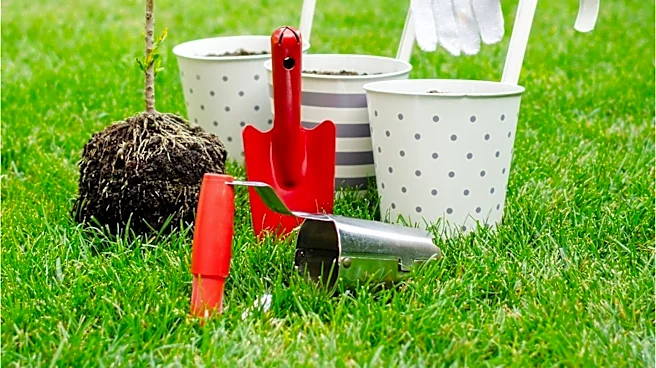
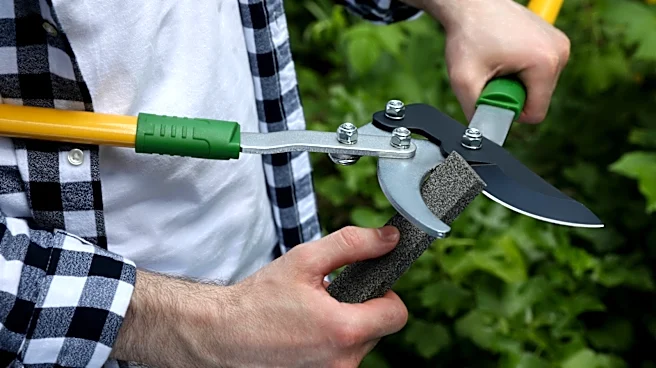
Gardenary has released comprehensive guidelines for maintaining gardening tools during the fall season to prevent rust and ensure their longevity. The process involves several key steps: scrubbing off soil, thoroughly drying each tool, removing any existing
rust with steel wool or sandpaper, disinfecting pruners with rubbing alcohol, sharpening blades, and applying a thin coat of oil to metal parts and wooden handles. The guide emphasizes the importance of complete drying to prevent rust formation and advises against using bleach on pruners due to its corrosive nature. For oiling, linseed oil is recommended as it is plant-based and suitable for both metal and wood. Proper storage in a dry spot, preferably hanging, is also highlighted as crucial for tool preservation. The article also touches on the benefits of copper-plated tools, noting their aesthetic appeal and durability when properly maintained.
Why It's Important?
Proper tool maintenance is crucial for gardeners as it directly impacts the efficiency and effectiveness of their work, as well as the health of their plants. Rust and dull blades can hinder gardening tasks, making them more difficult and less precise. Disinfecting pruners is particularly vital to prevent the spread of plant diseases, which can devastate a garden. By following these maintenance steps, gardeners can extend the life of their tools, saving money on replacements and ensuring they are always ready for use. This practice also promotes better plant health by reducing the risk of disease transmission and ensuring clean cuts that heal quickly. For both amateur and experienced gardeners, investing time in fall tool care translates into a more productive and healthier gardening experience in subsequent seasons.
What's Next?
Gardeners who follow these fall maintenance tips can expect their tools to be in optimal condition for the upcoming spring planting season. The sharpened blades will make clean cuts, reducing plant stress and promoting faster healing, while rust-free metal parts will operate smoothly and efficiently. The preserved wooden handles will remain comfortable to grip, enhancing the overall gardening experience. This proactive approach to tool care will likely lead to increased gardening productivity and enjoyment. Additionally, the practice of regular maintenance can instill a habit of care that extends to other gardening aspects, potentially leading to a more organized and efficient gardening routine year-round. The advice also implicitly encourages gardeners to inspect their tools regularly, fostering a more mindful approach to their gardening equipment.
Beyond the Headlines
The emphasis on tool care extends beyond mere functionality; it reflects a broader philosophy of sustainability and resourcefulness in gardening. By maintaining tools rather than frequently replacing them, gardeners contribute to reducing waste and minimizing their environmental footprint. The recommendation of plant-based linseed oil also aligns with eco-conscious practices. Furthermore, the act of caring for tools can foster a deeper connection between the gardener and their craft, promoting a sense of pride and ownership. This meticulous approach to equipment can also be seen as a metaphor for the care required in nurturing plants themselves, highlighting the interconnectedness of all elements within a garden ecosystem. It underscores that successful gardening is not just about planting, but also about the diligent upkeep of all its components.