


What's Happening?
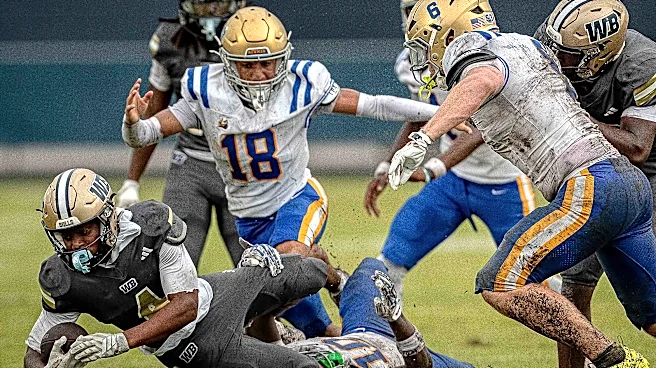
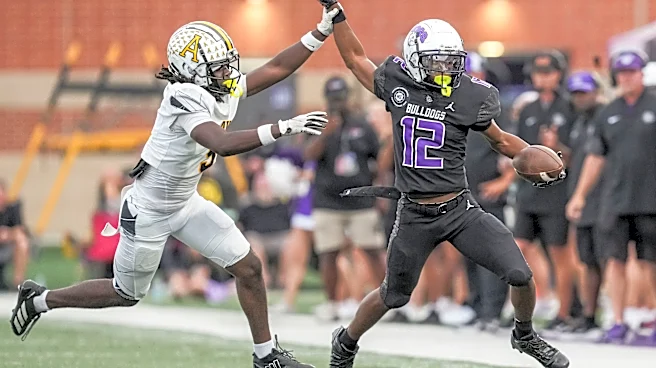
The Arizona Interscholastic Association (AIA) has introduced new policies requiring credentialing and offering training courses for independent content creators covering high school sports. This initiative addresses the growing number of young creators,
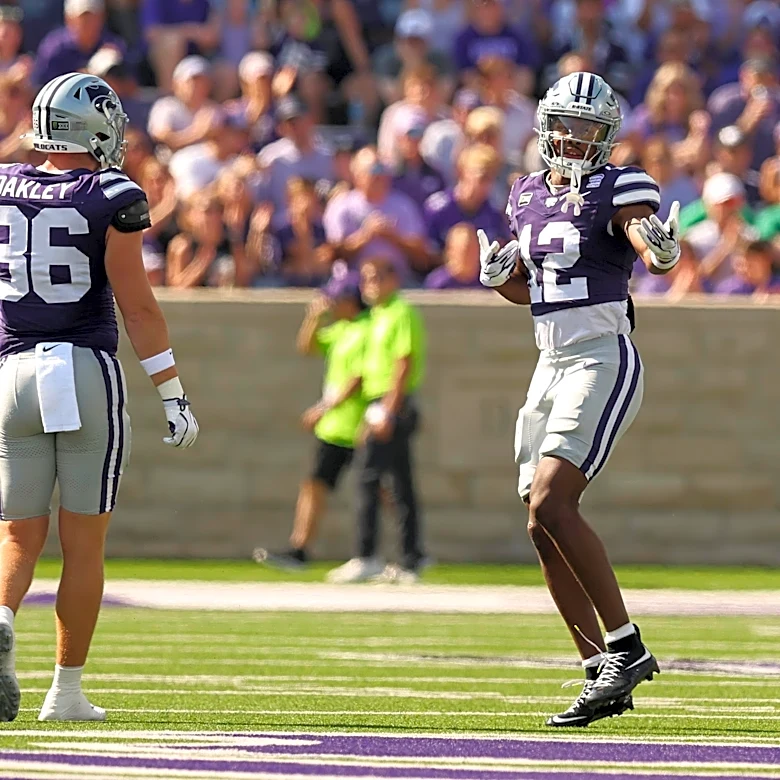
often dubbed 'pajama paparazzi' or 'backpack brigade,' who film and photograph high school athletic events for social media highlight reels. The AIA aims to establish proper sideline etiquette and ensure safety boundary awareness among these creators. While the AIA provides a credential system and training, individual schools retain the final discretion over who is allowed sideline access. Additionally, a new policy mandates that high school students working for professional outlets must secure approval or a letter of recommendation from their school's principal or athletic director. The rise of independent creators has significantly increased, with one professional noting a doubling in numbers from two years ago to the present.
Why It's Important?
This development is important for several reasons, primarily concerning the safety and professionalism surrounding high school sports events. The influx of independent content creators, many of whom are young and inexperienced, has raised concerns about potential disruptions and safety hazards on the sidelines. The AIA's new policies aim to mitigate these risks by educating creators on best practices and appropriate conduct, thereby protecting athletes, officials, and the creators themselves. For high school athletes, increased exposure through social media can be beneficial for recruitment and personal branding, but it also necessitates a structured environment to prevent exploitation or privacy issues. The involvement of professional media companies hiring high school students also highlights a growing trend in sports media, requiring clear guidelines to ensure ethical practices and proper supervision. This move by the AIA could set a precedent for other state athletic associations facing similar challenges with the evolving landscape of digital sports coverage.
What's Next?
The AIA will continue to implement and refine its credentialing and training programs for high school sports content creators. It is expected that more creators, both independent and those working for professional outlets, will undergo these training courses to gain sideline access. Individual schools will likely continue to exercise their discretion in granting access, potentially leading to varied enforcement across districts. The AIA also plans to vet creators and is prepared to revoke credentials if conduct standards are not met, indicating ongoing monitoring and enforcement. Professional outlets employing high school students will need to ensure they comply with the new requirement of obtaining school approval. This initiative may also lead to further discussions and policy developments regarding the role of social media and independent content creation in youth sports, potentially influencing how other states manage similar situations.
Beyond the Headlines
Beyond the immediate concerns of safety and etiquette, this situation reflects a broader cultural shift in how sports content is consumed and produced. The 'social media era' has empowered individuals to become content creators, blurring the lines between amateur and professional journalism. This trend presents both opportunities and challenges. On one hand, it democratizes media production and offers unprecedented exposure for high school athletes. On the other hand, it necessitates a re-evaluation of traditional media access rules, ethical guidelines, and the protection of minors in public-facing roles. The AIA's response highlights the need for institutions to adapt to new technologies and social behaviors while upholding core values of safety and integrity. This could also spark conversations about media literacy for young creators and the responsibilities that come with capturing and disseminating public events, particularly those involving minors.