






What's Happening?
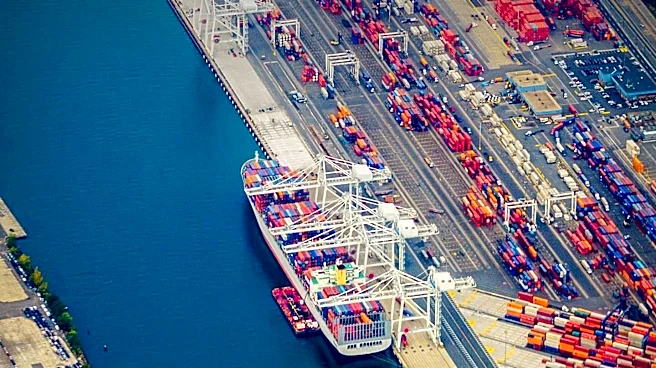
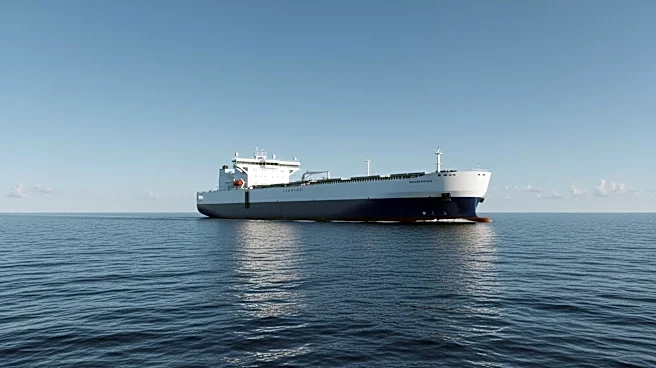
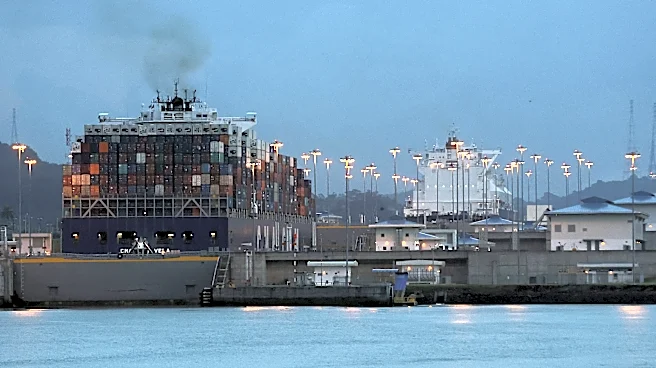
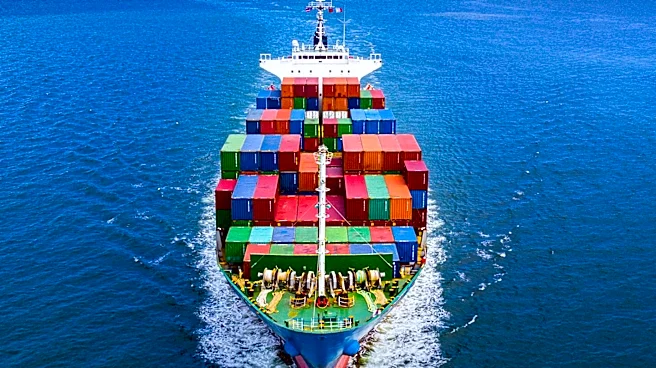
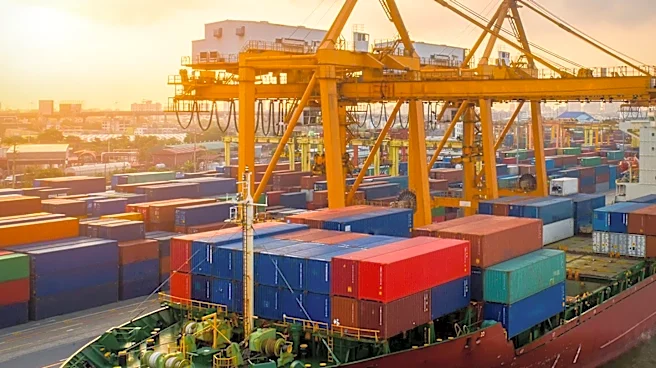
CMA CGM, Ocean Network Express (ONE), and Orient Overseas Container Line (OOCL) have introduced a new generation of containerships that incorporate advanced technologies aimed at improving environmental performance and operational efficiency. CMA CGM's
latest vessel, the CMA CGM Notre Dame, is the largest LNG-powered containership in the industry, boasting a capacity of 24,212 TEU. It features AI systems and digital navigation to optimize voyages and energy use. Meanwhile, OOCL's new vessel, the OOCL Wisdom, completed its first green methanol bunkering in Qingdao, China, and is the largest methanol dual-fuel container vessel. Ocean Network Express has also launched its S-Series vessels, designed for future fuel conversion and equipped with energy-saving technologies. These developments mark significant milestones in the maritime industry’s shift towards more sustainable operations.
Why It's Important?
The introduction of these advanced containerships represents a significant step towards reducing the environmental impact of global shipping, a major contributor to greenhouse gas emissions. By adopting LNG and methanol as alternative fuels, these vessels aim to lower carbon emissions and improve fuel efficiency. This shift is crucial as the shipping industry faces increasing pressure to meet international environmental standards and reduce its carbon footprint. The deployment of these vessels not only enhances the operational capabilities of the companies involved but also sets a precedent for the industry, encouraging further innovation and investment in sustainable maritime technologies. The move is likely to influence regulatory policies and inspire other shipping companies to adopt similar eco-friendly practices.
What's Next?
As these vessels begin their operations, they will serve as a testing ground for the effectiveness of alternative fuels and energy-saving technologies in real-world conditions. The success of these initiatives could lead to broader adoption across the industry, potentially accelerating the transition to greener shipping practices. Additionally, the companies involved are expected to continue investing in similar technologies, expanding their fleets with more eco-friendly vessels. This trend may also prompt regulatory bodies to introduce stricter environmental standards, further driving the industry towards sustainability. Stakeholders, including environmental groups and policymakers, will likely monitor these developments closely to assess their impact on global shipping emissions.