







What's Happening?
The U.S. Department of Energy (DOE) has announced a $75 million allocation to support five projects aimed at extracting rare earth elements and other critical materials from coal and coal-based feedstocks. This funding, part of the DOE's Office of Critical
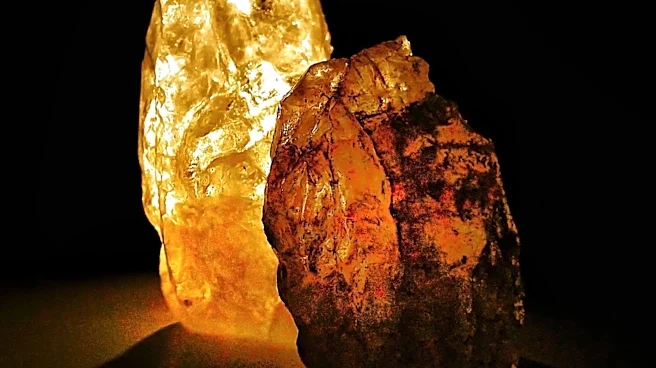
Minerals and Energy Innovation, is intended to support pilot-scale facilities under the Mines & Metals Capacity Expansion initiative. The selected projects, overseen by the National Energy Technology Laboratory, include institutions such as the University of North Dakota and companies like Valor Metals and Peabody Energy. These facilities are expected to produce market-ready critical materials, including rare earth elements, germanium, gallium, and aluminum.
Why It's Important?
This initiative is significant as it aims to bolster domestic production of critical materials, reducing reliance on foreign sources. By utilizing coal and coal byproducts, the U.S. can enhance its supply chain resilience for essential minerals used in various industries, including technology and defense. The funding reflects a broader commitment to strengthening the U.S. coal sector and aligns with the current administration's efforts to support coal infrastructure. This move could potentially mitigate financial risks associated with commercial deployment and stimulate economic growth in regions involved in these projects.
What's Next?
Further selections under the Mines & Metals Pilots—All Industries category are anticipated, which could expand the scope of this initiative. The DOE's ongoing efforts, including nearly $1 billion announced in August 2025 for advancing mining and processing technologies, suggest continued investment in the critical minerals supply chain. Stakeholders in the energy and mining sectors may respond with increased interest in developing similar projects, potentially leading to more innovations in extracting and processing critical materials.