







What's Happening?
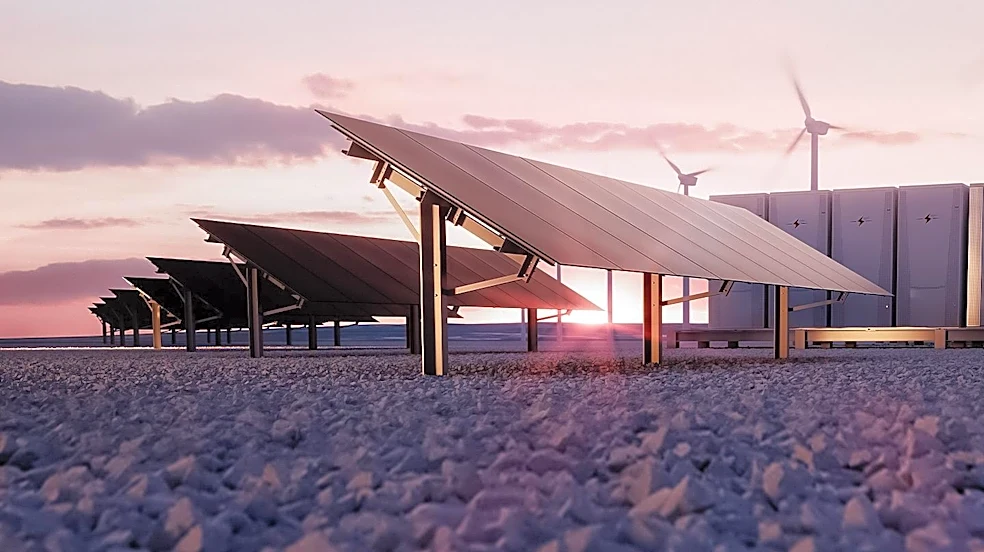
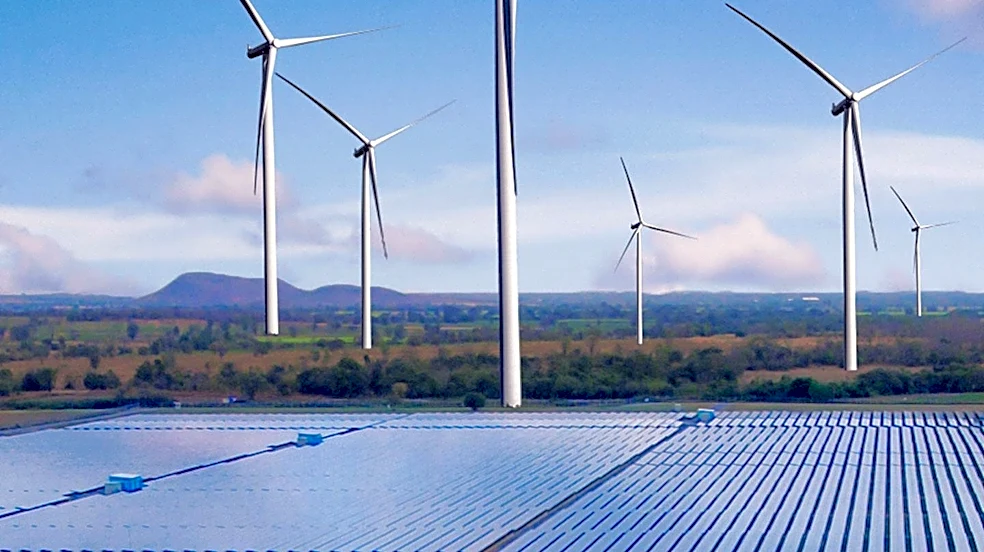
Mexico's state power utility is set to approve up to 60 alternative energy projects, primarily solar, with a total investment potentially reaching $12.5 billion. These projects are expected to add 8.2 GW of new generation capacity to the country's grid.
This initiative aligns with President Claudia Sheinbaum's energy policies, which prioritize wind and solar power and aim for a total of 32 GW in new power generation capacity by 2030. While the state utility is mandated to generate at least 54% of the country's electricity, the remaining 46% is open to private generators. Energy Minister Luz Elena Gonzalez has indicated that private companies are prepared to invest $4.75 billion in 20 separate projects to build 3.32 GW of alternative generation capacity. The government's strategy includes a significant increase in solar, geothermal, and wind capacity over the next four years, targeting a 140% increase in solar, 90% in geothermal, and 70% in wind.
Why It's Important?
This significant investment in renewable energy marks a pivotal shift in Mexico's energy landscape, aiming to reduce its reliance on natural gas imports and enhance energy security. By expanding its renewable energy infrastructure, Mexico can mitigate the volatility of global energy markets and contribute to global climate goals. The involvement of private companies in these projects signals a more open and collaborative approach to energy development, potentially attracting further foreign investment and technological expertise. For the U.S., a more energy-independent Mexico could lead to greater regional stability and new opportunities for cross-border energy collaborations, particularly in renewable energy technologies and grid integration. However, challenges such as grid upgrades and transmission costs remain, which could impact the efficiency and cost-effectiveness of these new projects.
What's Next?
The Federal Electricity Commission is expected to greenlight these projects, with the exact number of approved initiatives to be confirmed. Following approval, the focus will shift to the implementation and construction phases of these solar and wind farms. The Mexican government will need to address existing grid bottlenecks and invest in transmission infrastructure to effectively integrate the new generation capacity into the national grid. Additionally, the administration will continue to balance its renewable energy push with its goal of increasing oil production to 1.8 million barrels per day by 2030, indicating a diversified energy strategy. The success of these projects will likely influence future investment decisions in Mexico's energy sector, both from public and private entities.
Beyond the Headlines
Beyond the immediate economic and environmental benefits, Mexico's aggressive pivot towards renewable energy has broader implications for its industrial development and international standing. The emphasis on clean energy could attract industries seeking sustainable power sources, bolstering Mexico's position in global supply chains, particularly in sectors like manufacturing and technology. This move also positions Mexico as a leader in renewable energy adoption within Latin America, potentially inspiring similar initiatives in neighboring countries. However, the dual strategy of increasing both renewable energy and oil production highlights the complex energy transition challenges faced by developing nations, balancing economic growth and energy security with environmental sustainability. The long-term success will depend on effective policy implementation, technological innovation, and robust infrastructure development.