







What's Happening?
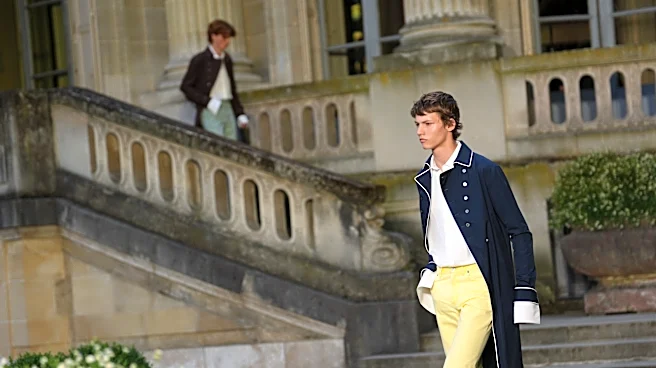
During the Paris men's fashion shows, a heat wave has prompted some designers to adjust their showtimes to avoid the intense afternoon sun. Despite the sweltering conditions, a subset of fashion enthusiasts, known as 'summer goths,' remain committed to their distinctive
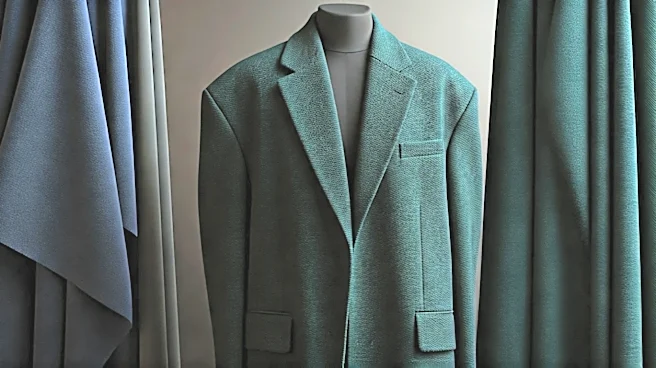
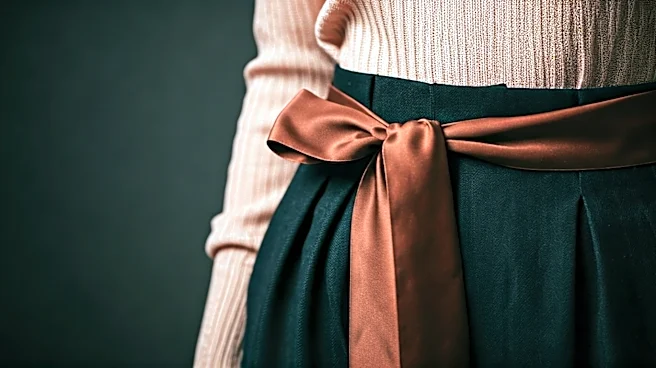
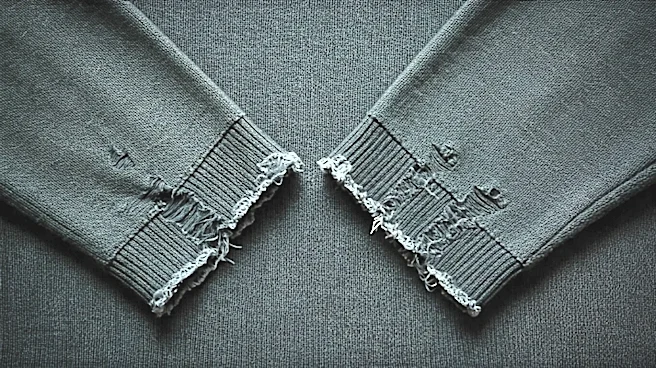
style. These individuals, often fans of Japanese avant-garde designers like Noir Kei Ninomiya, Junya Watanabe, and Comme des Garçons, choose to wear voluminous and heavy garments that defy typical summer attire. Writer Kristen Bateman, a notable figure in fashion week street style, exemplifies this trend by opting for layered, avant-garde outfits over traditional summer wear. This commitment to style over comfort highlights a unique fashion subculture that thrives on creativity and individuality, even in challenging weather conditions.
Why It's Important?
The persistence of the summer goth style amidst a heat wave underscores the influence of fashion subcultures in shaping industry trends. This phenomenon highlights the dedication of fashion enthusiasts to maintain their aesthetic identity, regardless of practicality. It also reflects the broader fashion industry's ability to adapt and innovate in response to environmental challenges. The commitment to style over comfort can drive new design trends, encouraging designers to create garments that balance aesthetic appeal with functionality. This trend may influence future fashion collections, pushing designers to explore new materials and techniques that accommodate both style and climate considerations.
What's Next?
As the fashion industry continues to navigate the challenges posed by climate change, designers may increasingly focus on creating collections that are both stylish and climate-appropriate. The summer goth trend could inspire designers to experiment with lightweight materials that maintain the aesthetic of heavier garments. Additionally, fashion events may implement more adaptive measures, such as altering show schedules or venues, to accommodate extreme weather conditions. The ongoing dialogue between fashion and climate considerations is likely to influence future industry practices, encouraging a more sustainable and adaptable approach to fashion design.
Beyond the Headlines
The summer goth trend also raises questions about the cultural significance of fashion as a form of self-expression. This subculture challenges conventional norms of seasonal dressing, emphasizing the role of fashion in personal identity and cultural commentary. The trend highlights the tension between individual expression and societal expectations, prompting discussions about the role of fashion in navigating these dynamics. As climate change continues to impact global weather patterns, the fashion industry may increasingly serve as a platform for exploring and addressing these broader cultural and environmental issues.