




What's Happening?
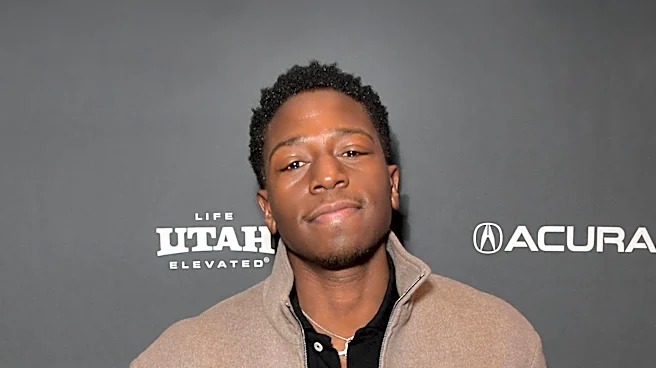
Actor Aaron Pierre recently shared how he connected with co-star Margaret Qualley by discussing his experience with Obsessive-Compulsive Disorder (OCD). Pierre revealed that he opened up to Qualley about his long-term navigation of OCD and how he has
learned to live with it in a way that serves him rather than limits him. He emphasized the importance of having the right support system in his life. While Pierre disclosed his personal struggles, he respected Qualley's privacy by not revealing what she shared with him, stating that it is her decision to disclose personal information. This interaction highlights a deep level of trust and personal connection formed between the two actors during their collaboration.
Why It's Important?
This personal revelation from Aaron Pierre underscores the growing trend of public figures openly discussing mental health challenges, which can significantly impact public perception and reduce stigma. By sharing his journey with OCD, Pierre contributes to normalizing conversations around mental health, potentially encouraging others who struggle with similar conditions to seek support and understand that they are not alone. For the entertainment industry, such candidness among actors can foster more authentic and supportive working environments. It also demonstrates how shared vulnerabilities can build stronger professional and personal relationships, leading to more nuanced and empathetic performances on screen. This openness can also inspire fans and the general public to approach mental health discussions with greater understanding and compassion.
What's Next?
While the immediate impact is a deeper understanding of the bond between Pierre and Qualley, this public sharing could lead to broader discussions about mental health in the entertainment industry. Other actors and public figures might be encouraged to share their own experiences, further destigmatizing mental health conditions. This could also prompt mental health organizations to collaborate with celebrities to raise awareness and provide resources. For Pierre, this disclosure might lead to opportunities to advocate for mental health awareness, potentially through partnerships with relevant charities or public speaking engagements. The conversation could also influence future roles, with actors potentially seeking out projects that sensitively portray mental health issues.
Beyond the Headlines
The candid discussion of OCD between Aaron Pierre and Margaret Qualley goes beyond a simple anecdote, touching upon the broader societal implications of mental health transparency. In an industry often characterized by curated public images, such honesty can challenge conventional norms and promote a culture of authenticity. It highlights the therapeutic power of shared experiences and mutual understanding, even in professional settings. This interaction also subtly advocates for empathy and support systems, suggesting that personal struggles, when acknowledged and discussed, can become sources of strength and connection rather than isolation. It underscores the idea that vulnerability can be a catalyst for deeper human connection and a more inclusive understanding of well-being.