





What's Happening?
Minneapolis and St. Paul have been listed among the nation's top sports cities, according to a ranking compiled by WalletHub, a personal finance website. Minneapolis secured the 16th position, while St. Paul followed at 36th. The study evaluated 399 cities across
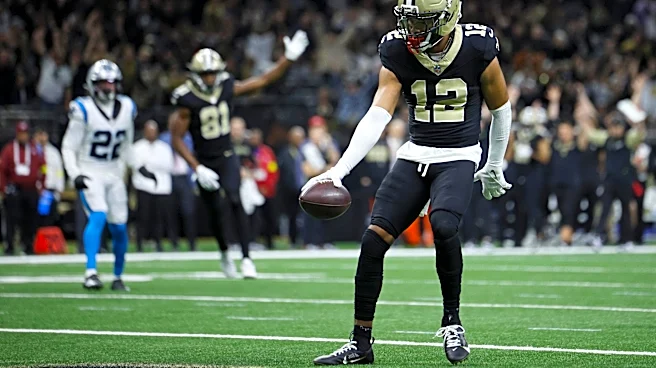
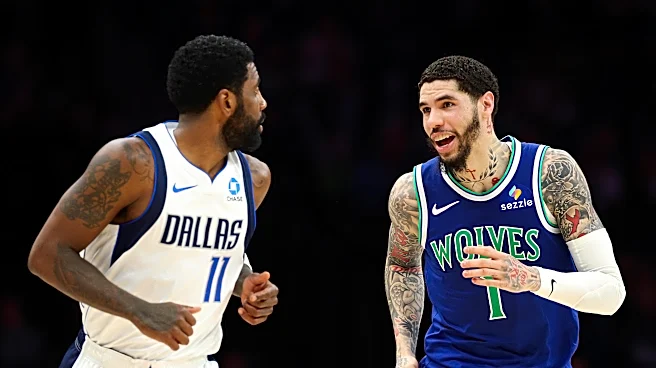
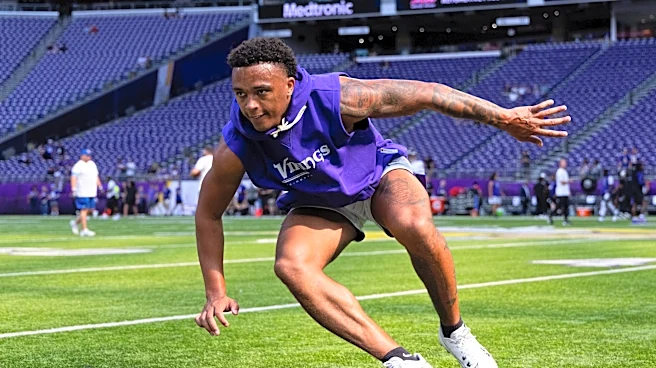
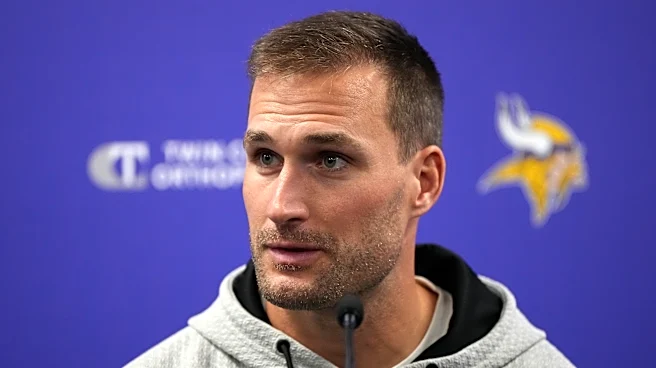
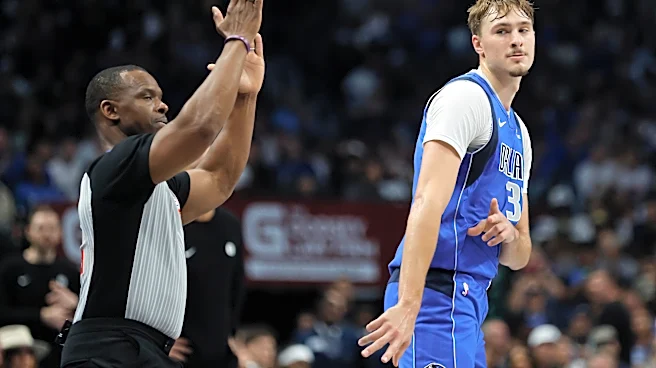
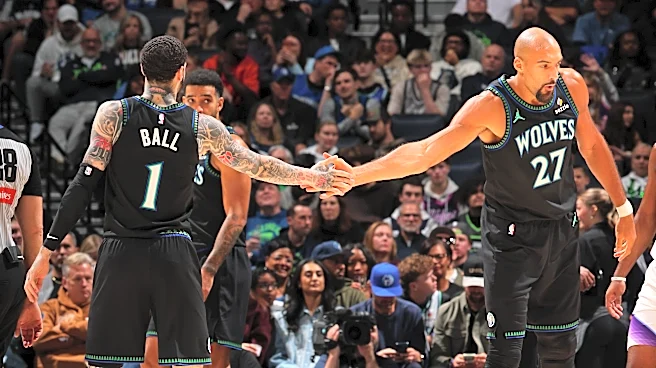
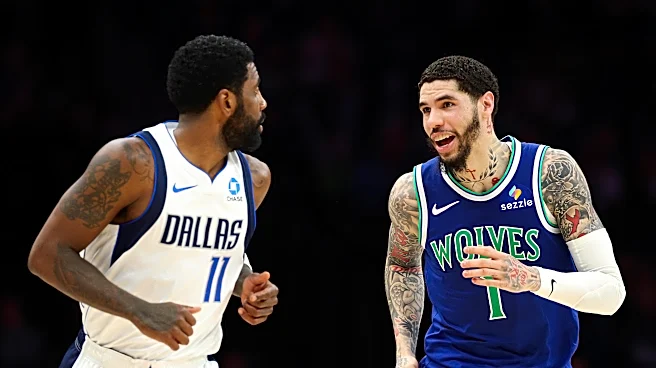
50 metrics, focusing on professional and collegiate sports in football, baseball, basketball, soccer, and hockey. Key data points included the number of teams, championships won, franchise valuations, game attendance, and stadium capacities. The Twin Cities are home to numerous professional sports teams, such as the Twins, Timberwolves, Vikings, Wild, Lynx, and MN United, along with collegiate programs like the Gophers and Frost. Despite recent disappointing performances by teams like the Vikings and an injury to Anthony Edwards, the ranking suggests a strong underlying sports culture and infrastructure in the area. Four other Minnesota cities—Bemidji, St. Cloud, Duluth, and Mankato—also appeared on the list, though at much lower ranks.
Why It's Important?
This recognition highlights the significant role sports play in the cultural and economic landscape of Minneapolis and St. Paul. A high ranking in sports cities can attract tourism, boost local economies through game attendance and related spending, and foster a strong sense of community identity and pride. For residents, it means access to a wide array of professional and collegiate sporting events, contributing to the quality of life. For businesses, particularly those in hospitality, retail, and media, a vibrant sports scene translates into increased revenue and opportunities. The inclusion of multiple Minnesota cities in the ranking also underscores the broader regional appeal and investment in sports, potentially influencing future infrastructure development and sports-related ventures. This positive external validation from WalletHub could serve as a marketing tool for the cities, drawing in new residents and businesses who value a dynamic sports environment.
What's Next?
The positive ranking could lead to increased attention and investment in sports facilities and related urban development projects in Minneapolis and St. Paul. City officials and sports organizations may leverage this recognition to attract more major sporting events, tournaments, and potentially new franchises. Local businesses could see a sustained boost in patronage, especially those catering to sports fans. Furthermore, the ranking might encourage greater community engagement with local teams and sports programs, potentially leading to higher attendance rates and stronger fan bases. The ongoing performance of local teams will continue to influence public perception, but the underlying infrastructure and fan support highlighted by WalletHub's study suggest a resilient sports market. Future rankings will likely continue to monitor these metrics, providing ongoing insights into the evolving sports landscape of the Twin Cities.
Beyond the Headlines
The WalletHub ranking, while based on quantitative metrics, also touches upon the intangible value of sports in urban life. Beyond economic impact, sports foster social cohesion, provide shared experiences, and can be a source of collective identity and resilience for a city. The mention of fan sentiment despite recent team performance suggests that loyalty and engagement run deep, indicating a strong cultural attachment to sports. This deep-seated connection can contribute to civic pride and community well-being, even during challenging times for individual teams. The methodology, which considers factors like championships and franchise valuations, also implicitly acknowledges the blend of historical success and ongoing financial health that defines a top-tier sports city. This holistic view suggests that a city's sports identity is a complex interplay of past achievements, current engagement, and future potential.