
What's Happening?
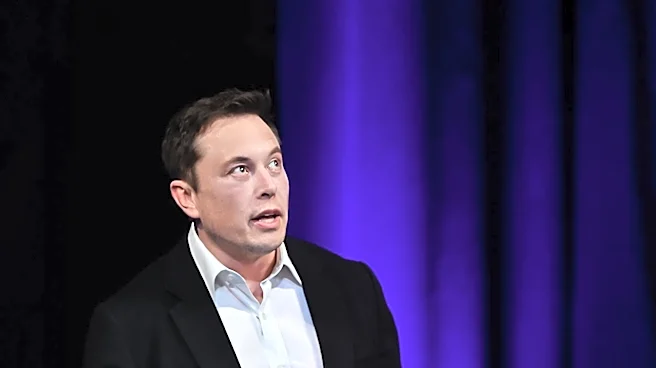
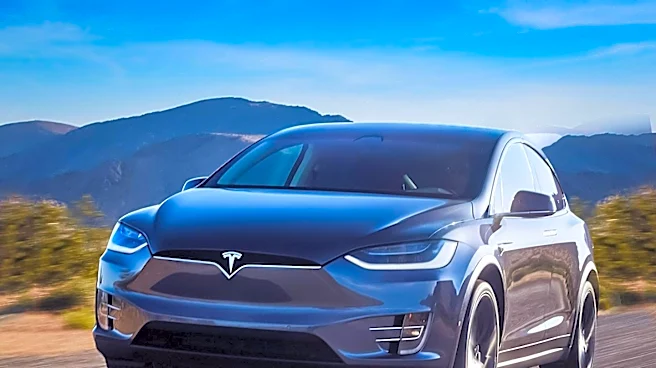
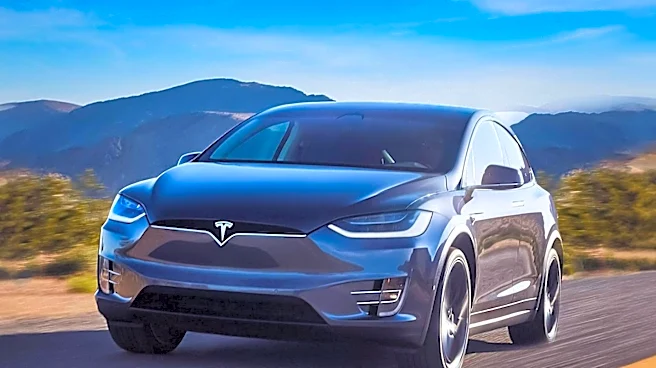
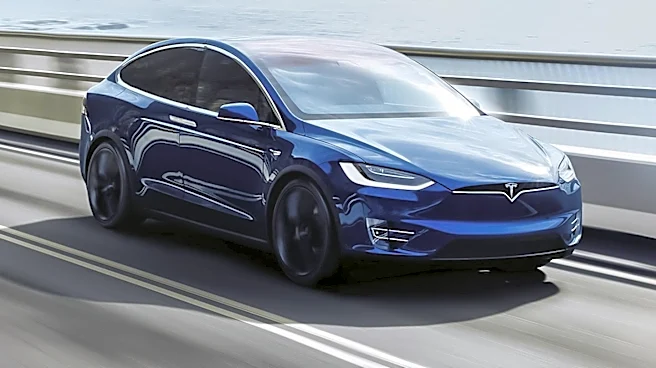
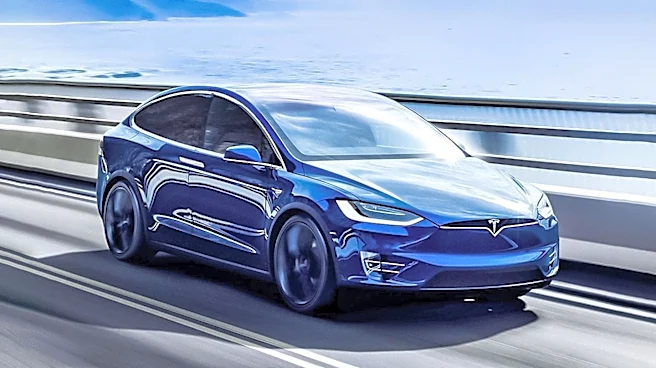
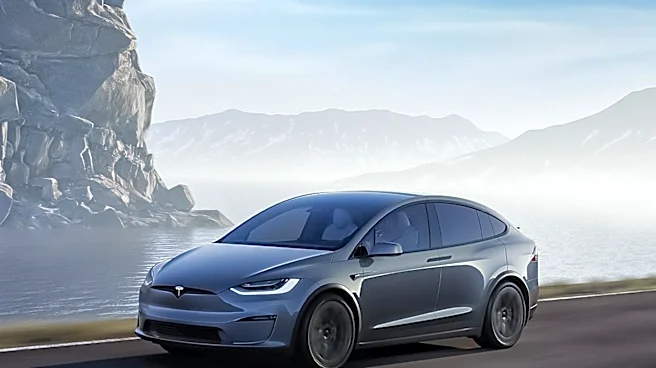
Tesla CEO Elon Musk has announced plans to integrate Grok AI and real-time information from X into Tesla's navigation system. This new functionality aims to provide drivers with optimal transport experiences by combining traffic knowledge shared across
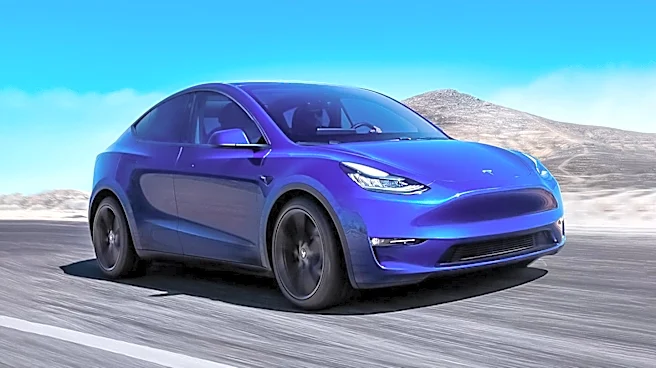
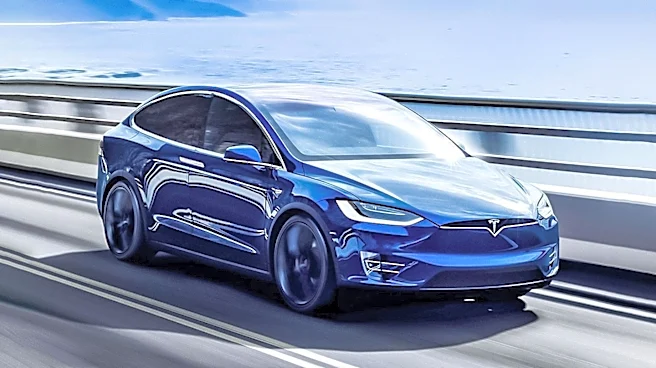
Tesla's vehicle fleet with live updates from X. The integration will allow the navigation system to identify traffic problems and other events affecting a trip, as well as offer information about what is happening at the destination. This development follows the rollout of Full Self-Driving (FSD) v15, which already introduces significant changes to Tesla’s navigation and driving visualization. While FSD v15 uses route preferences learned from the vehicle fleet to improve navigation, the Grok and X integration will expand this capability to the entire route. Musk did not specify a launch timeline for this new feature or whether it would be part of FSD v15.
Why It's Important?
This integration marks a significant step in Tesla's strategy to develop its own AI-powered maps and navigation system, reducing reliance on traditional mapping services. By leveraging real-time data from its vast fleet and the dynamic information flow from X, Tesla aims to offer a more predictive and informative navigation experience. This could enhance driver safety and efficiency by providing more accurate traffic predictions and destination insights. For the automotive industry, this move highlights a growing trend towards proprietary, AI-driven navigation solutions that utilize vehicle-generated data. It also positions Tesla as a leader in integrating advanced AI capabilities directly into vehicle operational systems, potentially setting a new standard for in-car technology and user experience. Competitors may be compelled to accelerate their own AI development to keep pace with these advancements.
What's Next?
While a specific launch date for the Grok and X integration has not been provided, its eventual rollout will likely be a phased approach, potentially starting with beta testers before a wider release. Tesla will need to ensure seamless integration of these complex AI systems with its existing vehicle software and hardware. The company will also likely focus on refining the accuracy and reliability of the real-time data feeds from X and the traffic knowledge shared by its fleet. User feedback will be crucial in iterating and improving the system. Furthermore, this development could pave the way for more advanced AI features within Tesla vehicles, potentially extending beyond navigation to other aspects of the driving experience, such as predictive maintenance or personalized in-car services.
Beyond the Headlines
The integration of Grok AI and X into Tesla's navigation system raises broader implications regarding data privacy and the future of connected vehicles. The extensive collection and sharing of traffic knowledge across Tesla's fleet, combined with real-time social media data, could lead to unprecedented levels of insight into traffic patterns and public events. This data could be invaluable for urban planning and emergency services, but it also necessitates robust data governance and privacy protocols. Ethically, the use of real-time social media feeds for navigation could introduce biases or misinformation if not carefully curated. Legally, questions may arise regarding data ownership and the responsibilities of companies handling such vast amounts of real-time information. This move also underscores the increasing convergence of automotive technology, artificial intelligence, and social media platforms, potentially reshaping how we interact with our vehicles and the digital world.