





What's Happening?
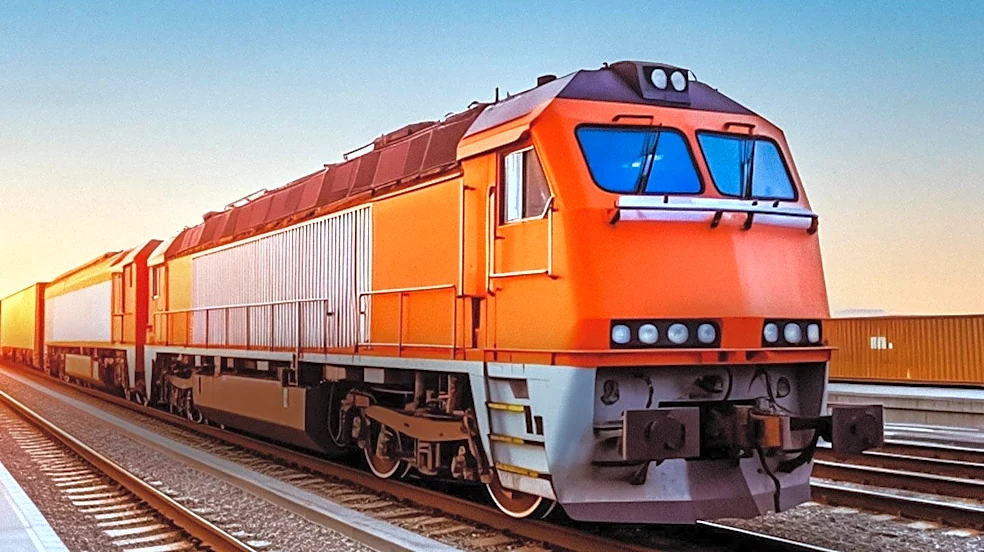
A recent survey commissioned by Giesecke+Devrient (G+D) indicates that the U.S. rail freight industry is being held back by a significant 'visibility gap.' The research, which surveyed 500 logistics, transportation, and supply chain decision-makers, found
that 84% of U.S. shippers would increase their use of rail if they had better visibility into goods in transit. However, only 23% of these shippers can continuously monitor both the location and condition of goods moving by rail. This contrasts sharply with other modes of transport like trucking, where electronic logging devices provide digital tracking infrastructure. Railcars typically lack such onboard power and specialized equipment, making real-time tracking more challenging. The Federal Railroad Administration (FRA) reports that rail accounts for 28% of U.S. freight movement, highlighting its substantial role in the nation's supply chain.
Why It's Important?
The 'visibility gap' in U.S. rail freight poses a significant challenge to the industry's potential growth and efficiency. Rail offers substantial advantages, including being at least four times more fuel-efficient than trucking, encountering less congestion, and being involved in fewer accidents. It also provides cost-effectiveness over long distances and helps companies reduce Scope 3 emissions. The inability to provide continuous, real-time data on cargo location and condition means that shippers are less likely to fully utilize rail, potentially shifting freight to other, less efficient modes. This not only impacts the rail industry's revenue and expansion but also affects broader supply chain reliability, especially for time-sensitive or high-value goods like perishables, pharmaceuticals, and hazardous materials. Improving visibility could unlock significant economic and environmental benefits for the U.S.
What's Next?
To address the visibility gap, the U.S. rail industry will likely need to invest in advanced connected asset technologies. These solutions, such as rugged sensors powered by solar or long-life batteries, can provide continuous data on location, condition, and potential incidents like shocks, door openings, or temperature excursions. Such technology would enable real-time alerts, allowing shippers to intervene sooner in cases of disruption or theft, and provide crucial data for investigations and insurance claims. The survey also highlighted that 90% of respondents are concerned about cargo theft, suggesting that enhanced visibility could significantly improve security and reduce losses. The industry's ability to adopt these technologies will determine its competitiveness and growth trajectory against other freight modes in the coming years.
Beyond the Headlines
The challenge of freight visibility in the U.S. rail industry extends beyond mere tracking; it touches upon fundamental shifts in supply chain expectations and technological integration. The traditional model of data collection at fixed checkpoints is no longer sufficient for modern supply chains that demand continuous, granular information. This push for 'trusted data' from connected assets, rather than just location, signifies a broader trend towards data-driven decision-making and automation in logistics. The ethical implications of enhanced surveillance on cargo, while beneficial for security and efficiency, also raise questions about data privacy and ownership within the supply chain ecosystem. Furthermore, the adoption of these technologies could lead to a more resilient and environmentally sustainable freight network, aligning with national goals for infrastructure modernization and emissions reduction.