




What's Happening?
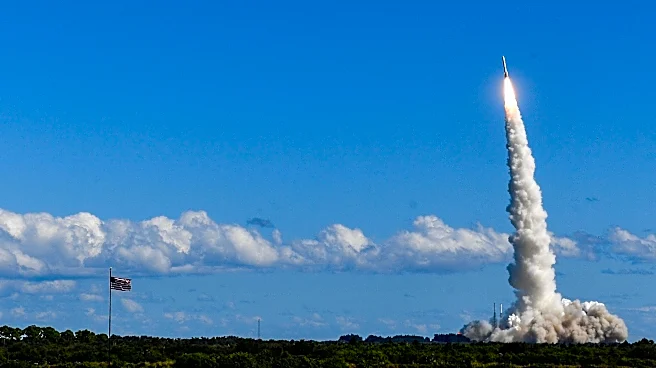
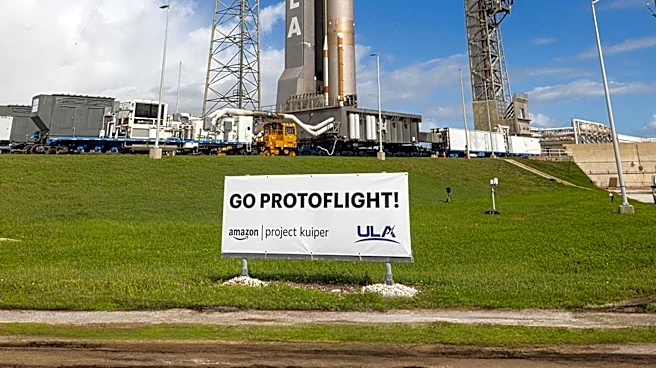
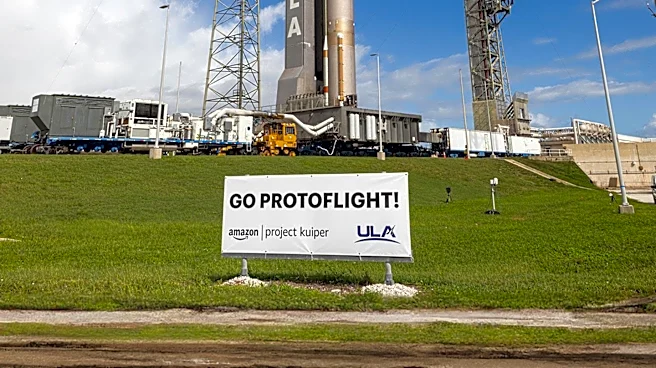
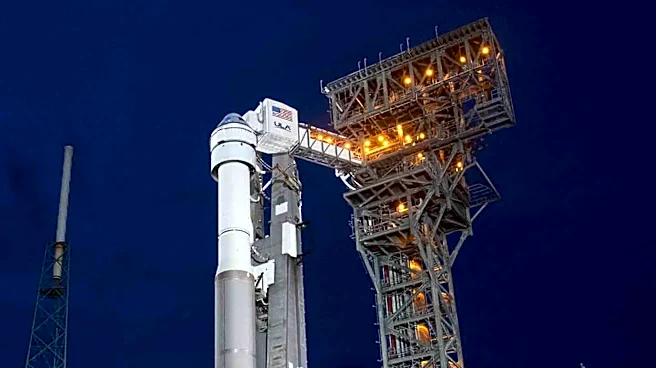
The Federal Aviation Administration (FAA) will oversee United Launch Alliance's (ULA) investigation into a launch anomaly that occurred during a mission carrying Amazon's Leo spacecraft on Sunday. ULA confirmed on Tuesday that its team initiated an investigation and
data review immediately after the incident. The FAA will be involved throughout the entire process and will be responsible for approving ULA's final report and any corrective actions proposed. According to a ULA statement, preliminary indications suggest that low booster performance shortly after launch may have caused an premature stage separation, leading to the mission's failure. While the second stage reportedly operated normally, it was unable to compensate for the issues encountered during the first stage. ULA reported losing telemetry and the mission approximately 10 minutes into flight, resulting in the destruction of all 40 internet satellites that were intended for deployment. This failed mission followed several prior launch delays.
Why It's Important?
The FAA's oversight of ULA's investigation is crucial for ensuring the safety and reliability of commercial space launches in the United States. This incident, which resulted in the loss of 40 Amazon internet satellites, represents a significant setback for both ULA and Amazon's satellite internet ambitions. The FAA's involvement provides an independent layer of scrutiny, which is vital for identifying the root cause of the anomaly and implementing effective corrective measures. A thorough investigation and transparent reporting are essential for maintaining public trust in the commercial space industry and for preventing similar failures in the future. The outcome of this investigation will directly influence ULA's return-to-flight timeline and could impact future launch contracts, particularly for critical payloads like those for Amazon's satellite constellation. The destruction of the satellites also represents a substantial financial loss and a delay in the deployment of Amazon's internet service.
What's Next?
ULA's team will continue its investigation, analyzing all available data to pinpoint the exact cause of the low booster performance and premature stage separation. The FAA will closely monitor and approve each step of this process, culminating in the approval of ULA's final report and proposed corrective actions. Until the investigation is complete and the FAA grants approval, ULA's Vulcan rocket program will likely remain grounded. The company has stated its commitment to returning to flight as safely and quickly as possible, but this will depend on the findings and the implementation of any necessary design changes or operational adjustments. The incident may also lead to a review of launch procedures and quality control processes within ULA and potentially across the broader commercial space launch sector to enhance mission success rates.
Beyond the Headlines
This launch failure underscores the inherent risks and complexities involved in space exploration and commercial satellite deployment. While the space industry is rapidly advancing, each anomaly serves as a reminder of the intricate engineering challenges and the unforgiving nature of spaceflight. For Amazon, this setback could delay its competitive entry into the satellite internet market, potentially giving an advantage to existing players. More broadly, such incidents can influence investor confidence in space ventures and prompt a re-evaluation of risk management strategies within the industry. The FAA's role in overseeing these investigations is not just about safety but also about fostering a robust and reliable commercial space ecosystem, ensuring that the U.S. remains a leader in space technology despite occasional setbacks. The incident also highlights the critical importance of booster performance in multi-stage rocket systems, where a single point of failure can lead to complete mission loss.