






What's Happening?
The average long-term U.S. mortgage rate has increased to its highest level in nearly 12 months, reaching 6.58% for a 30-year fixed-rate mortgage, according to Freddie Mac. This marks a rise from 6.55% the previous week and is part of a three-week upward
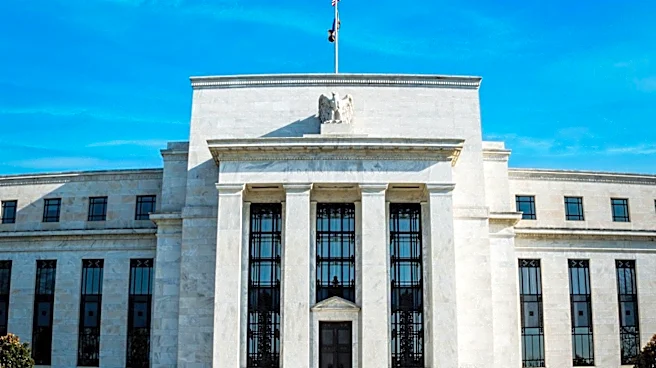
trend. The increase in mortgage rates is occurring alongside rising oil prices, which are contributing to inflationary pressures. The cost of borrowing for 15-year fixed-rate mortgages has also risen, now at 5.96%, up from 5.93% last week. These rising rates are limiting the purchasing power of homebuyers, leading to a sluggish housing market. The escalation in rates is influenced by the Federal Reserve's interest rate policies and the bond market's expectations for the economy and inflation.
Why It's Important?
The rise in mortgage rates is significant as it directly affects the affordability of homes for potential buyers, adding hundreds of dollars to monthly costs. This can deter prospective buyers, contributing to a slowdown in home sales. The housing market has been experiencing a slump since 2022, and the current trend of rising rates could exacerbate this situation. Additionally, the increase in oil prices due to geopolitical tensions in Iran is fueling inflation, which may prompt the Federal Reserve to consider further interest rate hikes. Such economic conditions could have broader implications for the U.S. economy, affecting consumer spending and overall economic growth.
What's Next?
As mortgage rates remain elevated, the housing market is expected to experience a slower summer season. Potential homebuyers may continue to face financial challenges due to high home prices and increased living costs, including rising gas prices. The Federal Reserve's future decisions on interest rates will be closely watched, as they could influence the trajectory of mortgage rates. Stakeholders in the housing market, including real estate agents and financial institutions, will need to adapt to these changing conditions and potentially adjust their strategies to accommodate the evolving economic landscape.