



What's Happening?
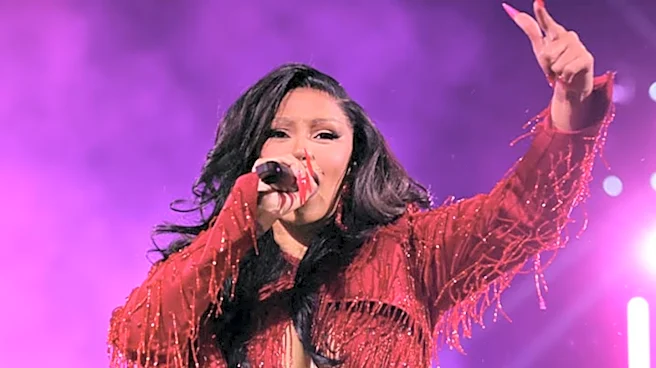
Cardi B and BZR WKND Jamaica promoter Ryan Burke are embroiled in a financial dispute concerning a $2.5 million fee for a canceled headlining performance. According to Burke, Cardi B received her full payment for the scheduled October 18 appearance and his
team is seeking its return. Conversely, Cardi B asserts that she only received approximately $900,000 of an agreed $1 million advance, which was half of her total fee. She also claims that a crucial production payment of $750,000, due by September 17, was not delivered on time and only arrived after she had already informed organizers of her withdrawal. Cardi B stated she returned this late payment due to insufficient time to arrange necessary equipment, flights, and accommodation. Her representatives maintain that the organizers failed to meet contractual payment obligations, constituting a material breach of their agreement. The promoter, however, insists that all agreed-upon payments were made in full directly to Cardi B and that she failed to fulfill promotional duties.
Why It's Important?
This dispute highlights the significant financial risks and contractual complexities inherent in large-scale music events, particularly when international artists are involved. For artists like Cardi B, such disagreements can impact their professional reputation and future booking opportunities, especially if legal battles ensue. For promoters like BZR WKND, unresolved financial disputes and canceled headliners can lead to substantial monetary losses, damage to brand credibility, and potential legal action from ticket holders seeking refunds. The situation also draws attention to the importance of clear, meticulously detailed contracts and timely financial transactions in the entertainment industry. The involvement of the Jamaican government, albeit indirectly through Cardi B's initial suggestion of public funding, underscores how such private commercial disputes can inadvertently touch upon public perception and governmental transparency, even if officials deny any financial involvement.
What's Next?
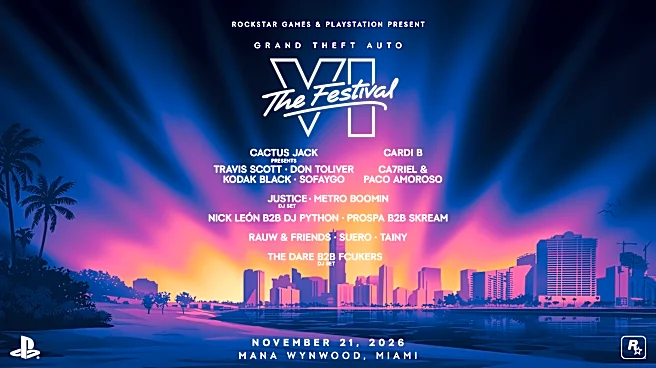
Both Cardi B and BZR WKND promoter Ryan Burke are threatening legal action to resolve the dispute. Cardi B has publicly dared Burke to sue her, indicating her readiness for a courtroom battle and even suggesting a potential defamation countersuit. The promoter has stated they have retained legal counsel and intend to pursue Cardi B for the alleged $2.5 million fee and other losses. For ticket holders, the situation remains uncertain regarding the rescheduled December concert and the processing of refunds. The promoter has acknowledged delays in refund processing due to volume but has stated patrons will be reimbursed. The ultimate resolution will likely depend on the examination of contractual documents and financial records in a legal setting, which could be a protracted process. Meanwhile, Cardi B is scheduled to perform at the GTA 6: The Festival in Miami on November 21 and will receive Billboard Canada’s first Global Woman of the Year award in Toronto on November 24.
Beyond the Headlines
This incident delves into the broader implications of contractual integrity and accountability within the global entertainment industry. The differing accounts of payment and fulfillment of obligations raise questions about standard practices for securing high-profile talent and managing large-scale event logistics. The dispute also touches upon the ethical responsibilities of both artists and promoters to their audiences, particularly concerning transparency around cancellations and refunds. The public nature of the disagreement, amplified by social media interactions, underscores how quickly such issues can escalate and impact public perception, regardless of the legal outcome. Furthermore, the suggestion of government involvement, even if denied, highlights the sensitivity surrounding public funds and private ventures, especially in regions recovering from natural disasters like Hurricane Melissa, where public spending priorities are under scrutiny.