






What's Happening?
A new generation of female heirs in Hong Kong is redefining traditional business dynasties by choosing to start their own ventures rather than directly taking over family businesses. Bebemona Yim, for example, opted to establish her own health and wellness
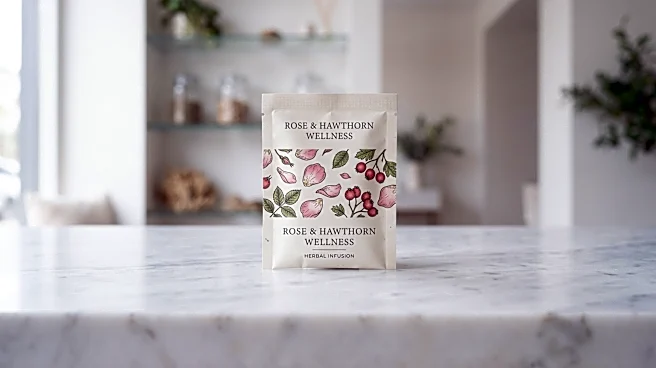
brands, Gui Ling Yuan Fang and Glowe, instead of joining her family's herbal tea business, Kung Wo Tong. Her best-selling product, a sachet of red dates, roselle, rose, and hawthorn mixed with collagen, represents a modern departure from traditional offerings. This trend is part of a broader shift where daughters are stepping up to modernize Hong Kong's storied businesses, challenging conventional succession norms. While private wealth in Asia is projected to reach US$99 trillion by 2029, a 2025 Sun Life survey indicated that only 27% of Hong Kong family-business owners had fully developed succession plans, highlighting a gap in preparing heirs for leadership roles.
Why It's Important?
This phenomenon is important because it signifies a significant evolution in the landscape of family businesses, particularly in a major financial hub like Hong Kong. It challenges the traditional expectation that heirs, especially female heirs, will automatically assume leadership roles in established family enterprises. Instead, these women are demonstrating an entrepreneurial spirit, leveraging their family's legacy and resources to forge new paths and create innovative businesses. This shift can lead to economic diversification and the creation of new industries, contributing to overall economic growth. It also highlights a changing mindset among younger generations, who may prioritize personal meaning and innovation over simply inheriting status. The success of these independent ventures could inspire more heirs to pursue their own entrepreneurial ambitions, potentially leading to a more dynamic and diverse business environment.
What's Next?
The trend of female heirs launching independent ventures is likely to continue, potentially influencing succession planning strategies within Hong Kong's family businesses. As more daughters redefine their roles, family businesses may need to adapt their succession plans to accommodate these evolving aspirations. This could involve creating more flexible structures that allow heirs to pursue external ventures while still maintaining a connection to the family enterprise, or developing mentorship programs that support entrepreneurial endeavors. The success of figures like Sonia Cheng, who expanded Rosewood Hotel Group significantly, and Pansy Ho, who is a group executive chairman of Shun Tak Holdings, demonstrates that female leadership can drive substantial growth and modernization. This could encourage more family businesses to actively prepare and empower female heirs for leadership, whether within the existing business or in new ventures.
Beyond the Headlines
Beyond the immediate business implications, this trend reflects a deeper societal shift regarding gender roles and expectations within affluent families. It challenges the patriarchal structures often inherent in traditional business dynasties, empowering women to define their own success and legacy. This movement can foster greater gender equality in the business world, demonstrating that leadership and innovation are not confined to traditional pathways. It also underscores the importance of individual agency and purpose, suggesting that for many, true fulfillment comes from creating something new rather than simply maintaining the old. This cultural evolution could lead to a re-evaluation of what constitutes a 'successful' heir, moving beyond mere inheritance to embrace entrepreneurial spirit and personal contribution.