






What's Happening?
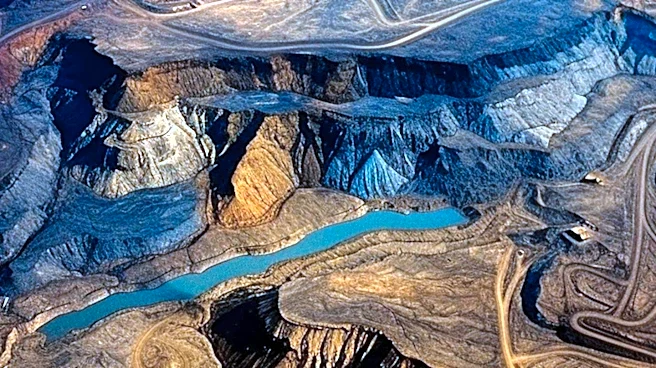
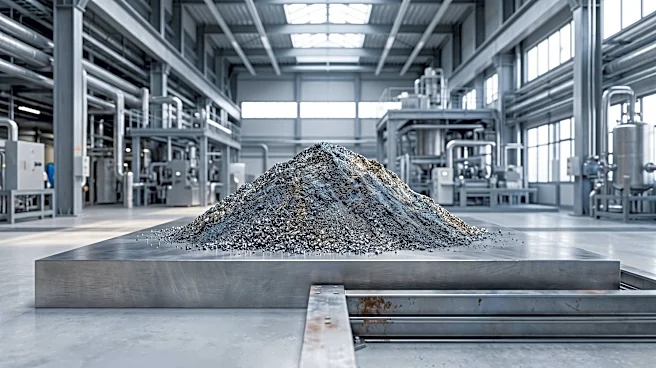
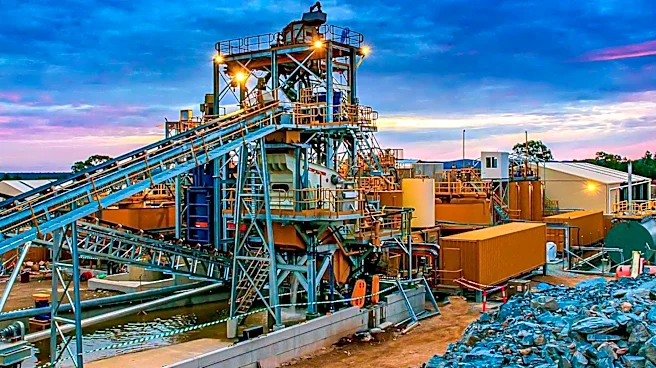
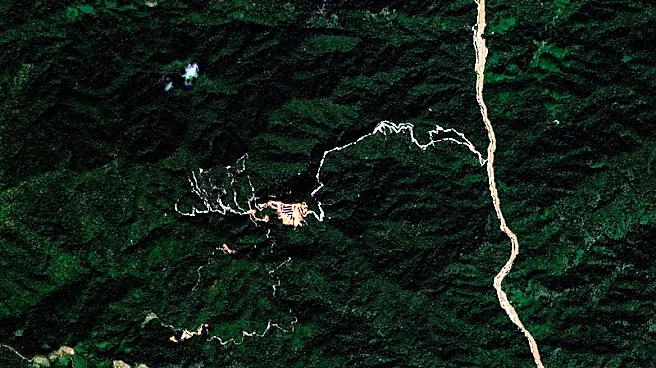
USA Rare Earth (Nasdaq: USAR) has commenced shipping mixed rare earth carbonate from its Pela Ema operation in Brazil to a Pentagon-backed buyer, US SIIE LLC. This marks the beginning of a 15-year supply agreement that includes guaranteed minimum prices
for the rare earth materials. Commercial-scale shipments began in October, with payments starting in November. The buyer, US SIIE LLC, is a special purpose company supported by U.S. government and private capital, and its take-or-pay contract mandates the purchase of all output from Serra Verde’s initial development. This initiative aims to bolster efforts in establishing a rare earth supply chain independent of China, crucial for magnets used in electric vehicles, wind turbines, and defense equipment. The Pentagon contributed $750 million to capitalize the buyer. USA Rare Earth acquired Serra Verde in September, and the Pela Ema operation has restarted commercial production following the completion of an optimization and expansion program. The company targets an annual production rate of 4,000 tonnes of contained rare earth oxides by the second quarter of 2027, with a further increase to 6,400 tonnes by year-end 2027 after a second optimization stage.
Why It's Important?
This development is critical for U.S. national security and economic independence, as it directly addresses the nation's reliance on China for rare earth elements. Rare earths are indispensable components in advanced technologies, including defense systems, renewable energy infrastructure, and electric vehicles. By securing a long-term supply agreement from Brazil, the U.S. is actively diversifying its rare earth sources and mitigating potential supply chain vulnerabilities. The guaranteed minimum prices in the contract provide stability for USA Rare Earth and incentivize further investment in non-Chinese rare earth production. This strategic move supports the broader U.S. objective of building a resilient domestic and allied rare earth supply chain, reducing geopolitical risks associated with concentrated supply from a single dominant producer. The Pentagon's substantial financial backing underscores the strategic importance of this initiative, highlighting the critical need for secure access to these materials for military applications and technological advancement.
What's Next?
USA Rare Earth plans to continue ramping up production at its Pela Ema operation, with a second optimization stage scheduled for commissioning in the third quarter of 2027, aiming to increase the annual production rate to 6,400 tonnes by year-end. The company is also evaluating further expansion to potentially double the volume of ore mined from the same deposit. The success of this long-term contract will likely influence future U.S. government and private sector investments in diversifying critical mineral supply chains. Stakeholders, including U.S. government agencies, defense contractors, and manufacturers of electric vehicles and wind turbines, will closely monitor the consistent delivery and quality of these rare earth materials. This initiative could serve as a model for future partnerships aimed at securing other critical resources, potentially leading to more robust and diversified global supply networks for essential minerals.
Beyond the Headlines
The establishment of this rare earth supply chain outside China carries significant geopolitical implications. It represents a tangible step towards decoupling critical mineral dependencies from a single nation, which has long held a near-monopoly on rare earth processing. This move could encourage other nations to pursue similar diversification strategies, potentially leading to a more fragmented but resilient global rare earth market. Ethically, it promotes responsible sourcing and potentially higher environmental and labor standards compared to some existing supply chains. Economically, it fosters the development of new industries and job creation in allied countries, strengthening economic ties and reducing the leverage of any single supplier. The long-term shift could redefine global trade dynamics for critical minerals, emphasizing security of supply and strategic alliances over purely cost-driven procurement.