



What's Happening?
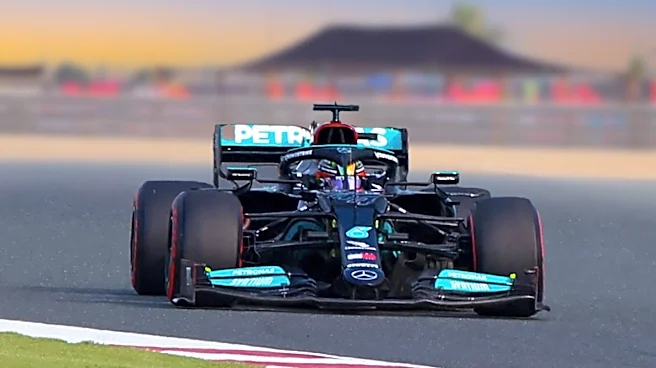
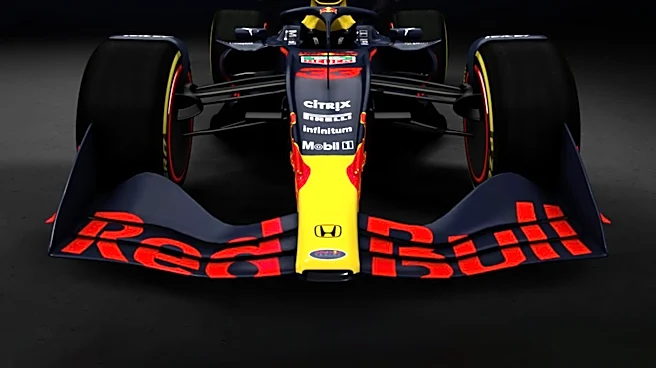
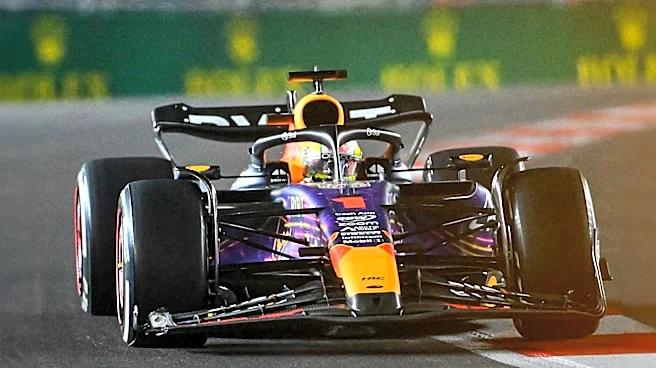
The Red Bull-Ford engine is once again in contention to be recognized as the best in the ongoing Formula 1 season, according to the ADUO program's second assessment. During the Monaco race weekend, five engine suppliers, including Mercedes, Ferrari, Red Bull-Ford,
Audi, and Honda, received preliminary evaluations from the FIA. These assessments focus on the internal combustion engine's performance, with Red Bull-Ford's engine showing strong results. However, the battery component of the Red Bull-Ford power unit is considered a weak point. The FIA's evaluations are crucial as they determine which manufacturers can receive additional investments and updates to improve their engines.
Why It's Important?
The recognition of the Red Bull-Ford engine as a top performer underscores the competitive edge that Red Bull Racing holds in the Formula 1 landscape. This acknowledgment not only boosts the team's reputation but also enhances its strategic position in negotiations with sponsors and partners. The performance of the engine is a critical factor in race outcomes, influencing team standings and driver success. As the FIA continues to refine its evaluation criteria, the focus on engine performance could drive technological advancements and innovation within the sport, impacting the competitive dynamics among teams.
What's Next?
The results of the FIA's assessments are expected before the Dutch Grand Prix, which will provide teams with insights into their engine's standing. Red Bull Racing must prepare for potential adjustments based on these evaluations. The ongoing discussions about the evaluation methodology, particularly regarding battery performance, may lead to changes in the ADUO program's criteria. This could affect how teams allocate resources and prioritize developments in their power units.
Beyond the Headlines
The focus on engine performance highlights the broader technological race within Formula 1, where advancements in power unit efficiency and reliability are paramount. The ongoing evaluation process may prompt teams to innovate in areas beyond traditional engine components, such as energy recovery systems and hybrid technology. This shift could have long-term implications for the sport's sustainability and its role as a testing ground for automotive innovations.