




What's Happening?
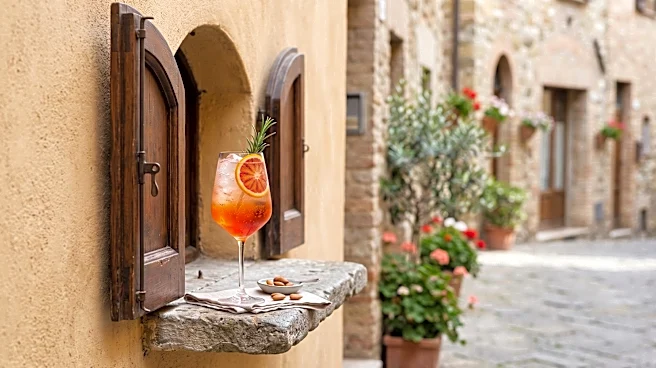
David Matz, a gastronomer in Fulda, Germany, is introducing a 'wine window' concept at his new establishment, 'Davino,' located in Karlstraße. This initiative allows customers to order drinks directly through a small hatch, even before the official opening
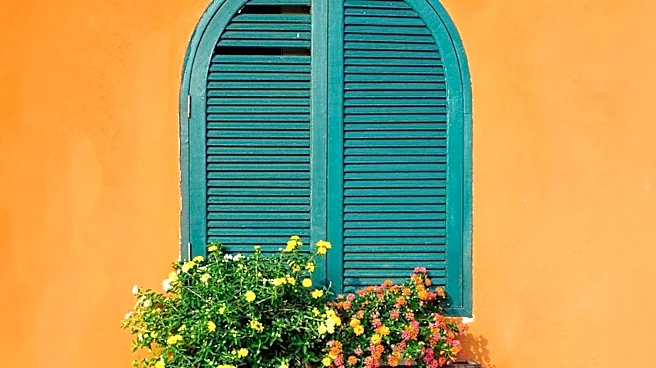
of the restaurant. The idea is inspired by traditional Italian wine windows, particularly those found in Florence, which historically served as a way to sell food and beverages without direct contact during the plague. Similar windows were also used in Southern Italian monasteries for selling goods. The concept experienced a resurgence during the COVID-19 pandemic, with wine shops and other businesses utilizing these small windows for outdoor sales. Matz, who is half Sicilian, aims to bring a piece of Italian lifestyle, or 'La Dolce Vita,' to Fulda, emphasizing the importance of taking small breaks for enjoyment.
Why It's Important?
While this specific development is occurring in Germany, the re-emergence and adaptation of historical retail concepts like the 'wine window' could offer insights for U.S. businesses, particularly in the hospitality sector. The COVID-19 pandemic significantly impacted how businesses interact with customers, accelerating trends towards contactless service and outdoor dining. Matz's venture highlights a creative approach to customer engagement and service delivery that prioritizes convenience and a unique experience. If successful, such models could inspire similar innovations in the U.S., especially in urban areas looking to revitalize public spaces and offer novel consumer experiences. It also underscores a broader cultural shift towards valuing small, accessible moments of leisure, which could influence consumer behavior and business strategies in the U.S. market, particularly in post-pandemic recovery efforts.
What's Next?
The 'wine window' in Fulda is initially being launched as an experiment, with planned operating hours on Friday evenings starting at 4 PM and Saturdays from 12 PM. Matz will observe its reception to determine if it will be utilized regularly in the future. The offering includes both alcoholic and non-alcoholic beverages, focusing on providing a casual opportunity for people to pause, socialize, or simply observe their surroundings. If the concept proves popular, it could lead to more consistent operating hours and potentially inspire other businesses in Fulda and beyond to adopt similar models. Matz humorously noted that if the idea doesn't take off, the window could eventually be converted into a door or used for ventilation if another pandemic were to occur, indicating a flexible approach to the venture.
Beyond the Headlines
The reintroduction of the 'wine window' concept by David Matz in Fulda taps into a deeper cultural yearning for 'La Dolce Vita' – the sweet life – and 'La Dolce Far Niente' – the sweet idleness. This initiative goes beyond mere commerce; it's an attempt to re-instill a sense of unhurried enjoyment and social interaction that Matz believes has diminished since the pandemic. In a world increasingly driven by efficiency and digital interactions, the physical, low-tech nature of a wine window offers a refreshing counterpoint. It encourages spontaneous, brief moments of connection and relaxation, fostering a sense of community and presence. This cultural emphasis on slowing down and appreciating simple pleasures could resonate globally, including in the U.S., where there's a growing interest in mindfulness and work-life balance. The success of such a concept could signal a broader societal shift towards valuing experiential consumption and community-centric spaces over purely transactional ones.