





What's Happening?
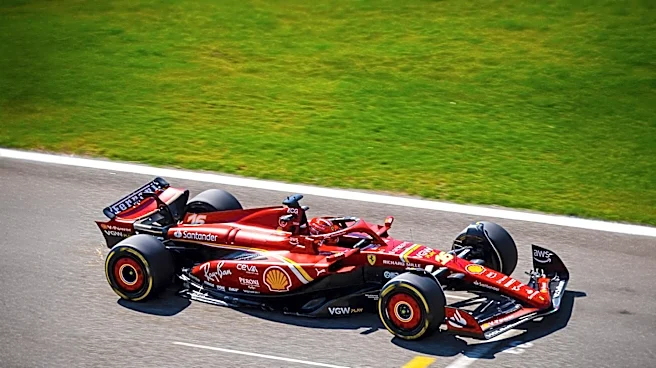
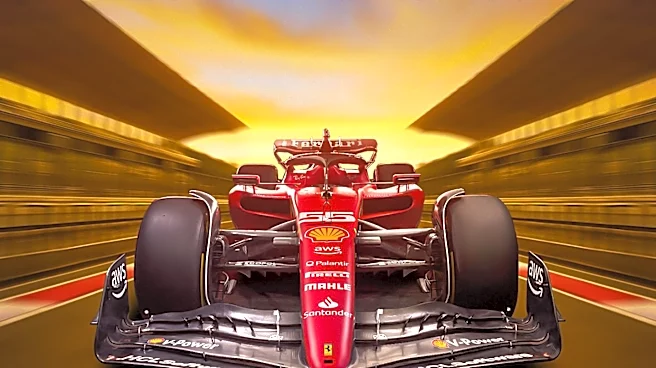
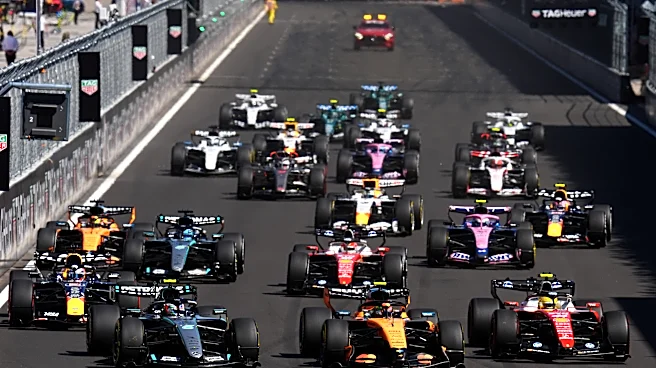
Ferrari has confirmed a new multi-year partnership with Japanese technology company Rakuten, set to commence on January 1, 2027, for the Formula 1 season. This collaboration marks Rakuten's first entry into Formula 1 sponsorship. The agreement aims to leverage
the global platform of Formula 1 to foster new business connections, showcase technological capabilities, and explore cross-industry innovation across Rakuten's extensive ecosystem, which includes e-commerce and Rakuten Symphony. According to Lorenzo Giorgetti, Ferrari's chief racing revenue officer, the partnership brings together two global brands with shared values in innovation, technology, and excellence. Mickey Mikitani, chairman and CEO of the Rakuten Group, emphasized that the partnership provides a dynamic global stage to bring Rakuten's technology, digital ecosystem, and unique membership experiences to millions of Ferrari and Formula 1 fans worldwide. This deal follows Ferrari's recent diversification of its sponsorship portfolio, including partnerships with SkinCeuticals and wearable technology provider Whoop.
Why It's Important?
This partnership is significant for both Ferrari and Rakuten, particularly within the U.S. market, as it expands their global brand presence and technological integration. For Ferrari, securing a major technology partner like Rakuten enhances its financial stability and allows for further investment in racing innovation, which can translate to improved performance and fan engagement in a key market like the U.S. Rakuten, by entering Formula 1, gains a high-profile platform to showcase its technological capabilities and digital ecosystem to a vast and passionate American audience, potentially driving new business opportunities and customer acquisition in the U.S. The collaboration's focus on exploring opportunities beyond the racetrack, such as e-commerce and Rakuten Symphony, suggests a strategic move to integrate technology into the fan experience and broader commercial ventures. This could set a precedent for future sports sponsorships, emphasizing technological synergy and ecosystem integration over traditional branding, impacting how U.S. sports teams and brands approach partnerships.
What's Next?
The partnership will officially begin on January 1, 2027, leading up to the Formula 1 season. Over the next few years, both Ferrari and Rakuten are expected to develop and announce specific initiatives that will leverage Rakuten's technology and digital ecosystem within the Formula 1 context and beyond. This could include enhanced digital fan experiences, e-commerce integrations, or technological collaborations aimed at improving team performance or operational efficiency. The success of this partnership could influence other major sports franchises and technology companies in the U.S. to explore similar comprehensive collaborations. Additionally, the integration of Rakuten's services into Ferrari's operations or fan engagement strategies will be closely watched as a model for future sports-tech partnerships. The companies will likely focus on maximizing the global reach of Formula 1 to expand their respective market shares and brand recognition, particularly in technologically advanced markets like the U.S.
Beyond the Headlines
This partnership signifies a broader trend in sports sponsorships, moving beyond simple logo placement to deeper technological and ecosystem integrations. For the U.S. sports industry, this could mean a shift towards more complex, value-driven partnerships where technology companies play a crucial role in enhancing fan engagement, operational efficiency, and commercial growth. The emphasis on 'cross-industry innovation' suggests that the collaboration could lead to new business models or services that blend sports, technology, and e-commerce, potentially influencing consumer behavior and digital consumption patterns in the U.S. It also highlights the increasing importance of data and digital platforms in modern sports, as brands seek to create more immersive and interactive experiences for their global fan bases. This strategic alliance could serve as a blueprint for how traditional sports brands can evolve by embracing digital transformation and leveraging the expertise of technology giants.