






What's Happening?
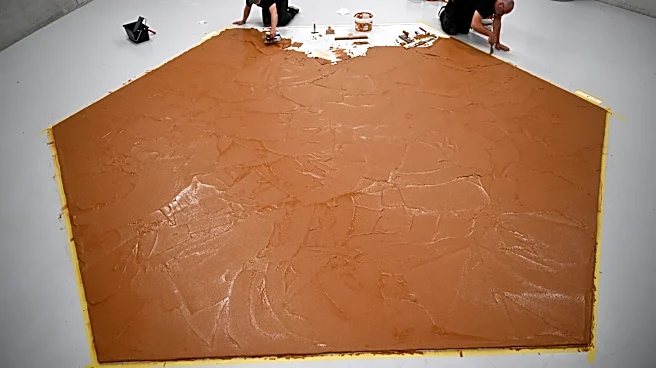
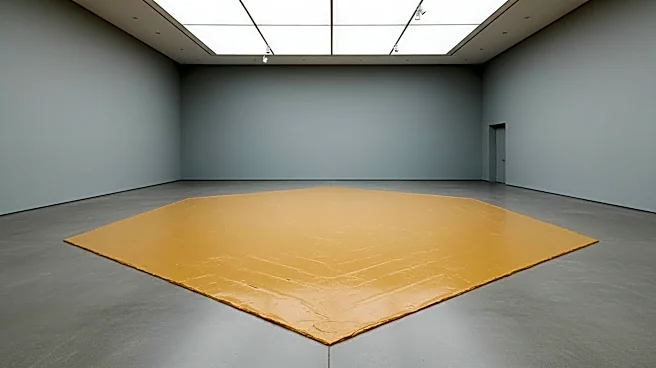
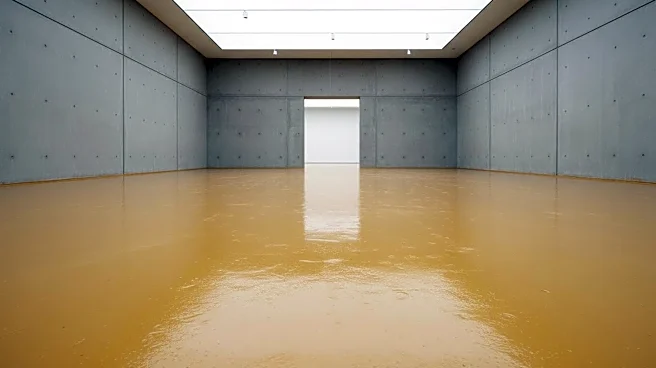
A museum in Rotterdam has recreated a unique art installation by the late Dutch artist Wim T Schippers, covering a gallery floor with 800 pounds of peanut butter. This installation, known as Pindakaasvloer (Peanut Butter Floor), was originally conceived
in 1962 and first exhibited in 1969. The museum followed detailed instructions left by Schippers, who passed away last month at the age of 83, to ensure the peanut butter was spread smoothly and monotonously. The installation is intended to provoke questions about the nature of art and is part of a tribute to Schippers' influential and idiosyncratic career. Schippers was known for his dadaist approach and use of food in art, as well as his work in television and as a voice actor for the Dutch version of Sesame Street.
Why It's Important?
The installation highlights the enduring impact of Schippers' work on contemporary art and culture. By challenging traditional notions of art, Schippers' creations continue to inspire debate and reflection on what constitutes art. The museum's decision to honor him with this installation underscores his influence in the art world, particularly in the Netherlands. It also reflects a broader trend in the art community to celebrate unconventional and provocative works that push boundaries and engage audiences in new ways. This tribute not only preserves Schippers' legacy but also invites a new generation to explore and question the limits of artistic expression.
What's Next?
The Peanut Butter Floor installation will be on display until early September, allowing visitors to experience and engage with Schippers' work. The museum plans to offer peanut butter sandwiches in its café, further integrating the theme of the installation into the visitor experience. This exhibition may inspire other museums to explore similar tributes to artists who have challenged conventional art forms. Additionally, the museum's approach could influence future exhibitions that aim to provoke thought and discussion about the nature of art and its role in society.