



What's Happening?
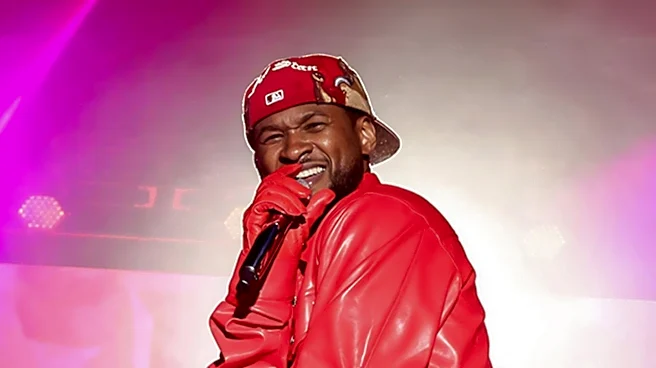
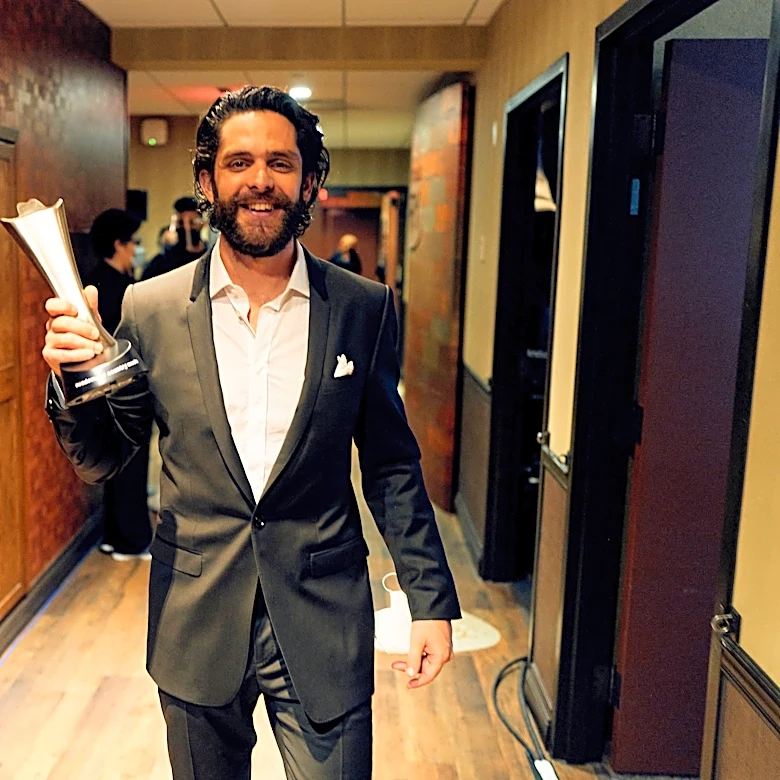
Earl 'Punch' Wright, a professional dancer and choreographer, was among seven contributors honored with a 2002 American Choreography Award for his work on Usher’s music video for 'U Don’t Have to Call.' The award ceremony took place at the Orpheum Theatre
in Los Angeles. Wright's career spans music-video choreography, concert touring, and feature films, including 'Save the Last Dance,' 'The Hot Chick,' 'Honey,' 'Dreamgirls,' and 'How She Move.' His contributions highlight the collaborative nature of creating iconic dance performances in the entertainment industry. Dance Mogul Magazine featured Wright on its June 2014 cover, emphasizing the importance of recognizing the individuals who shape the visual identity of recording artists and contribute to dance history.
Why It's Important?
The recognition of choreographers like Earl 'Punch' Wright underscores the significant, often overlooked, role of dancers and choreographers in shaping popular culture and the visual identity of musical artists. This award highlights how collaborative choreography defines the aesthetic and impact of music videos, influencing how audiences experience and remember music. For the dance industry, such accolades validate the creative contributions of dancers, offering career possibilities beyond performing to include choreography and artistic direction. It also brings attention to the need for better documentation and preservation of dance history, ensuring that the creators behind iconic movements receive due credit and that future generations of dancers can learn from their predecessors' work.
What's Next?
The ongoing effort to document and preserve the contributions of professional dancers, as exemplified by projects like Christopher 'Play' Martin’s documentary 'And iDanced,' suggests a growing trend towards recognizing the historical significance of dance creators. This movement aims to ensure that the legacies of choreographers like Earl 'Punch' Wright are not lost but are instead integrated into the broader cultural narrative. Future initiatives may include more comprehensive archives, educational programs, and media coverage dedicated to the art of dance and its practitioners. This increased focus could lead to greater opportunities and recognition for choreographers and dancers within the entertainment industry, fostering a more inclusive understanding of artistic creation.
Beyond the Headlines
The story of Earl 'Punch' Wright and the American Choreography Awards touches upon deeper implications regarding authorship and recognition within the arts. While recording artists often receive the primary spotlight, the creative teams, particularly choreographers and dancers, play a crucial role in translating musical concepts into visual spectacles. This raises ethical questions about equitable credit and compensation for all creative contributors. Culturally, it challenges the perception that dance is merely a supportive element, elevating it to a central art form that requires immense skill, creativity, and collaboration. Legally, it could prompt discussions about intellectual property rights for choreographic works, ensuring that the movement itself is protected and attributed to its creators, thereby enriching the historical record of dance.