


What's Happening?
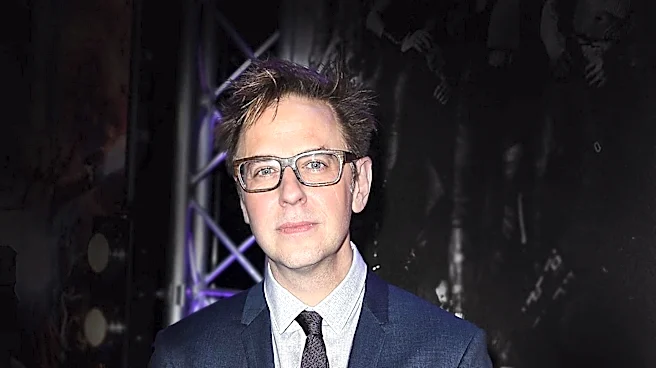
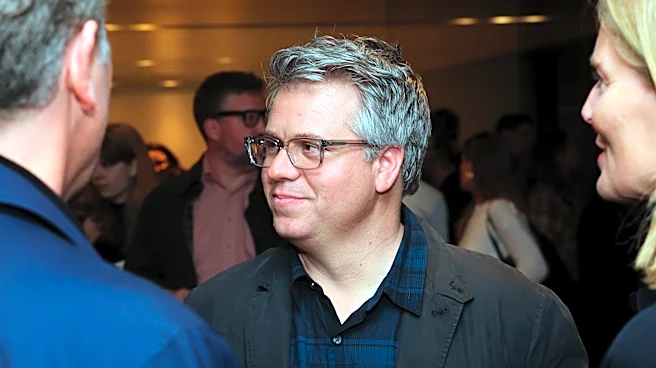
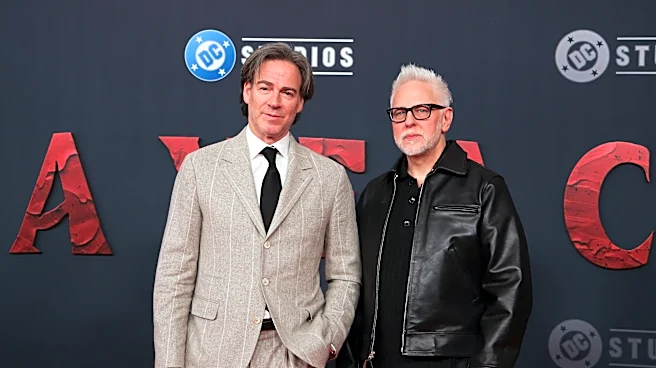
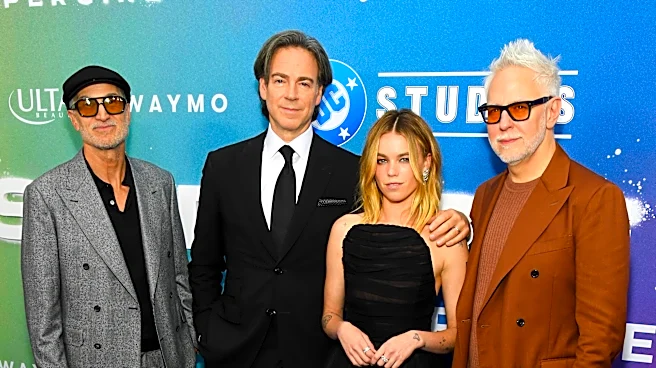
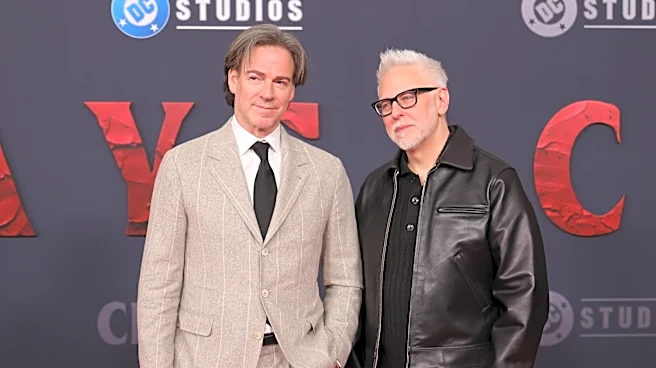
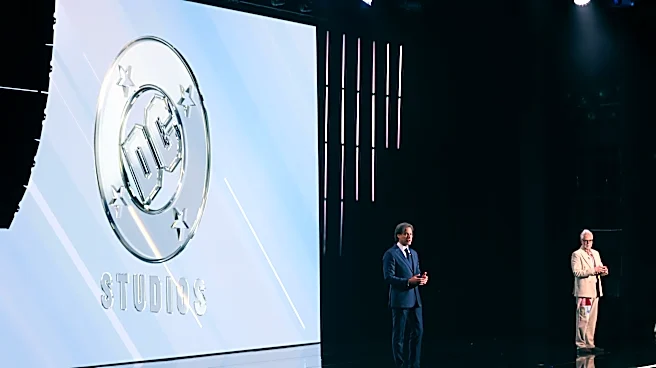
James Gunn and Peter Safran have been replaced as the heads of DC Studios by former Marvel Studios executive Jeremy Latcham. This leadership change occurred shortly after David Ellison’s Skydance completed its $111 billion acquisition of Warner Bros.
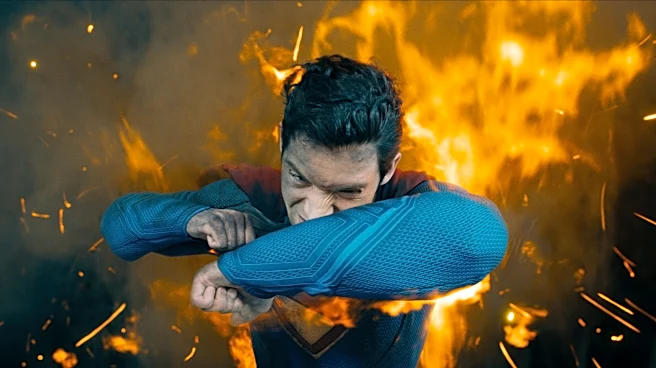
Discovery. Latcham will assume the role of president and chief creative officer of DC Studios. Gunn and Safran, who had been in their roles for four years, will no longer oversee the direction of DC Studios, though Gunn will continue with individual creative projects, including writing and directing 'Man of Tomorrow.' The announcement follows a period of mixed commercial results for DC Studios under Gunn and Safran, with films like 'Superman' achieving modest success and 'Supergirl' performing poorly at the box office.
Why It's Important?
This leadership shake-up is highly significant for the future of DC Studios and its cinematic universe. The appointment of Jeremy Latcham, a veteran from Marvel Studios with extensive experience in developing interconnected superhero franchises, signals a potential shift in strategy for DC. Latcham's background, including his work on early Marvel Cinematic Universe films like 'Iron Man' and 'The Avengers,' suggests Skydance aims to replicate Marvel's success in building a cohesive and profitable superhero franchise. The change also reflects Skydance's immediate impact on Warner Bros. Discovery's operations post-acquisition, indicating a proactive approach to revitalizing key intellectual properties. This move could lead to a re-evaluation of existing projects and a new creative direction for DC's film, television, and animation divisions, impacting numerous stakeholders from creators to fans and investors.
What's Next?
Jeremy Latcham will now oversee all film, television, and animation divisions at DC Studios, including production, creative development, talent relationships, and long-term franchise strategy. He will report to Dana Goldberg and Josh Greenstein, co-chairs of Skydance Motion Picture Group. While the existing DC slate, including Gunn's 'Man of Tomorrow' and Matt Reeves' 'The Batman: Part II,' remains intact for now, Latcham's appointment creates an opportunity for Skydance to reassess priorities, particularly for projects not yet in active development. The company's emphasis on Latcham's 'deep reverence for DC and its passionate fanbase' suggests a potential shift towards productions that resonate more strongly with long-time fans, possibly addressing past criticisms regarding creative direction and character interpretations.
Beyond the Headlines
The transition at DC Studios highlights the ongoing challenges in establishing a consistently successful cinematic universe outside of Marvel's dominant model. The mixed commercial performance under Gunn and Safran underscores the difficulty of translating popular comic book characters into profitable and critically acclaimed film and television franchises. Latcham's move from Marvel to DC also symbolizes the competitive nature of the superhero genre and the continuous effort by studios to attract top talent and strategic vision. This development could lead to a renewed focus on fan engagement and a more unified creative vision, potentially setting a new precedent for how major intellectual properties are managed and developed in the entertainment industry. The ethical implications of frequent leadership changes and their impact on creative teams and long-term project stability will also be a point of discussion.